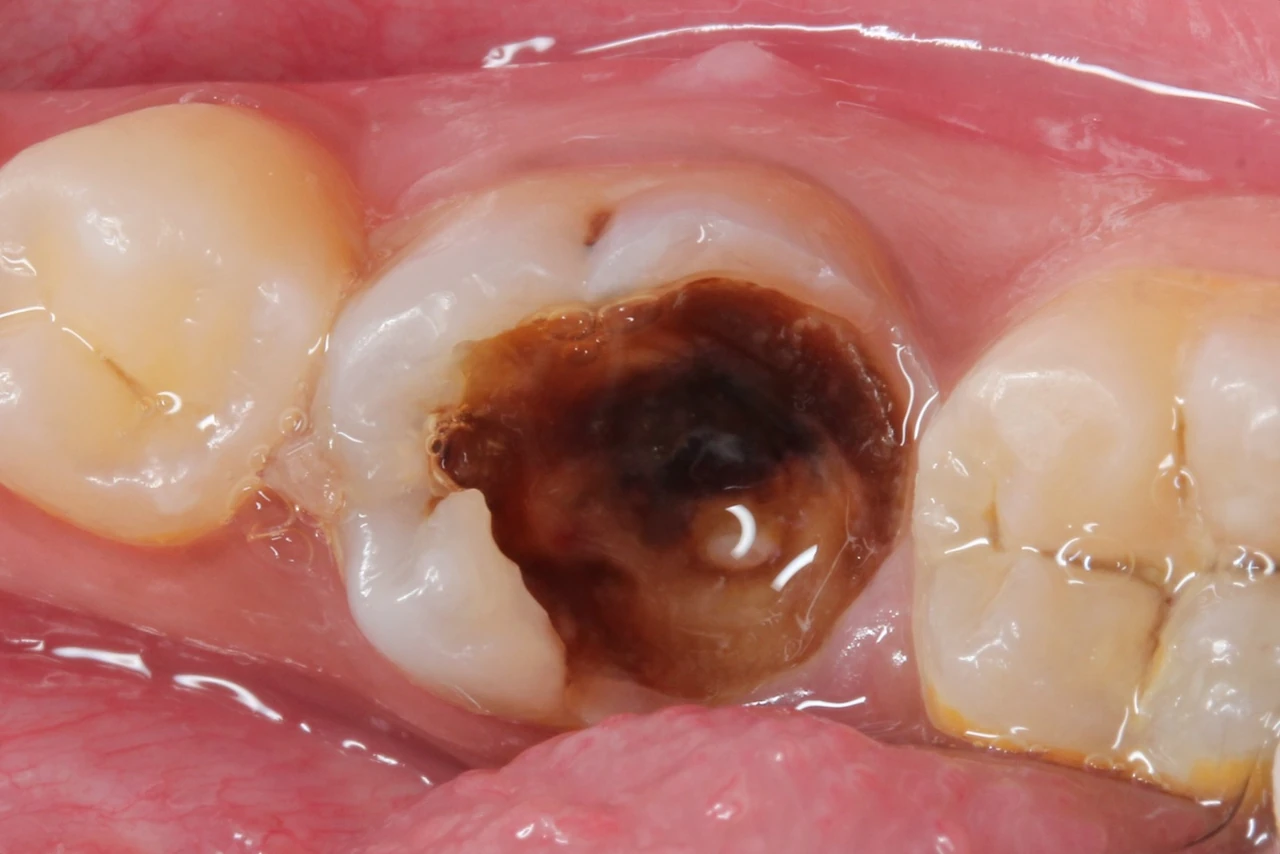
A close view of a molar with a large dark decayed cavity that has destroyed most of its biting surface

Restorative Dentistry & Root Canal Treatment

Information and care with Dr. Ahmed Fathy in Helwan, Cairo.

Dr. Ahmed Fathy Helwan, Cairo, Egypt

Restorative dentistry

Decay is damage to part of the tooth, influenced by factors such as oral hygiene, frequent sugars and a dry mouth. The earlier a tooth is examined, the less likely a larger treatment is needed. In treatment we remove the decay completely and follow a set protocol to close the space with a tooth-coloured (light-cured) filling, so food no longer packs into it and the patient can chew on it. The type of filling material varies from case to case, and the dentist chooses the suitable one.

Educational visuals: restorative dentistry
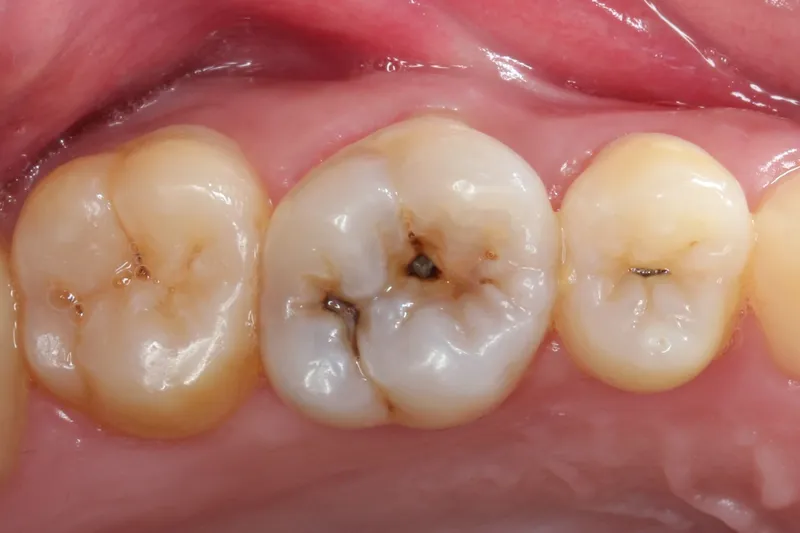
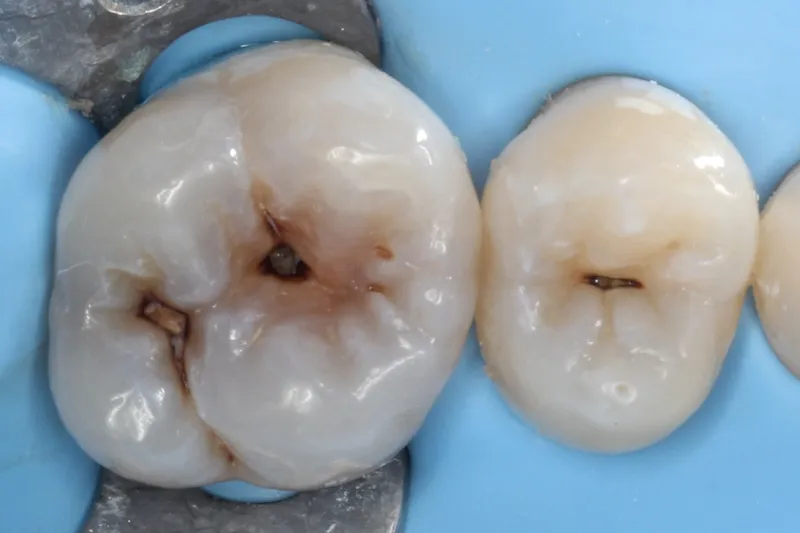
  • Photograph of the biting surfaces of a molar and two neighbouring teeth, showing dark grooves.
  • Under a rubber dam: a molar and a premolar with stained grooves on their biting surfaces.
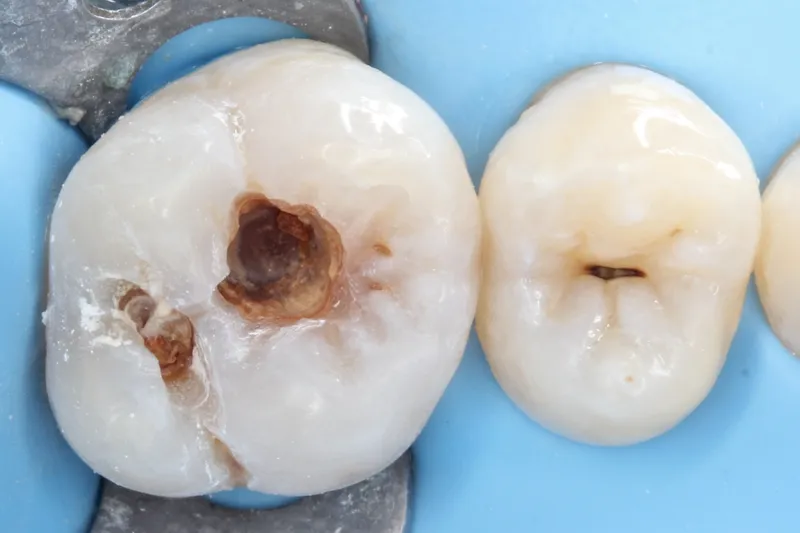
  • Under a rubber dam: a cavity opening in the molar and a groove in the neighbouring premolar.
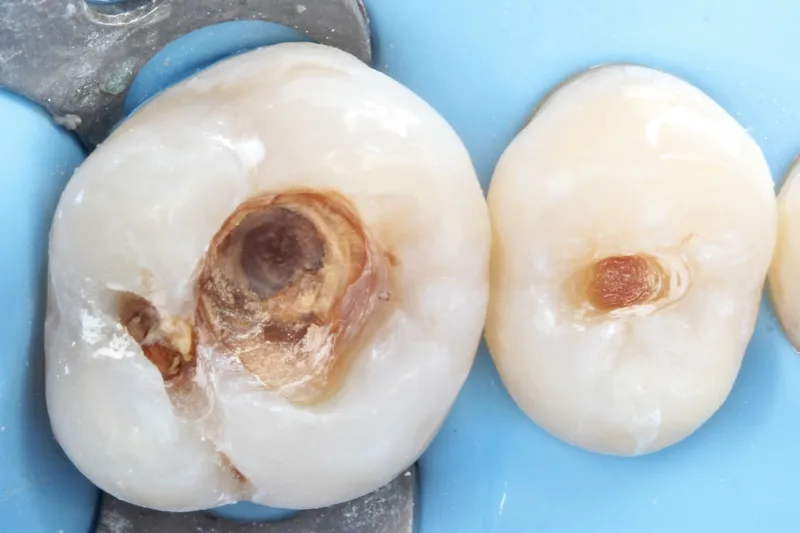
  • Under a rubber dam: a molar with a brown ringed cavity and a pit in the neighbouring premolar.
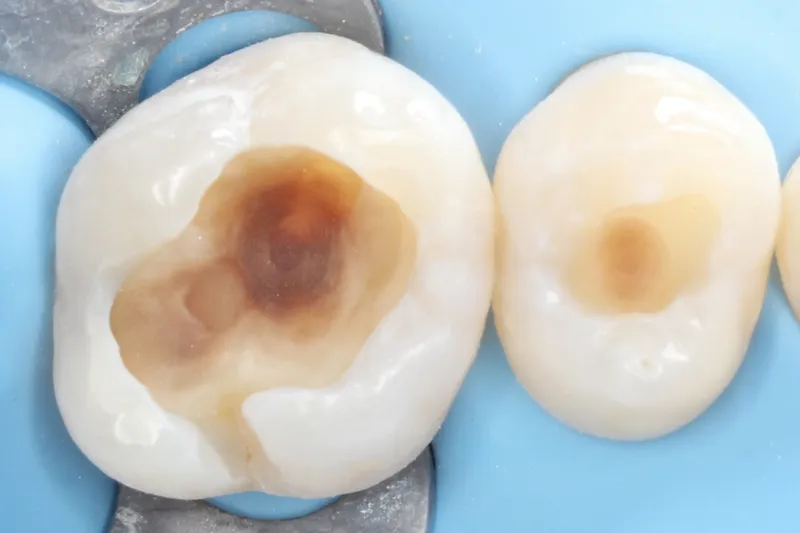
  • Under a rubber dam: a large brown cavity in the molar and a cavity in the neighbouring premolar.
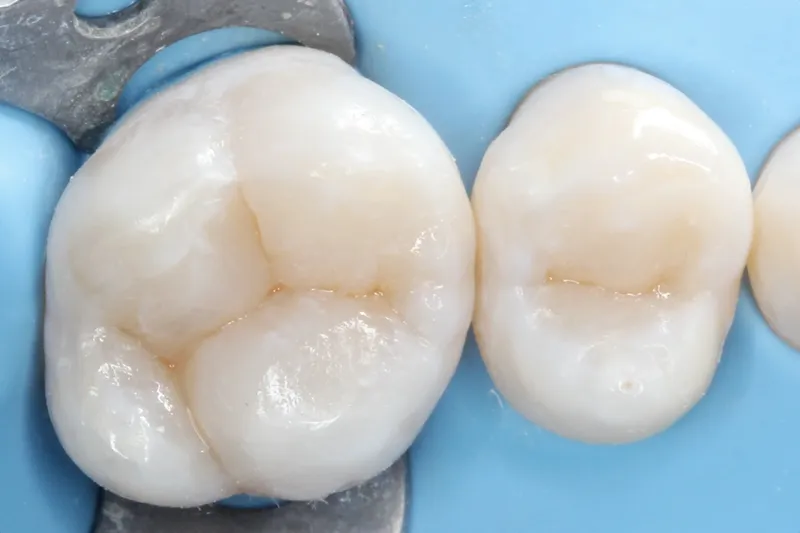
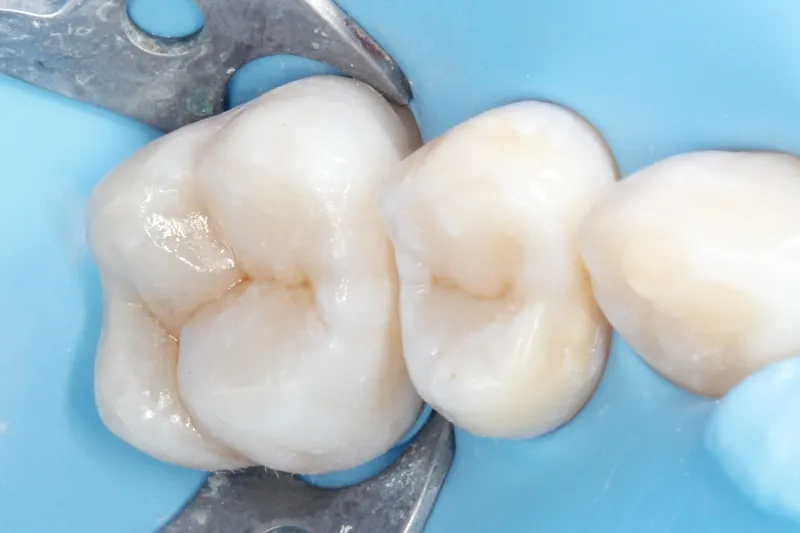
  • Under a rubber dam: the molar and premolar after the cavities have been restored.
  • Under a rubber dam: the molar and premolar restored, seen from a slightly different angle.
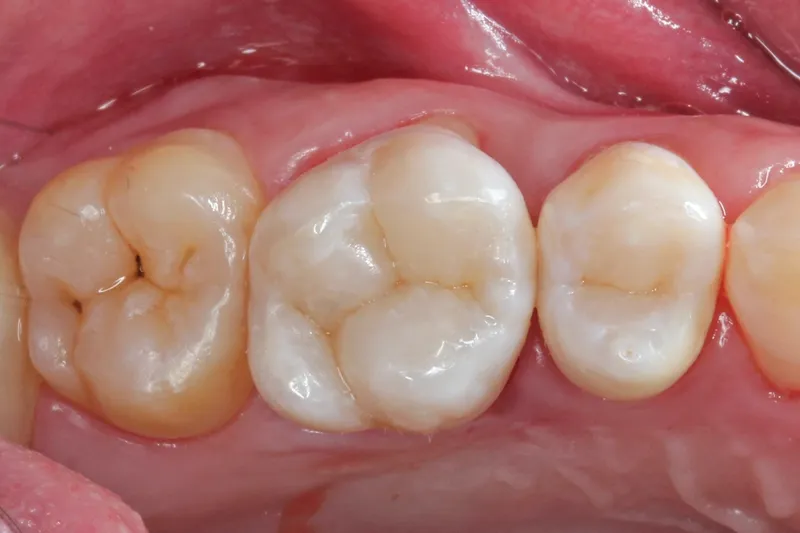
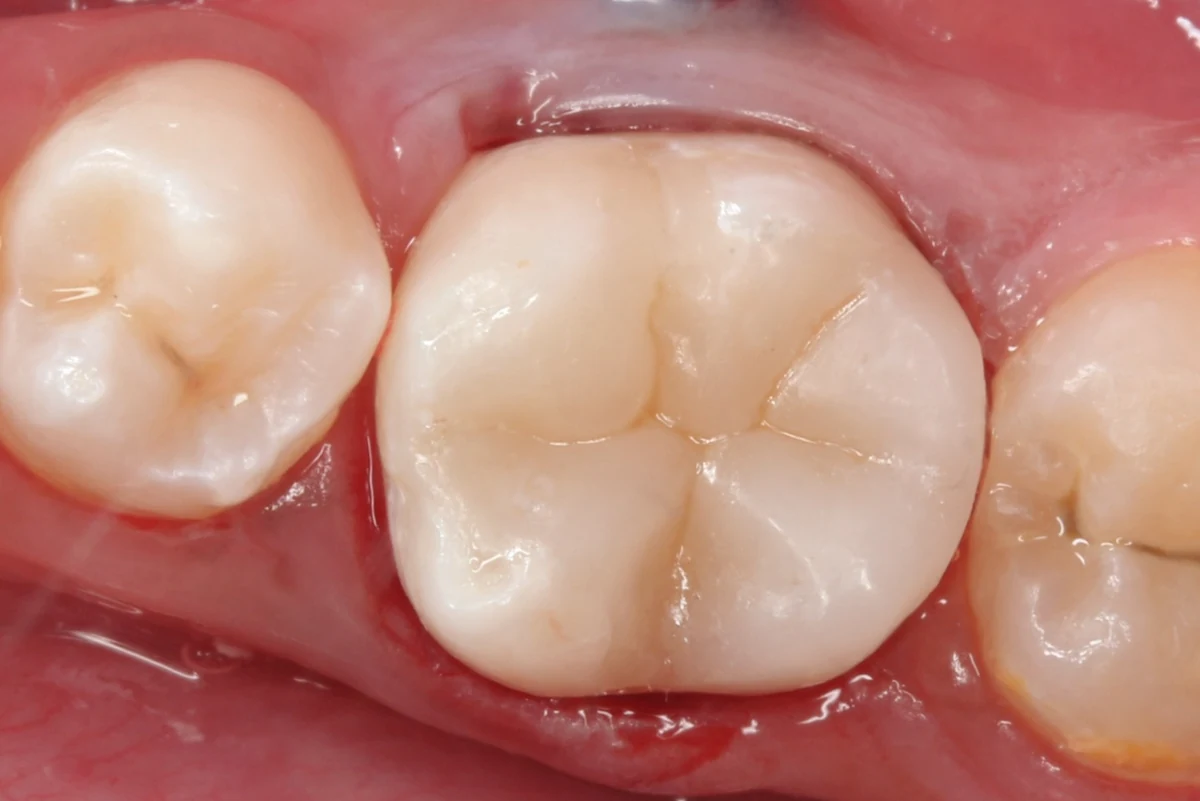
  • Biting surfaces of the restored molar and its neighbouring teeth, without the rubber dam.

Root canal treatment

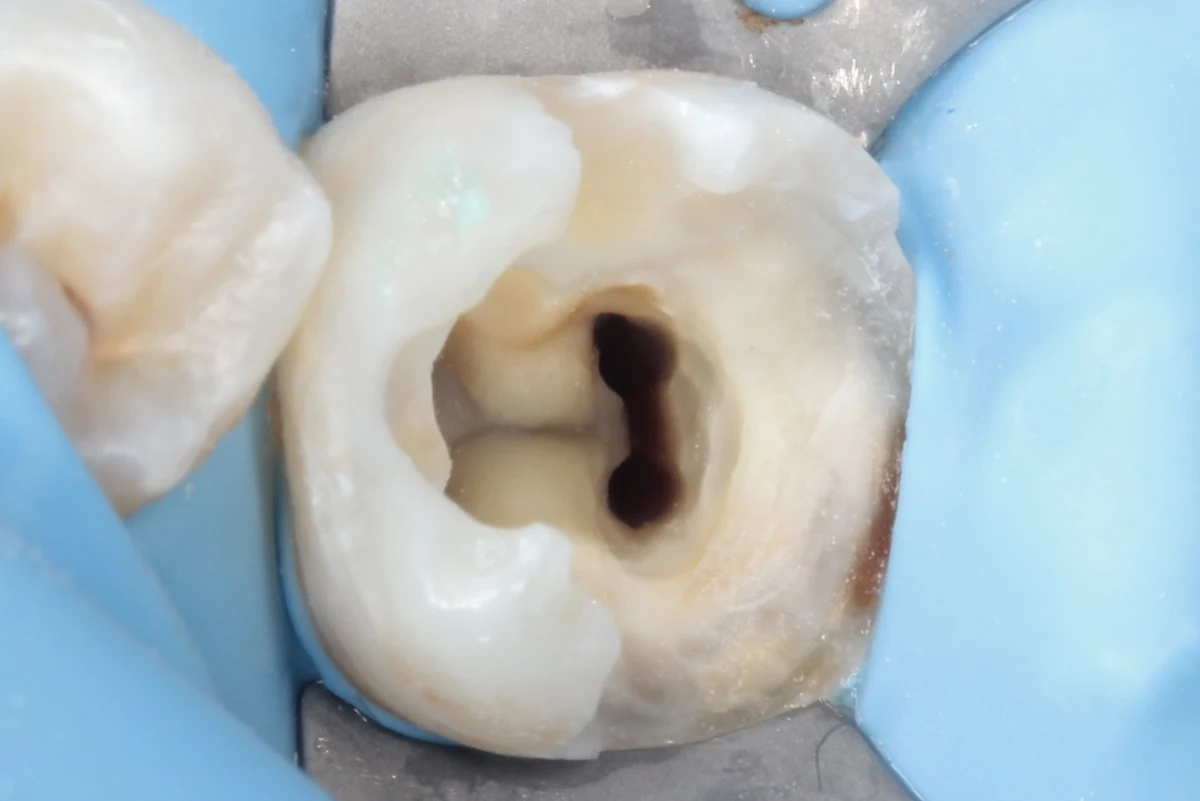
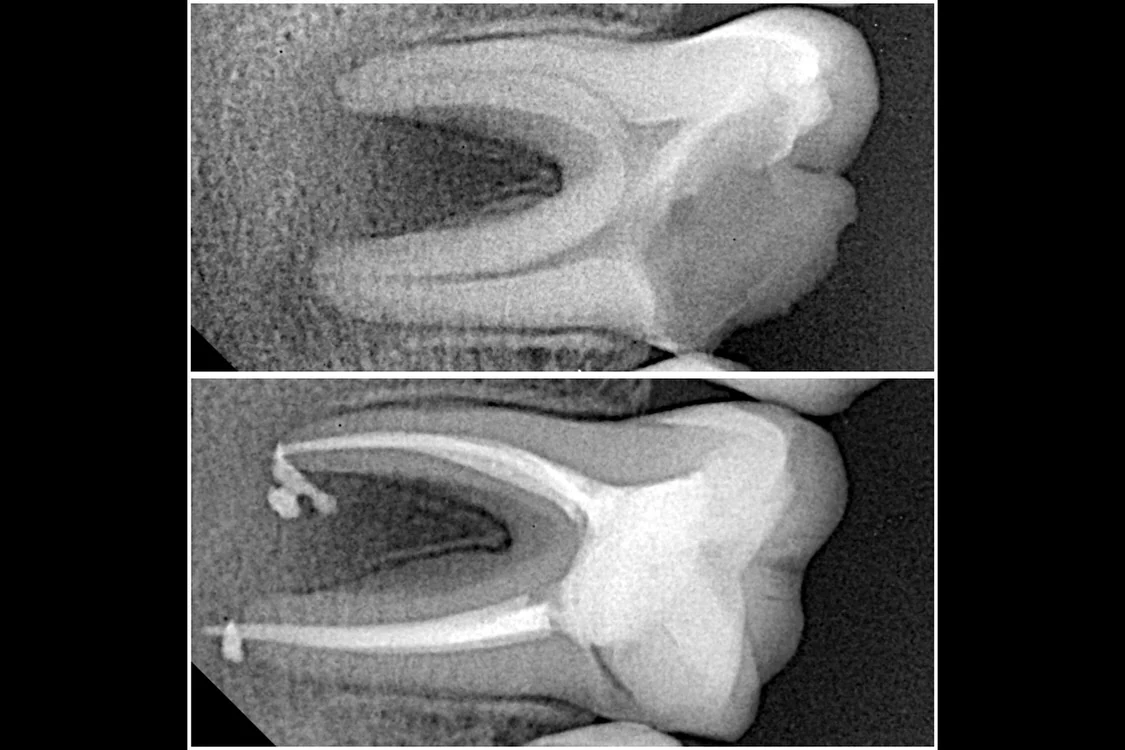
When decay reaches the nerve, it becomes inflamed and contaminated, and may cause pain and complications if left. In treatment we remove the nerve and clean the space thoroughly, measure the length of the canal with a dedicated device and confirm the measurement with an X-ray, then fill the canal. After root canal treatment the tooth must be sealed with a composite filling. If a large part of the tooth has been lost, a fibre post may be placed before the final filling.

Educational visuals: root canal treatment
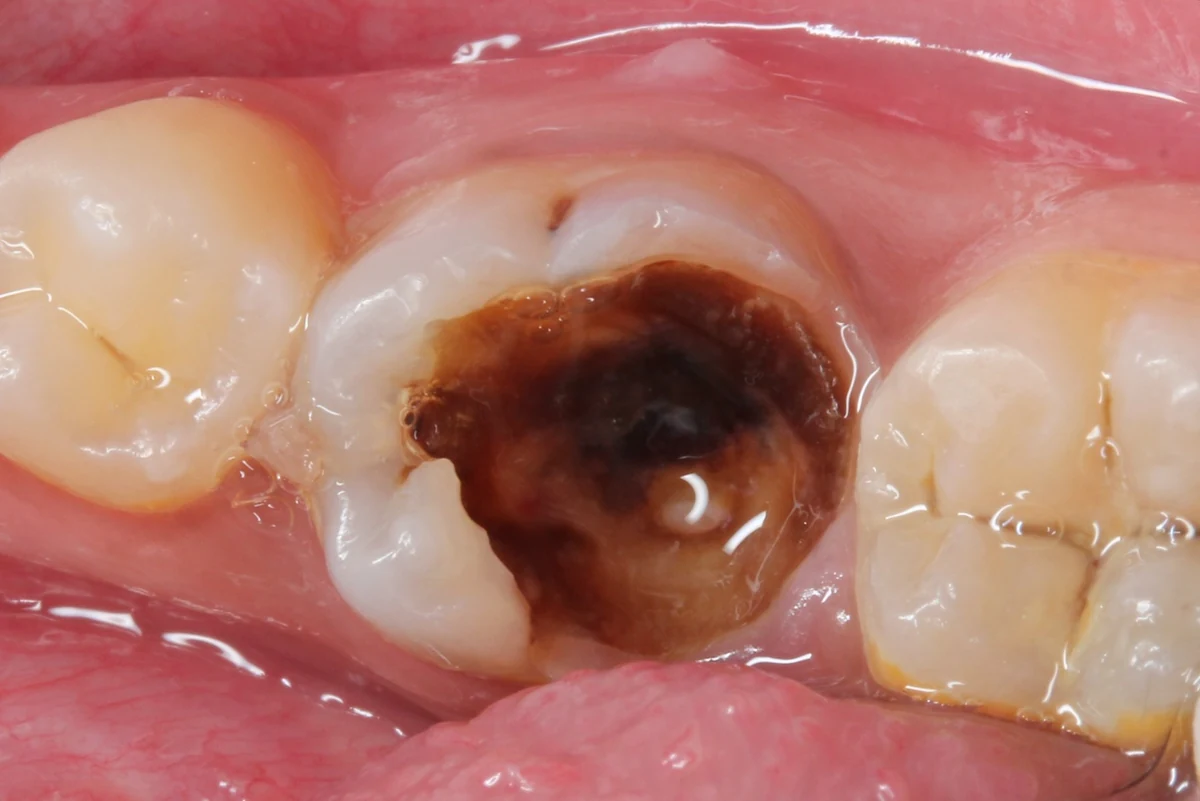
  • A lower molar with a large dark cavity that has destroyed most of its biting surface.
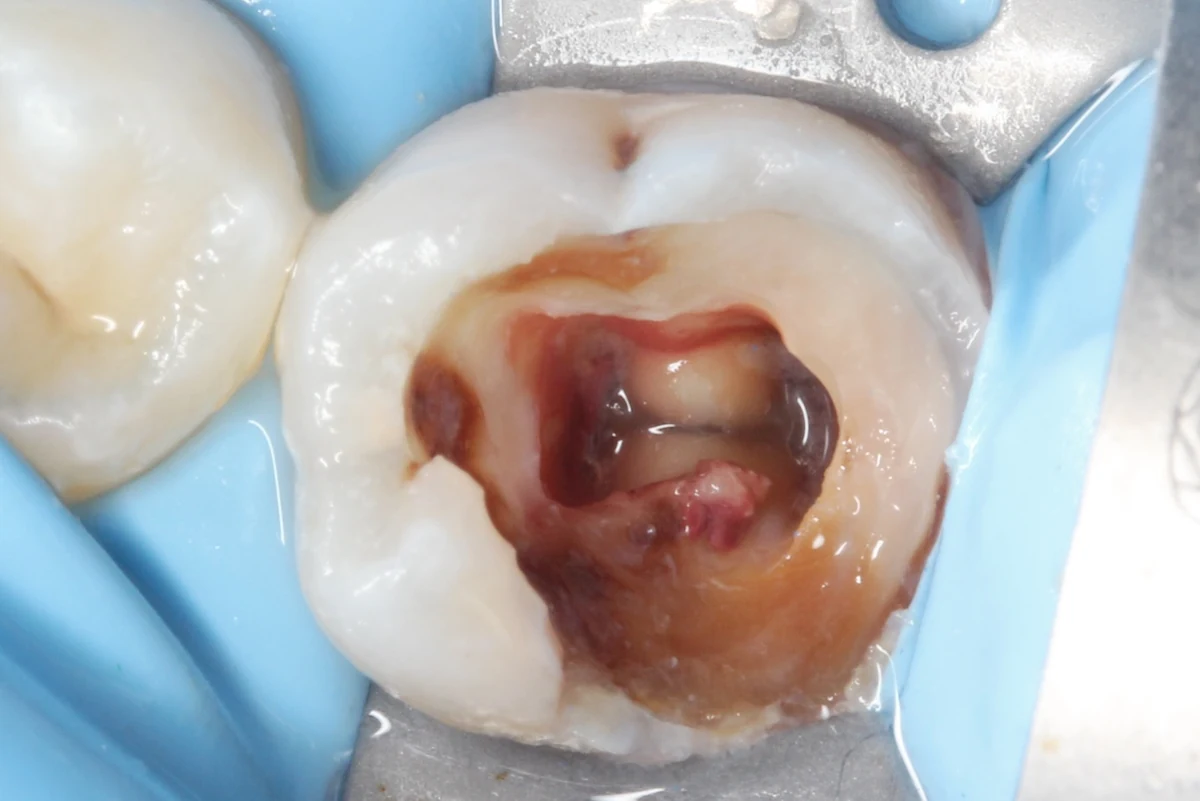
  • Under a rubber dam: the cavity opened, showing the inflamed pulp chamber.
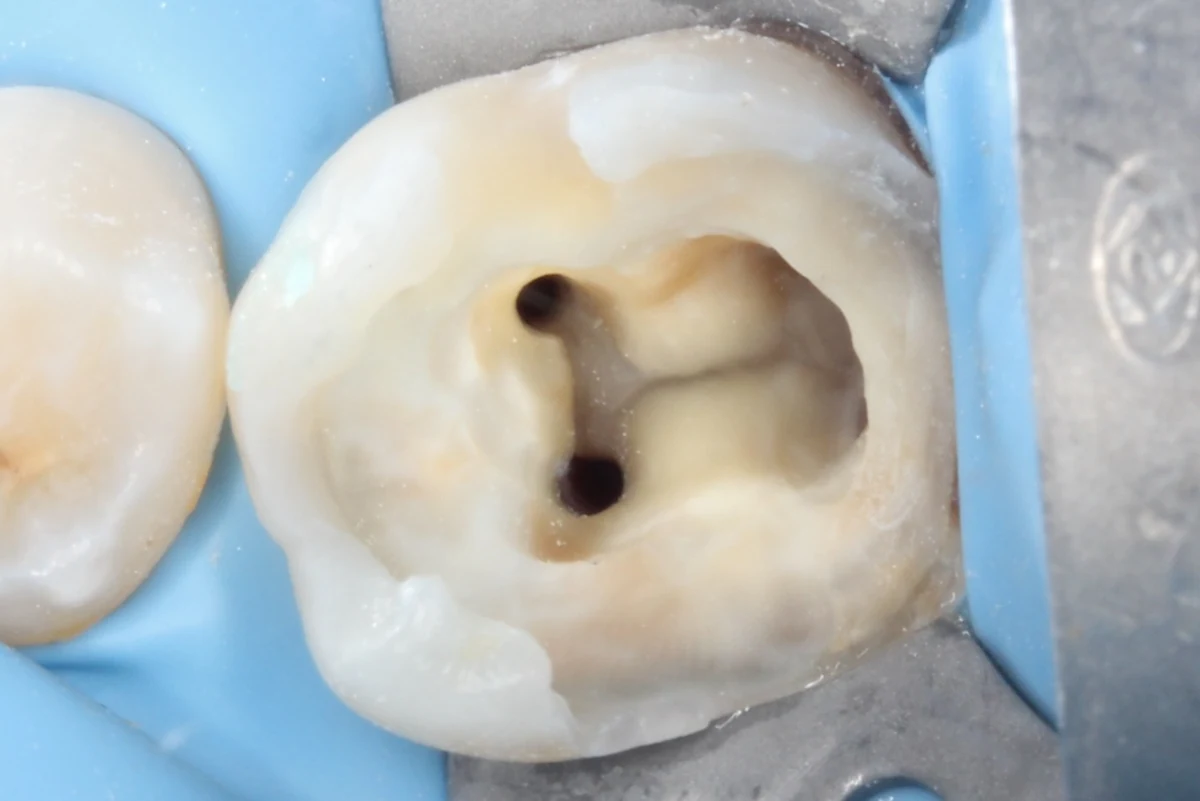
  • Under a rubber dam: the pulp chamber cleaned, showing the entrances of the root canals.
  • Under a rubber dam: another view of the cleaned chamber and the canal entrances.
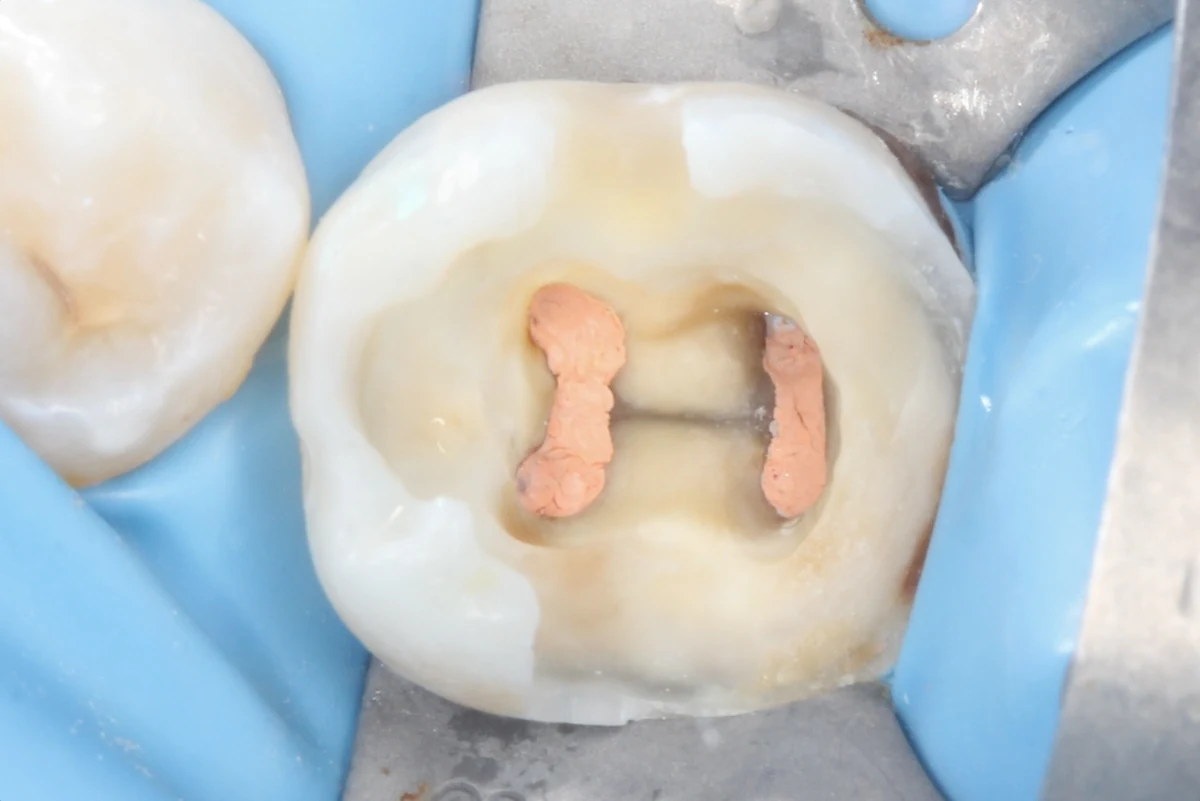
  • Under a rubber dam: the canal entrances filled with orange and pink material.
  • Under a rubber dam: the molar with its biting surface rebuilt.
  • Two X-ray images of the lower molar: one with the canals empty and one with the root canals filled.
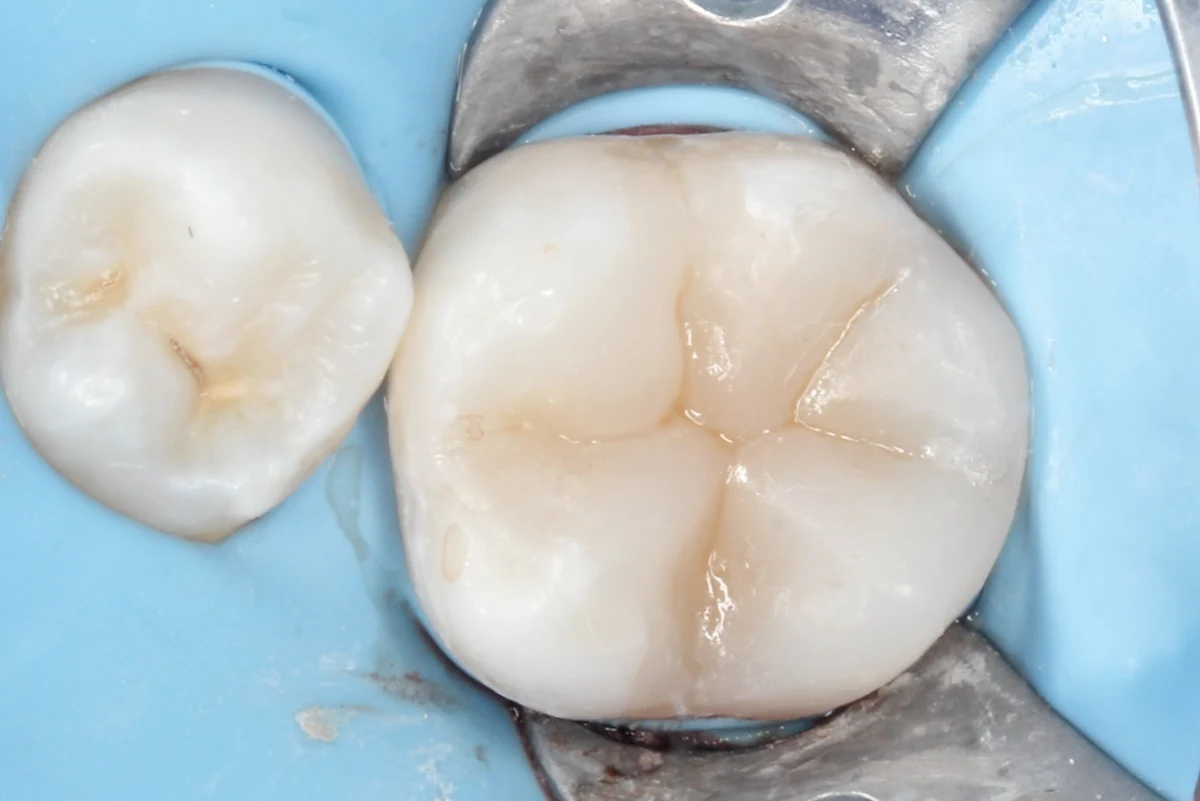
  • The finished restoration of the molar, beside its neighbouring teeth, without the rubber dam.

For pain, a phone call is the quickest route to the clinic.

In pain? Call us.

A conversation is the first step.

Contacting us does not by itself book or confirm an appointment.

General information only. A dental assessment is needed for advice about your case.