
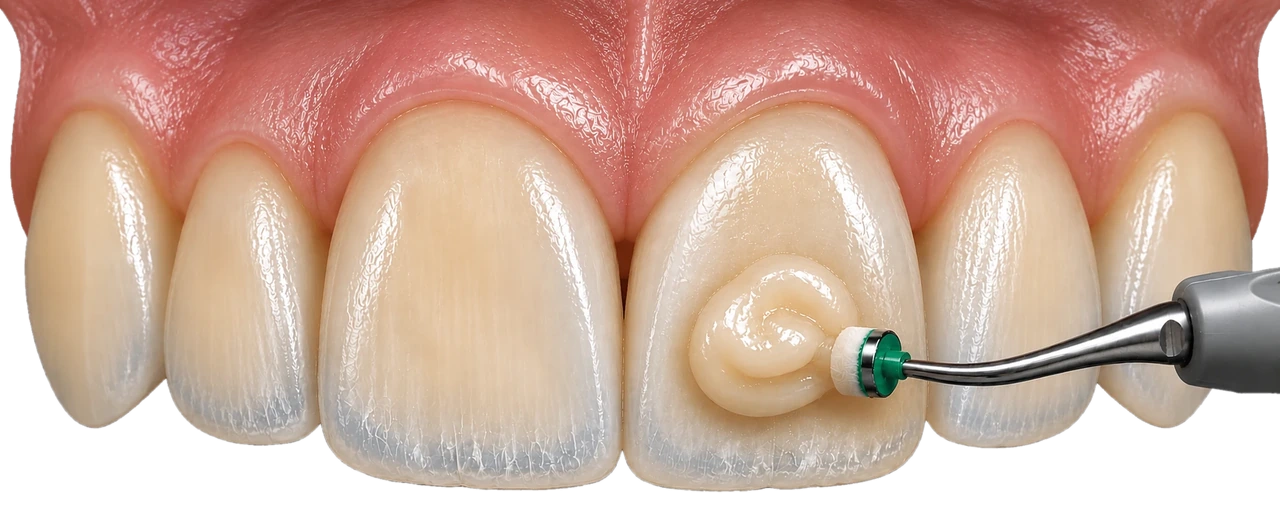
Direct Composite Veneers
Information and consultation with Dr. Ahmed Fathy in Helwan, Cairo.
Dr. Ahmed Fathy Helwan, Cairo, Egypt
About the treatment
Direct composite veneers are a cosmetic treatment in which the shape of the tooth is built with composite material, and its colour is chosen to match your teeth. They may be used to close gaps, to rebuild a tooth that has worn down, or to adjust the shape of an irregular, tilted or rotated tooth. After the examination the dentist decides whether it suits your case. Another option is indirect veneers (such as E.max), made in a laboratory, which may also be discussed.
Educational visuals
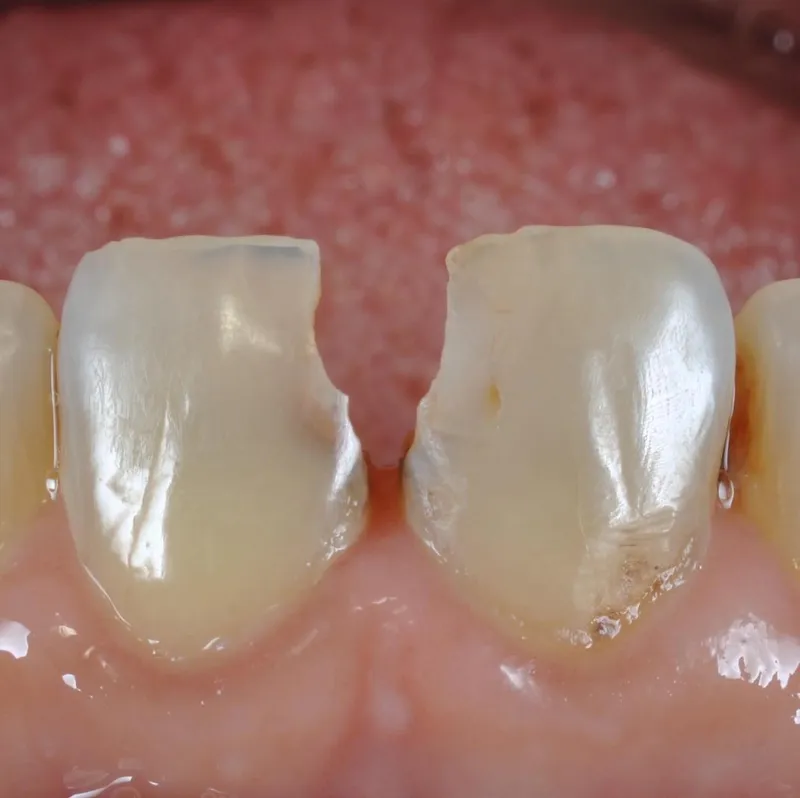
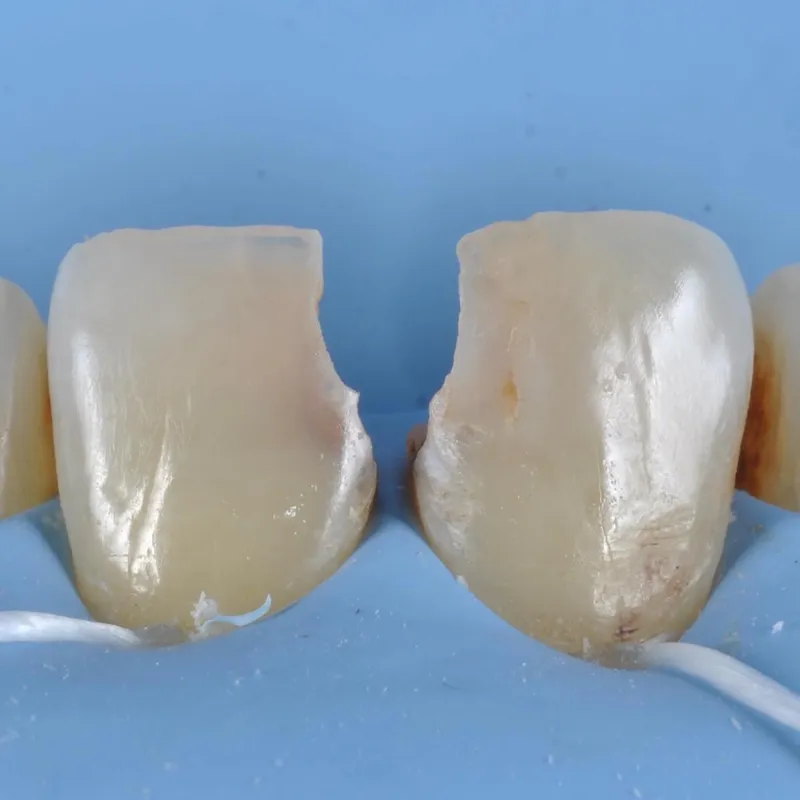
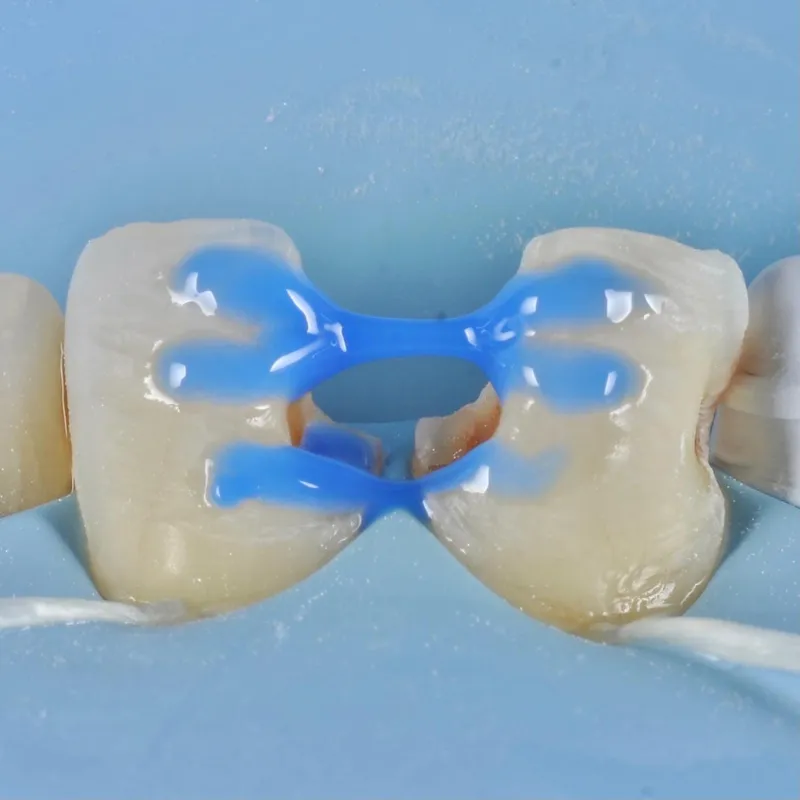
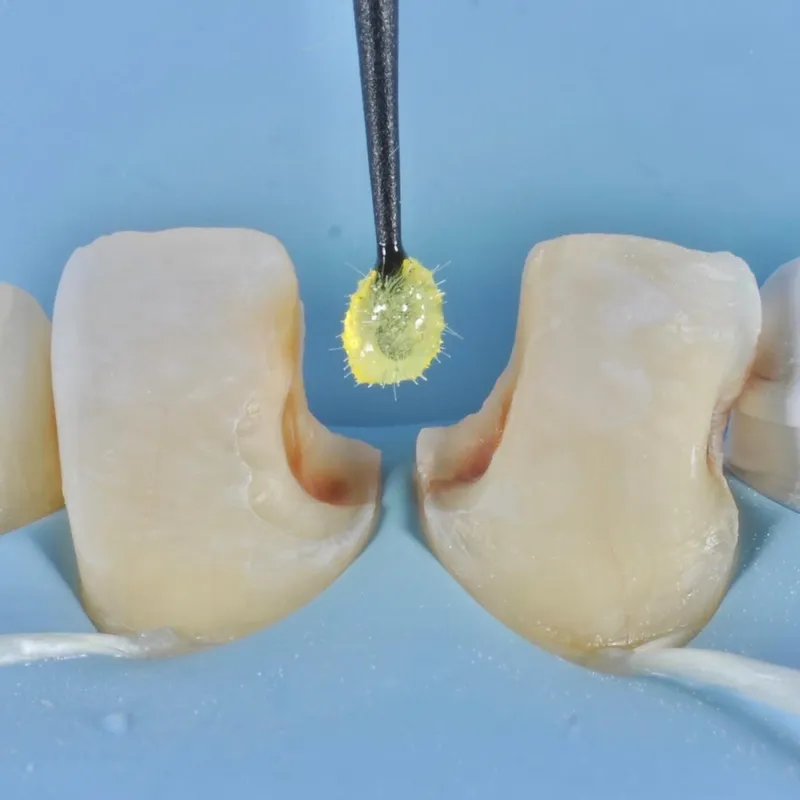
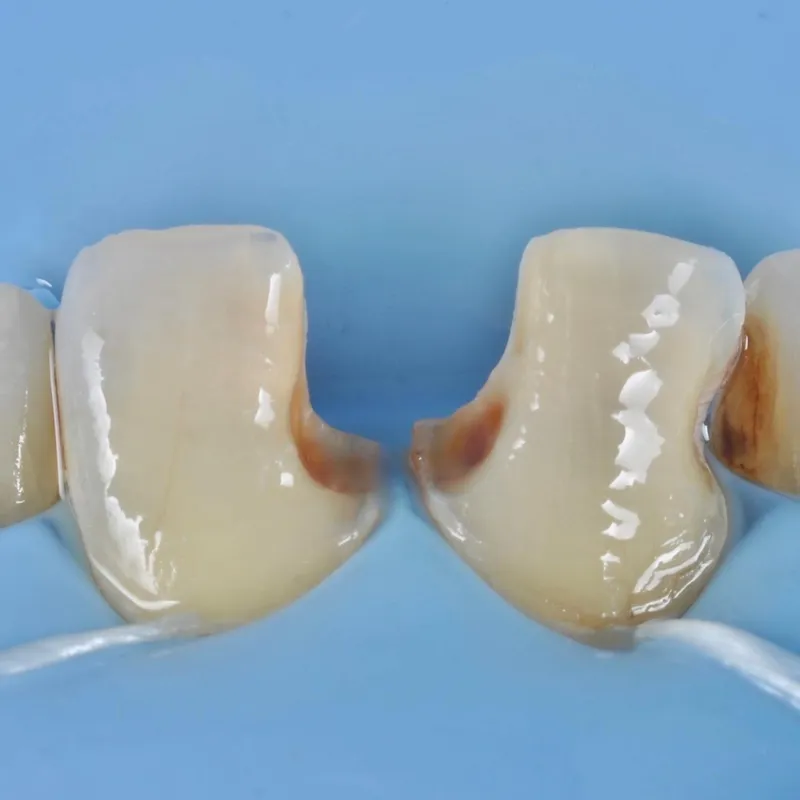
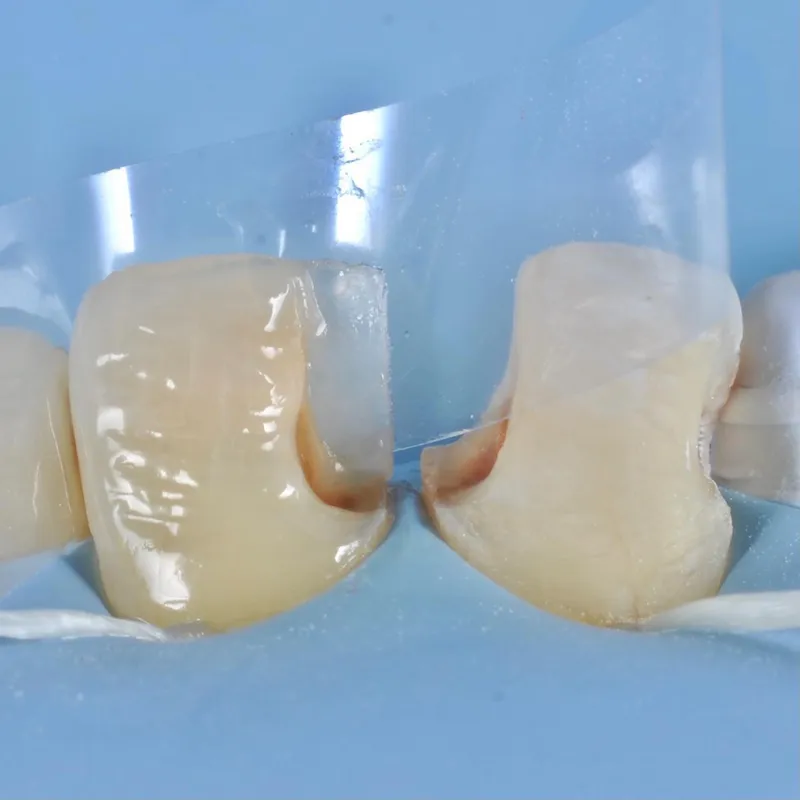
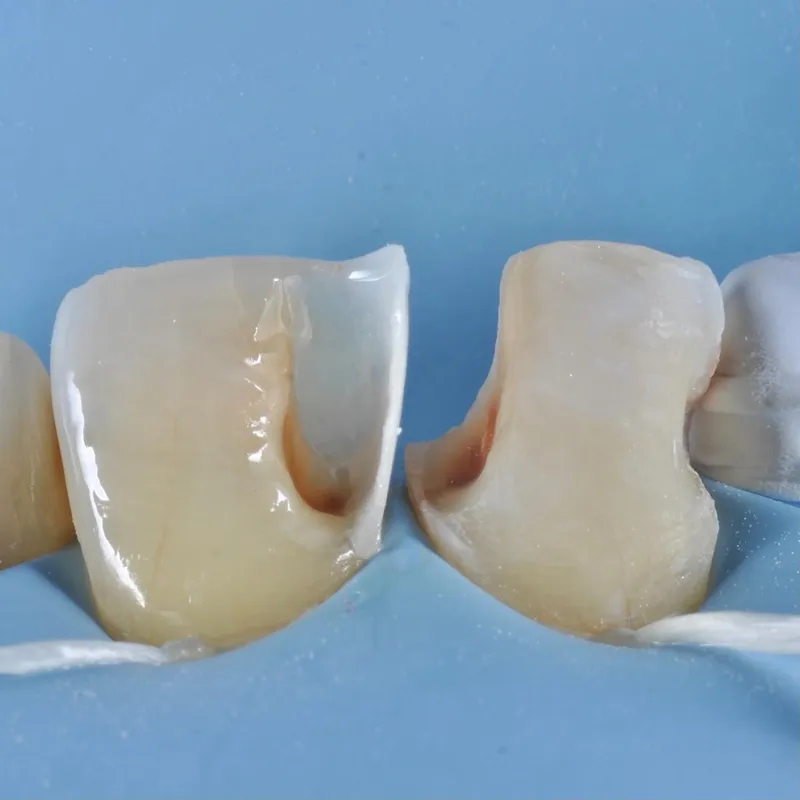
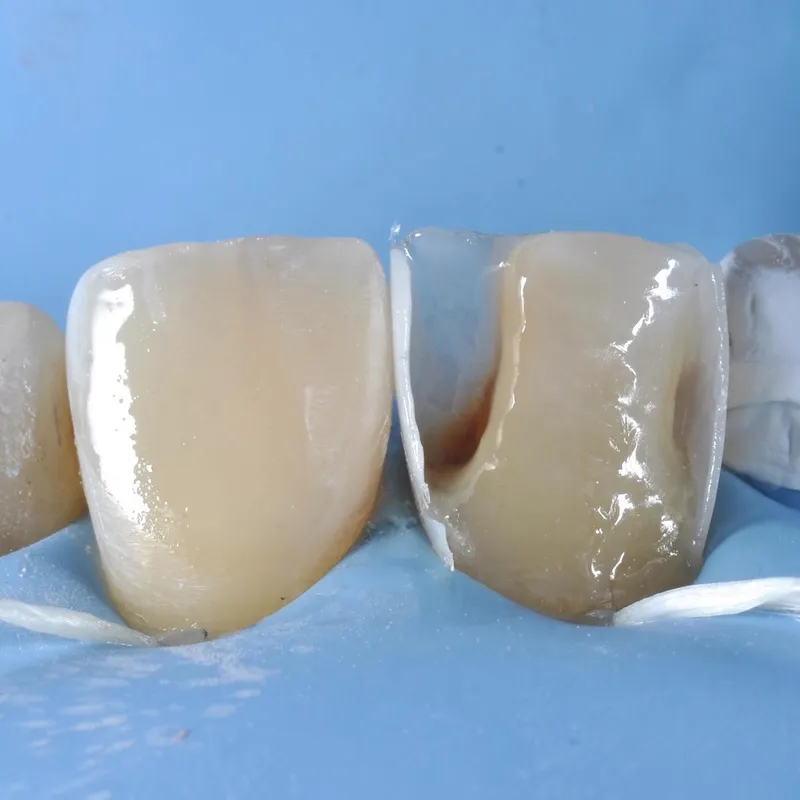
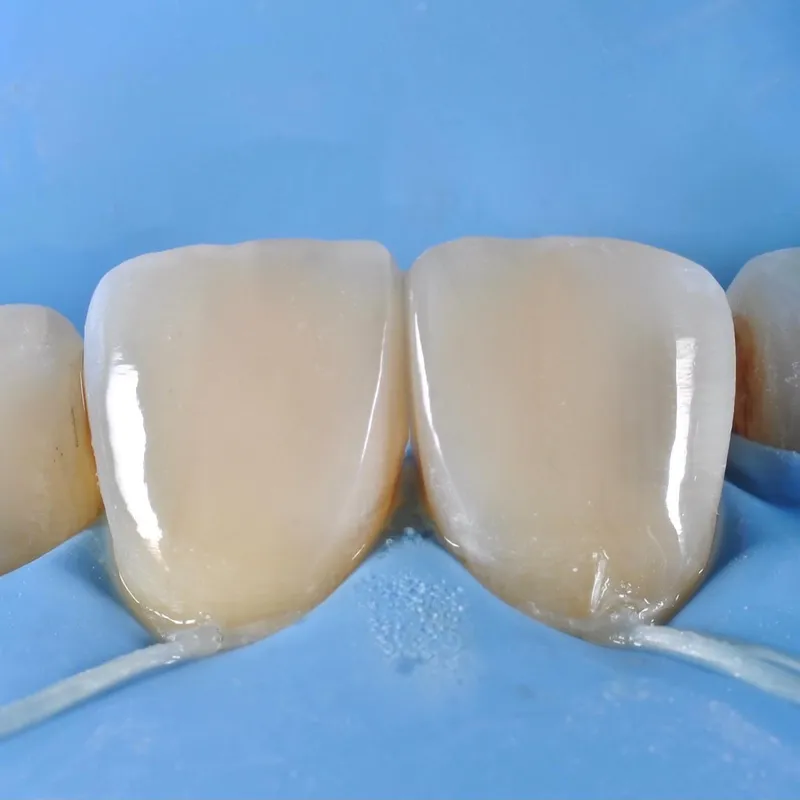
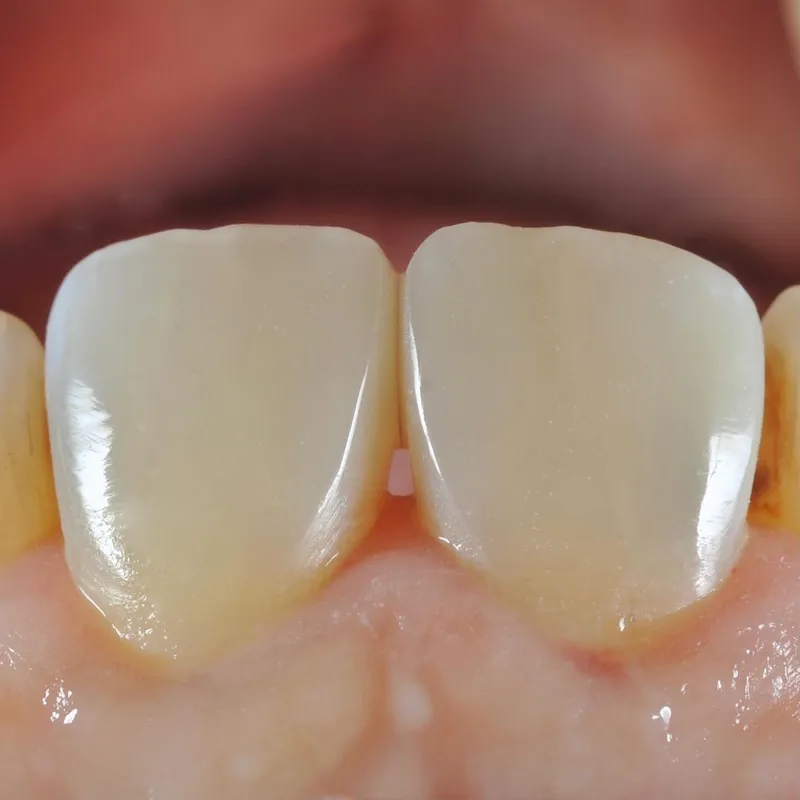
Before and after
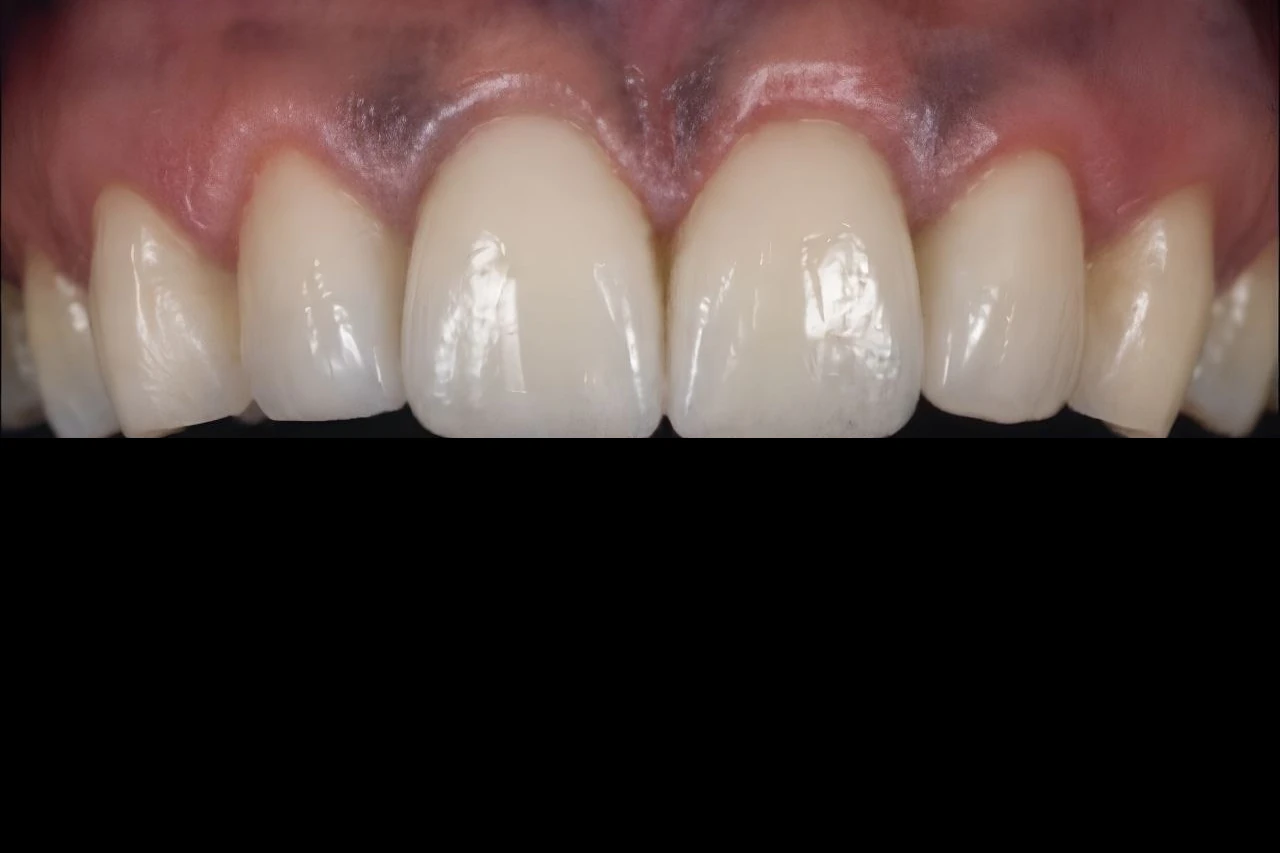
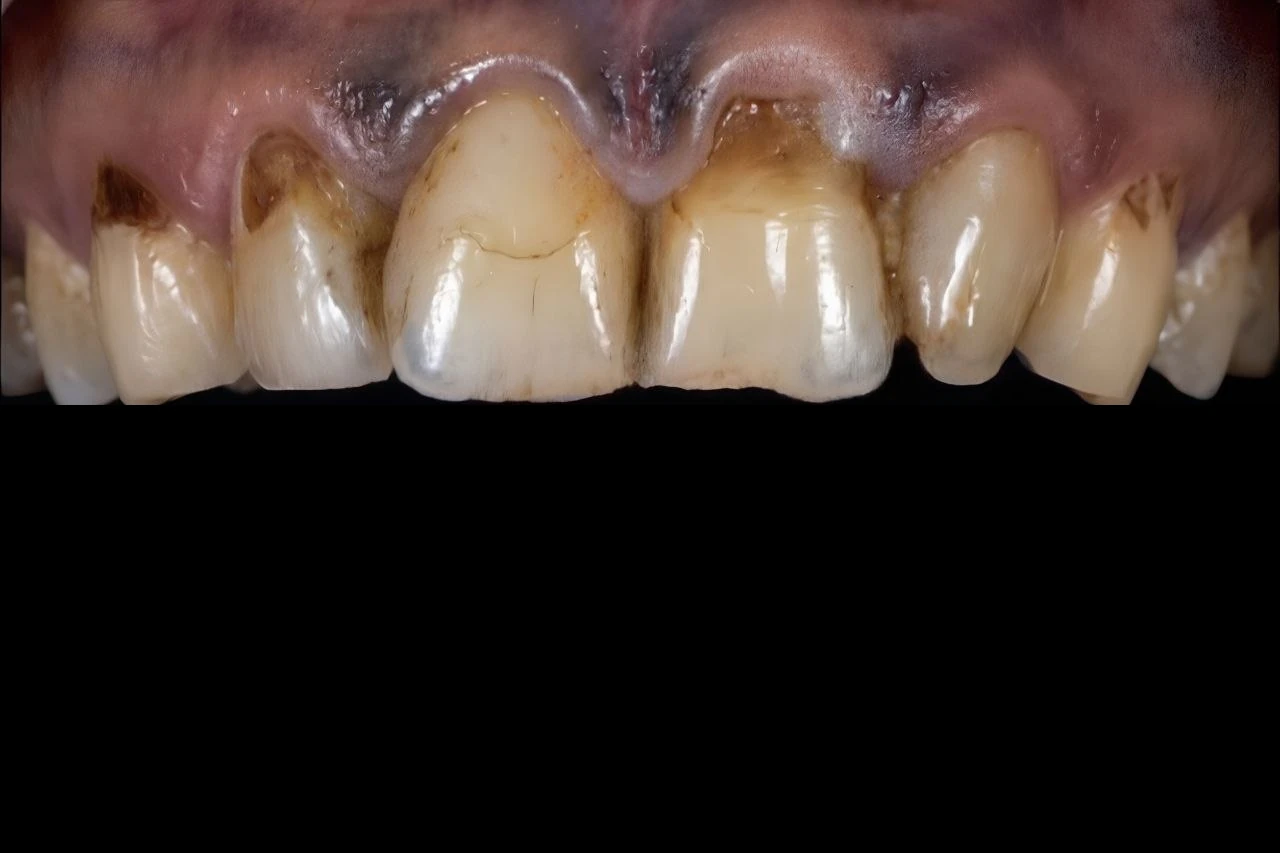
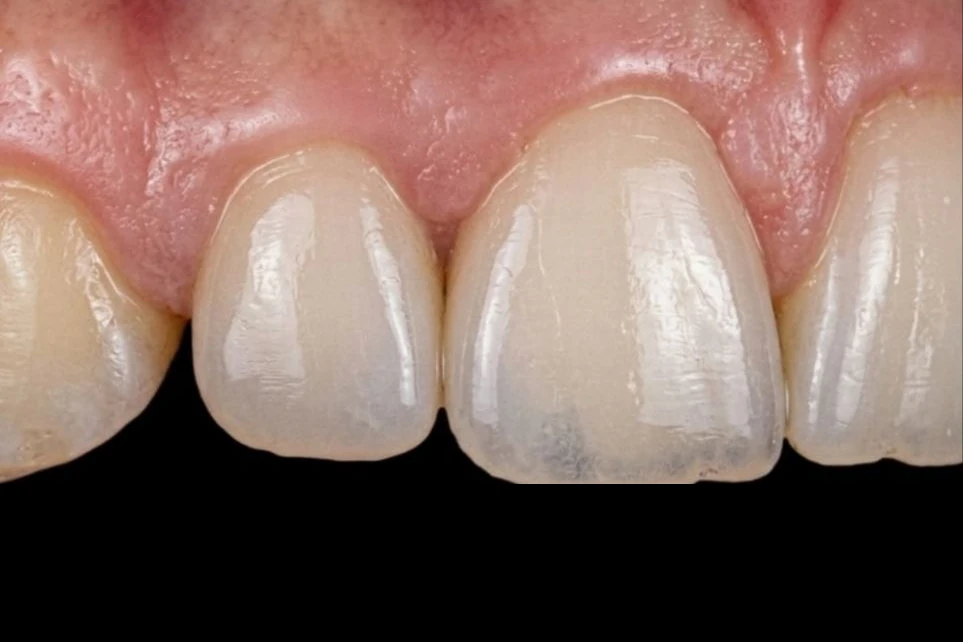
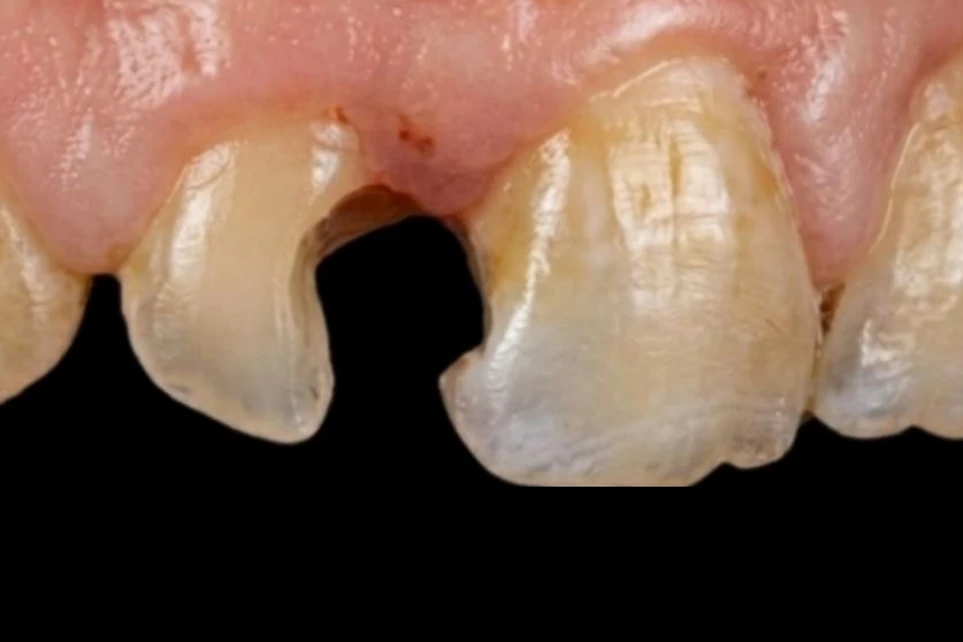
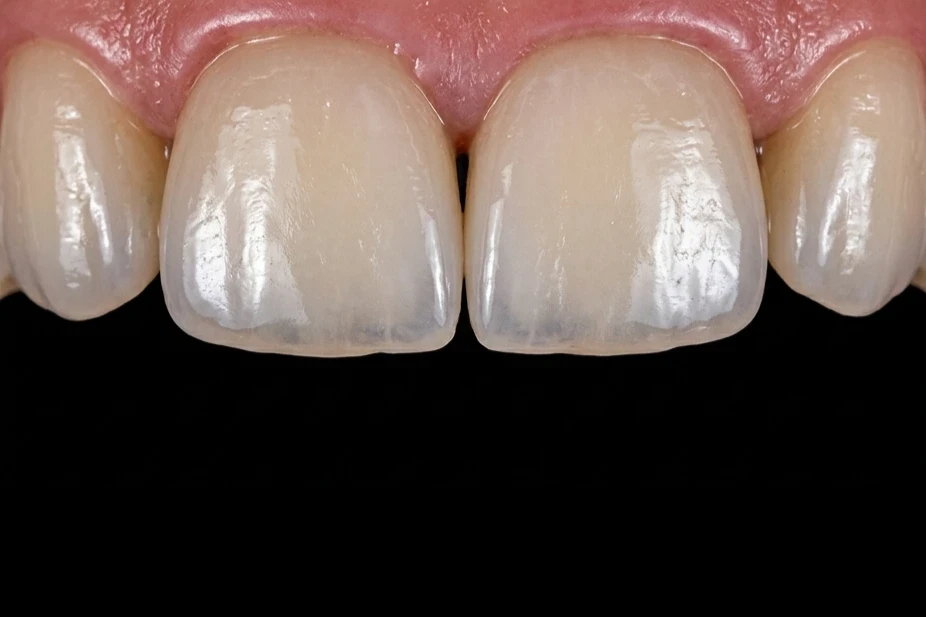
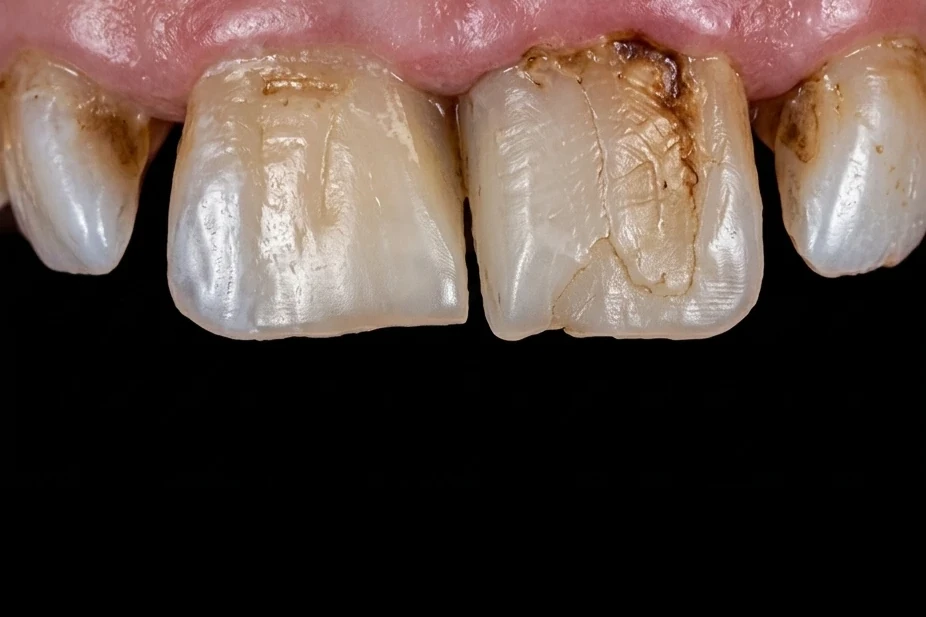
Who are direct composite veneers suitable for?
Direct composite veneers may suit someone with one of the following in the front teeth. The dentist decides after the examination whether they suit your case.
May suit
- Gaps between the front teeth.
- A tooth with a chipped edge or a broken part.
- Teeth whose edges have worn down or that have become shorter over time.
- Small or incompletely shaped teeth, such as a small pointed (peg-shaped) lateral incisor, or a missing lateral incisor.
- Colour change in one or more teeth, or old fillings that have changed colour.
- Teeth that are tilted, rotated or irregular to a mild degree.
- Defects in the tooth surface (enamel), such as enamel hypoplasia.
Composite alone may not be enough
- A tooth that has lost a large part of its structure.
- Severe discolouration, such as some teeth after root canal treatment or under some metal restorations.
- Heavy biting forces or teeth grinding.
- Gum inflammation or decay that has not been treated before the cosmetic work.
- A marked problem in the arrangement of the teeth or the bite.
In these cases the dentist may discuss other options, such as indirect veneers (E.max) or smile design, depending on the examination.

A conversation is the first step.
Contacting us does not by itself book or confirm an appointment.
General information only. A dental assessment is needed for advice about your case.