
MaqamDental
Premium cosmetic and restorative dentistry in Helwan, Cairo, with Dr. Ahmed Fathy.
Explore Your Smile Journey
Which concern would you like to learn more about?
An educational experience: choose what matters to you to see how it is assessed and what the possible stages are. No diagnosis and no treatment plan here.
Your choice stays on your device and is not sent anywhere.
Selected concern
Understand the concern
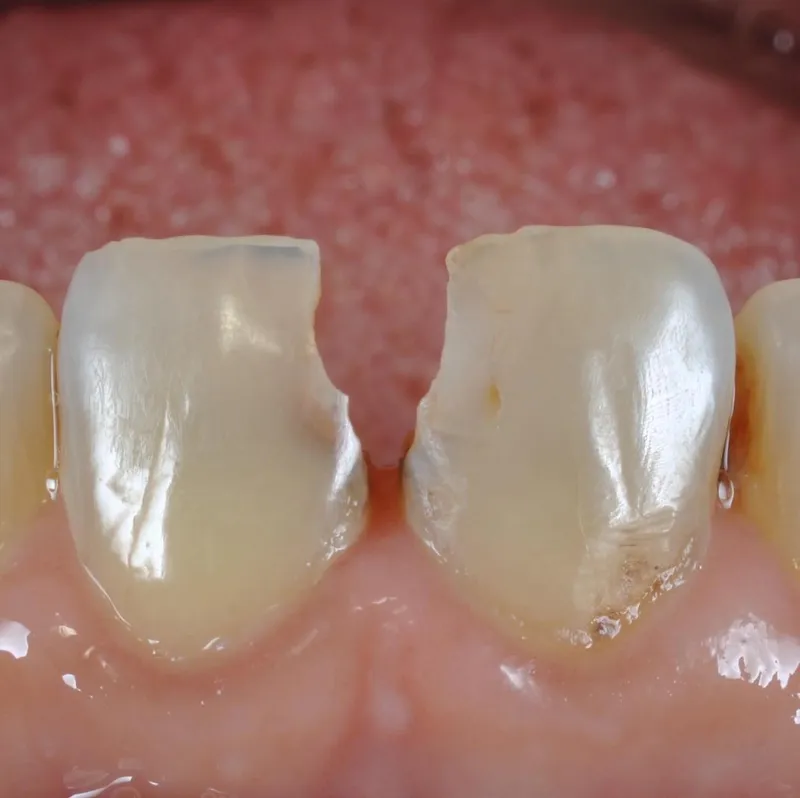
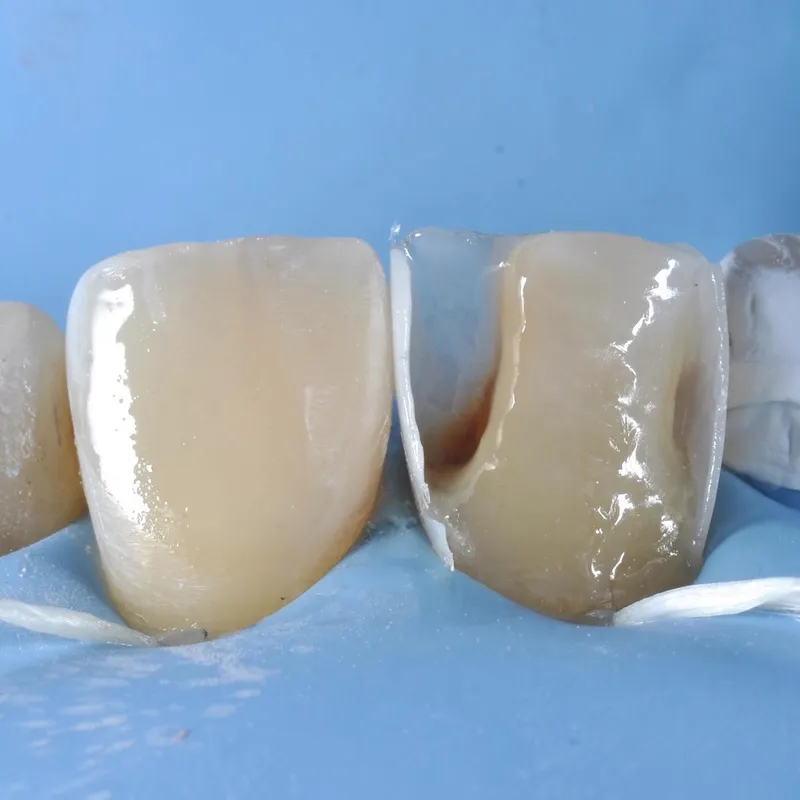
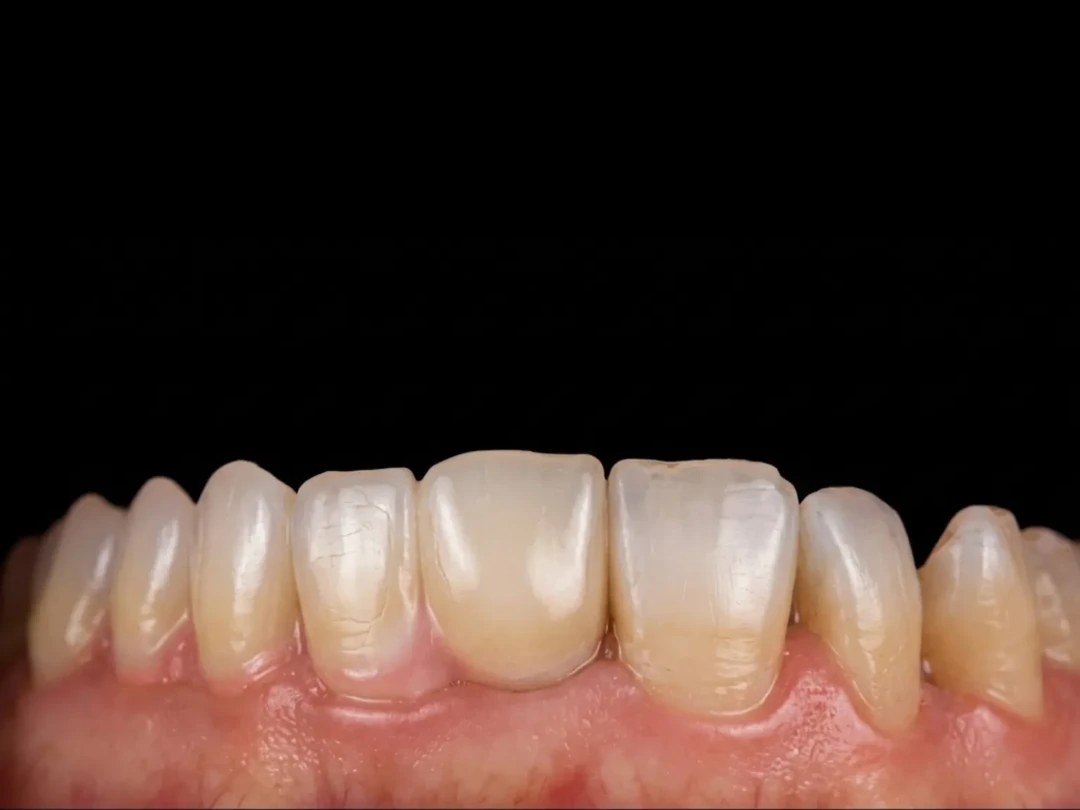
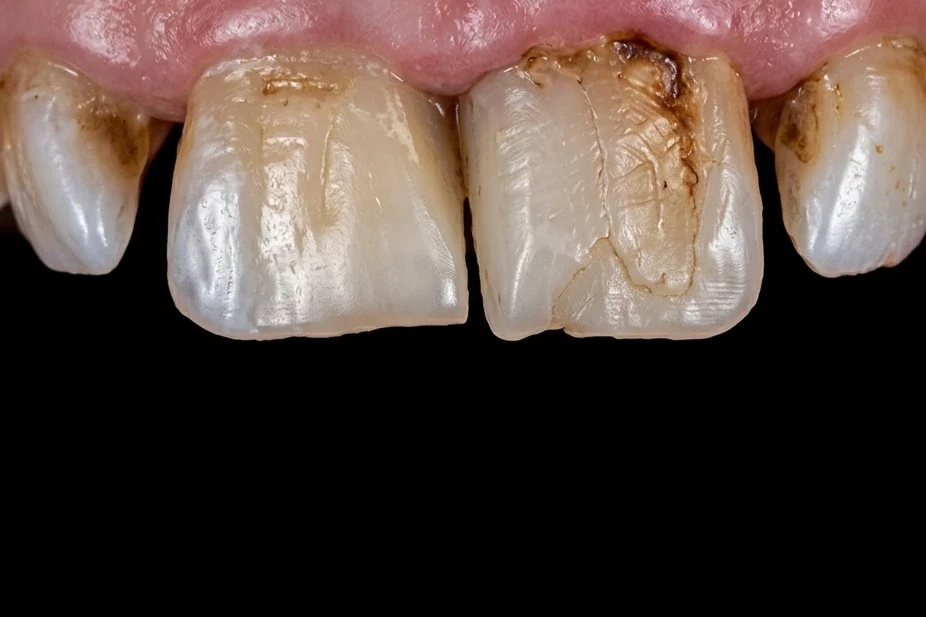
A front tooth can chip or break after an injury or biting on something hard. The break can be small, at the edge, or larger and involve more of the tooth.
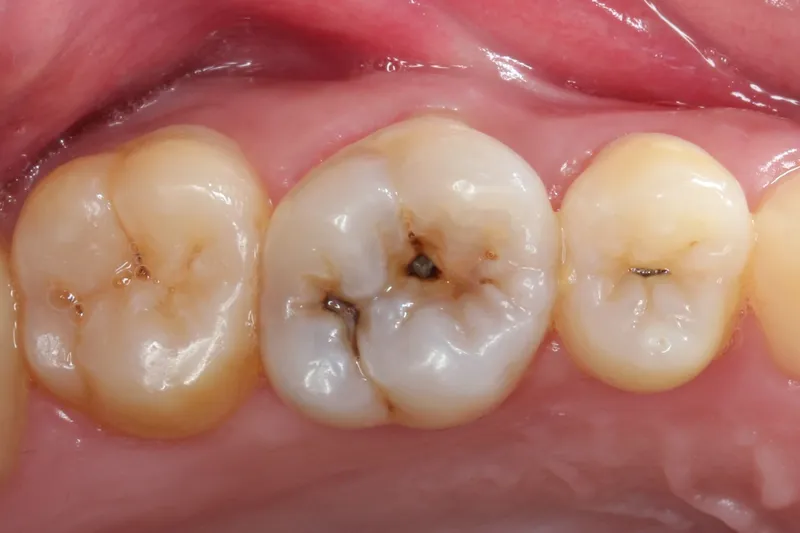
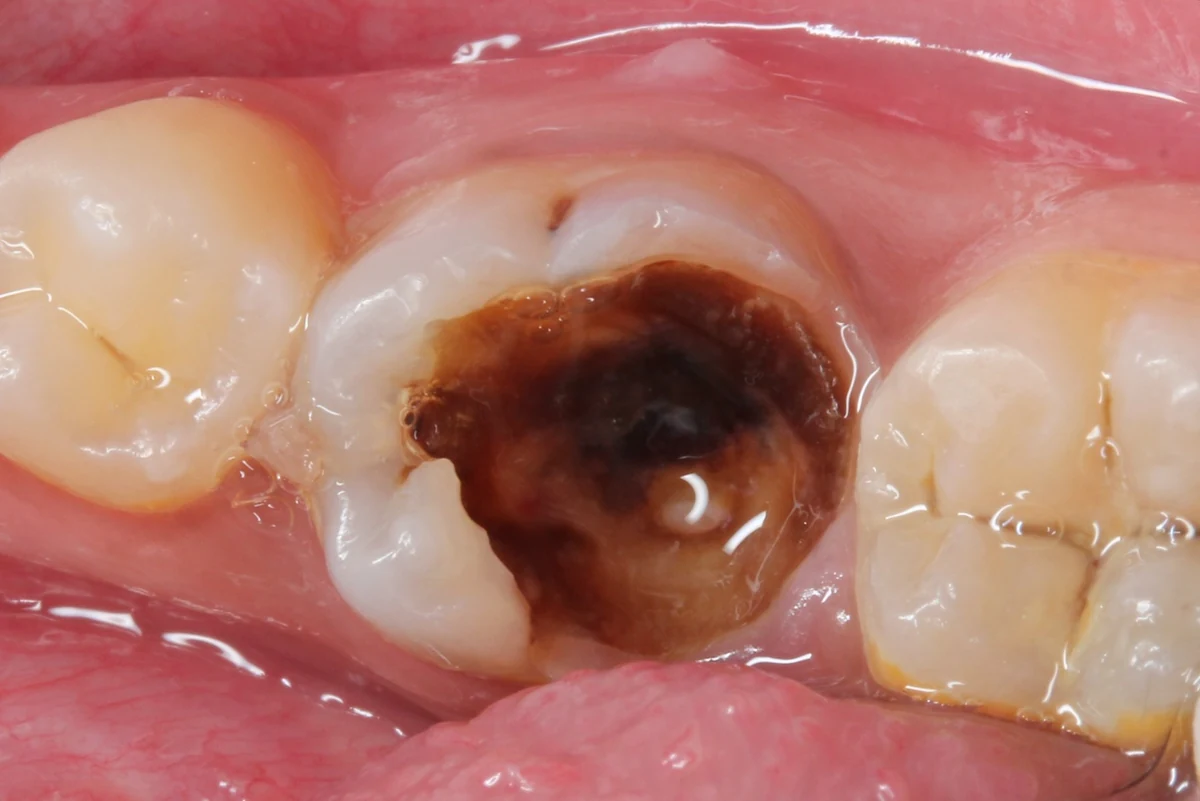
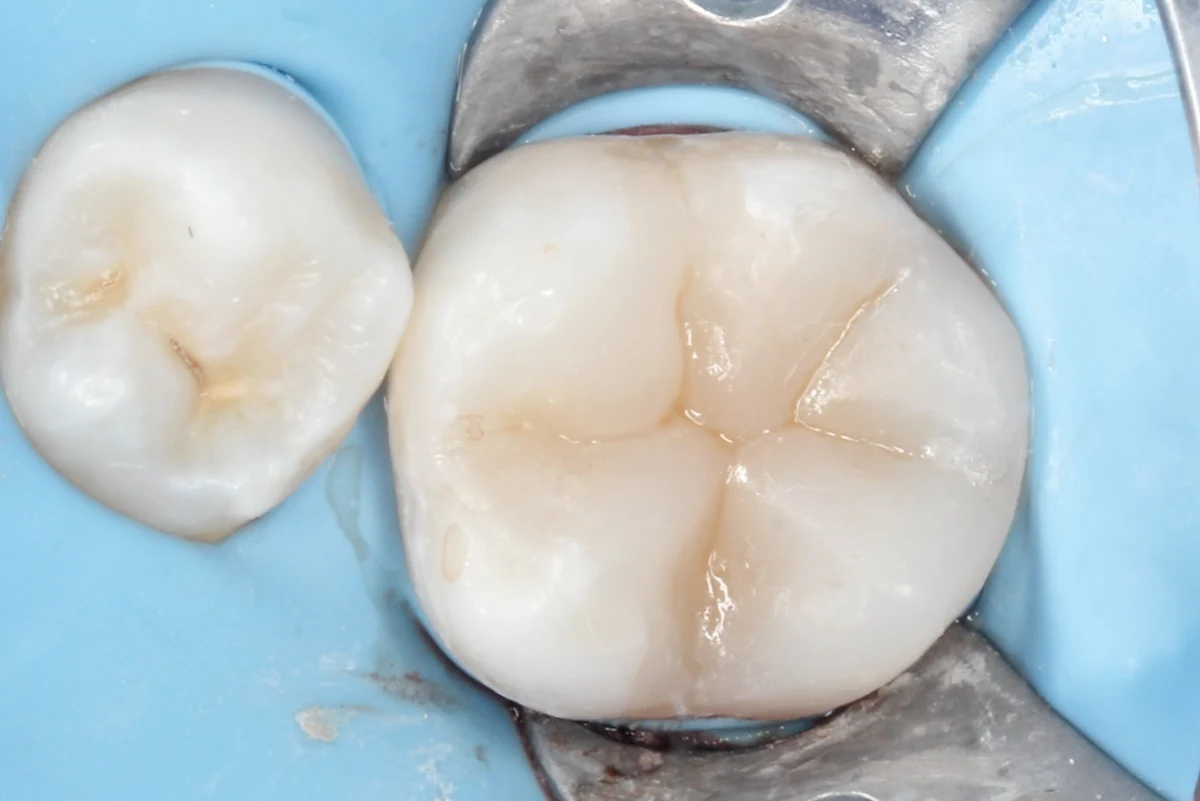
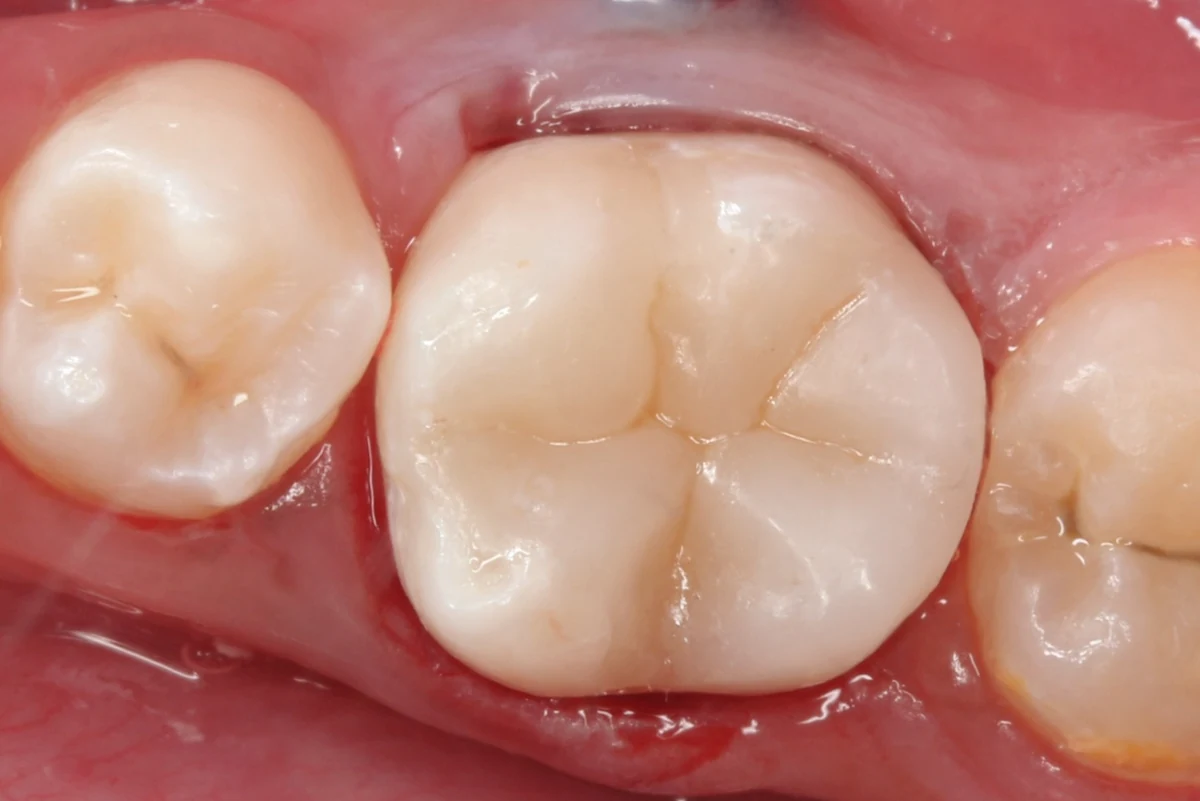
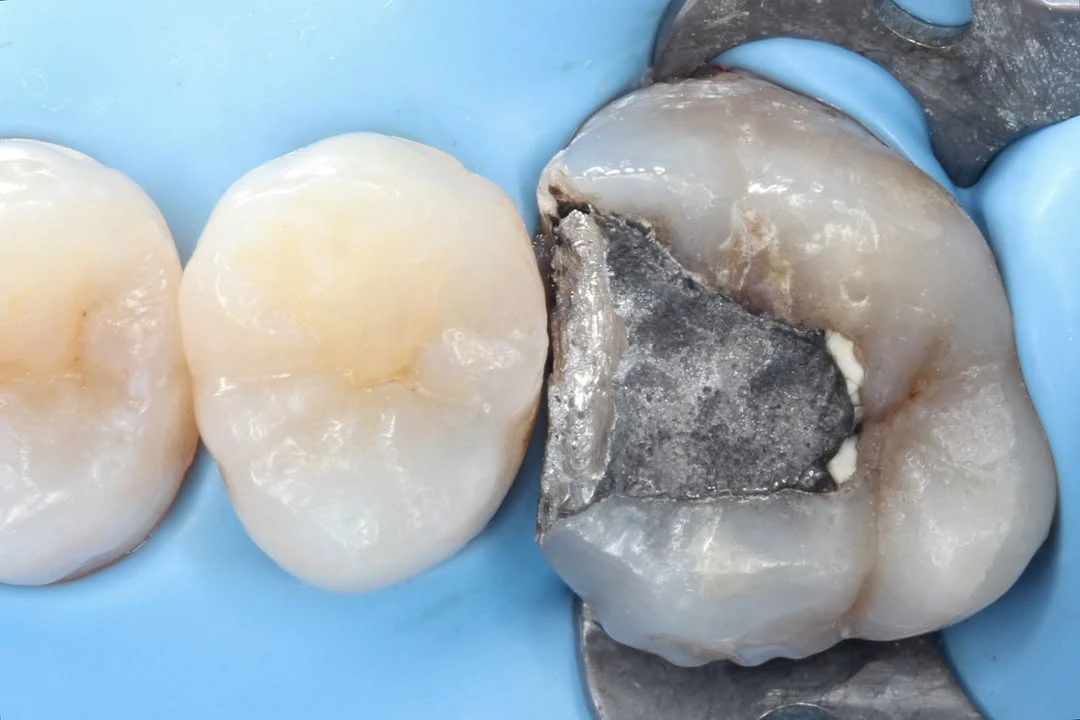
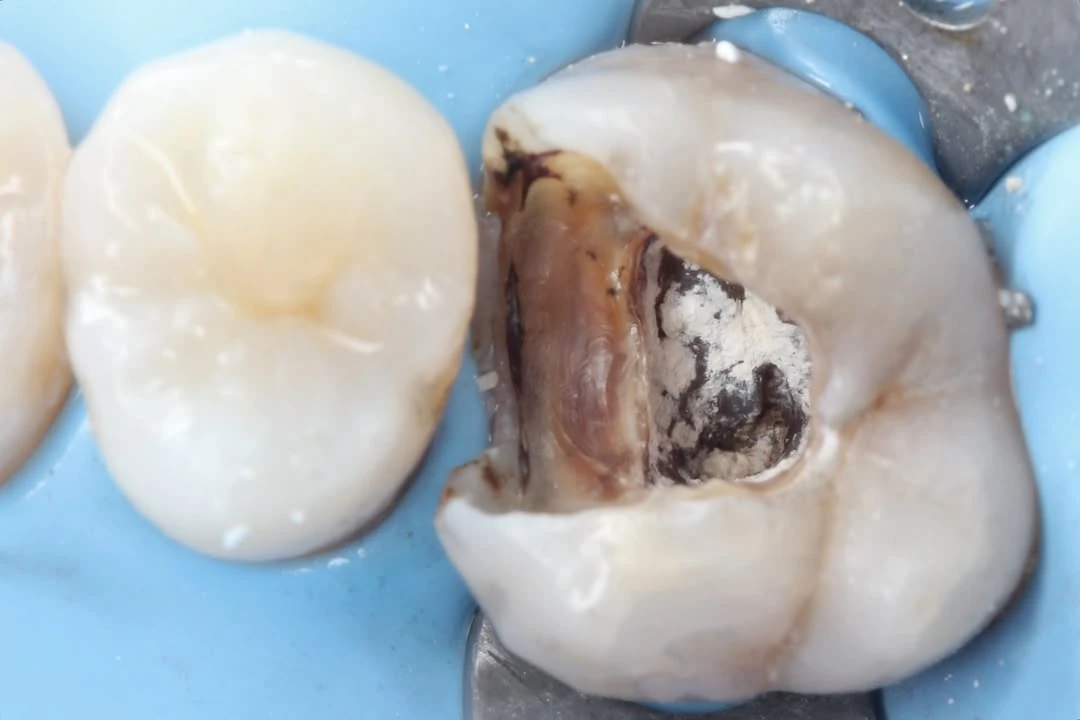
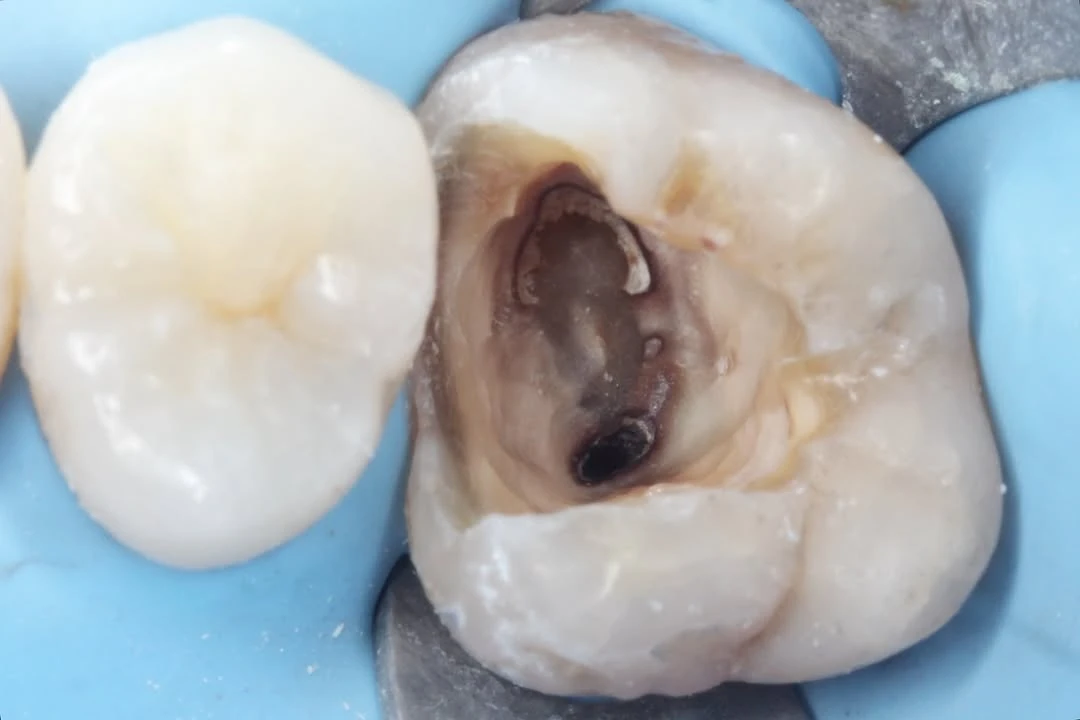
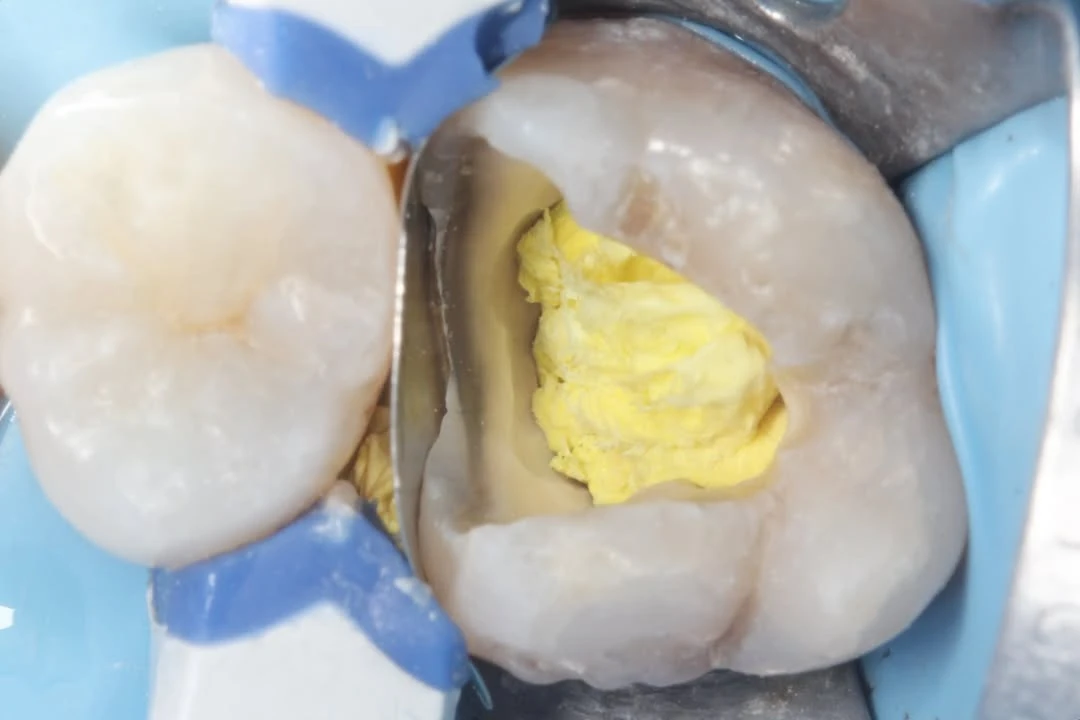
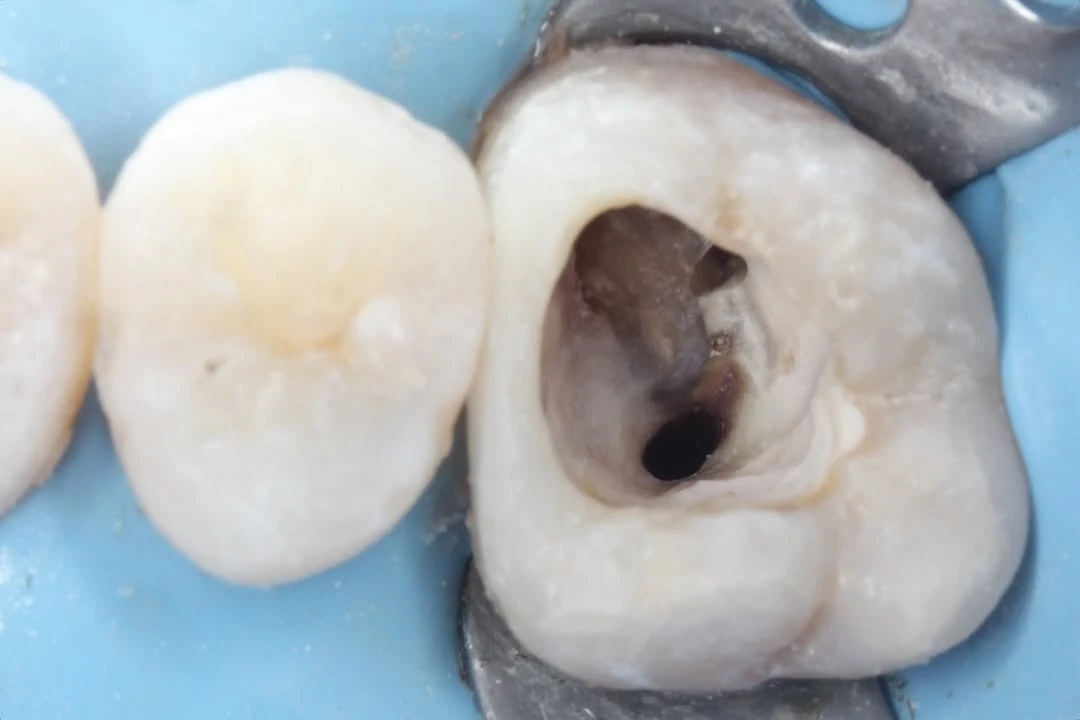
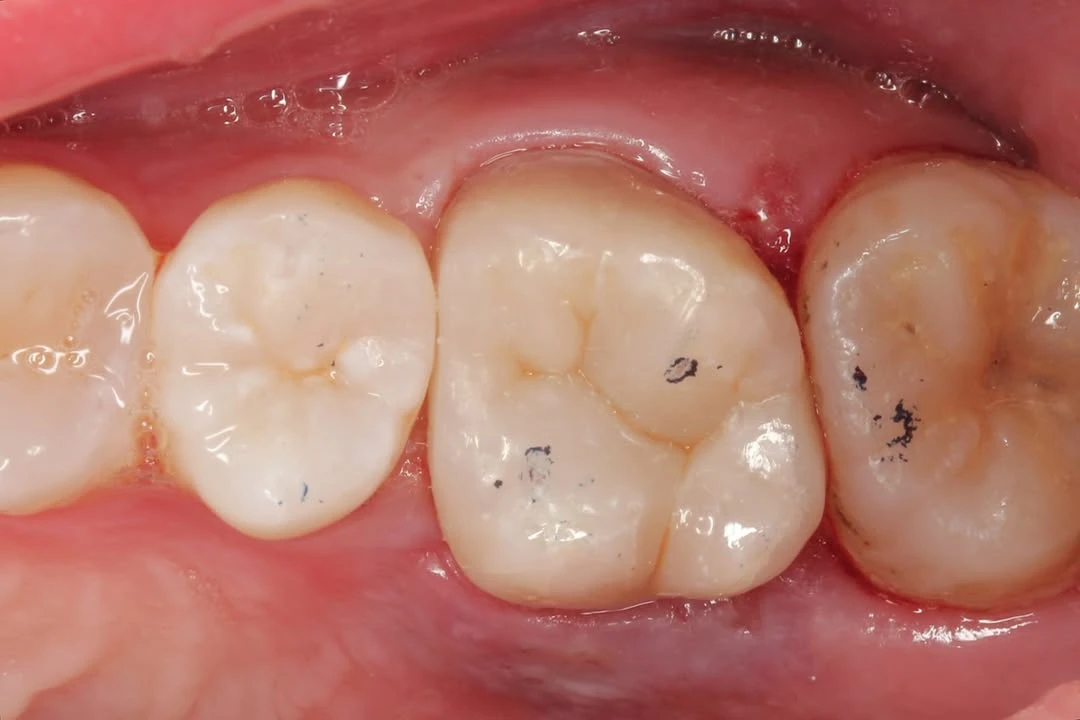
Decay damages tooth structure. A molar can also lose part of itself through a break or a filling that has come out.
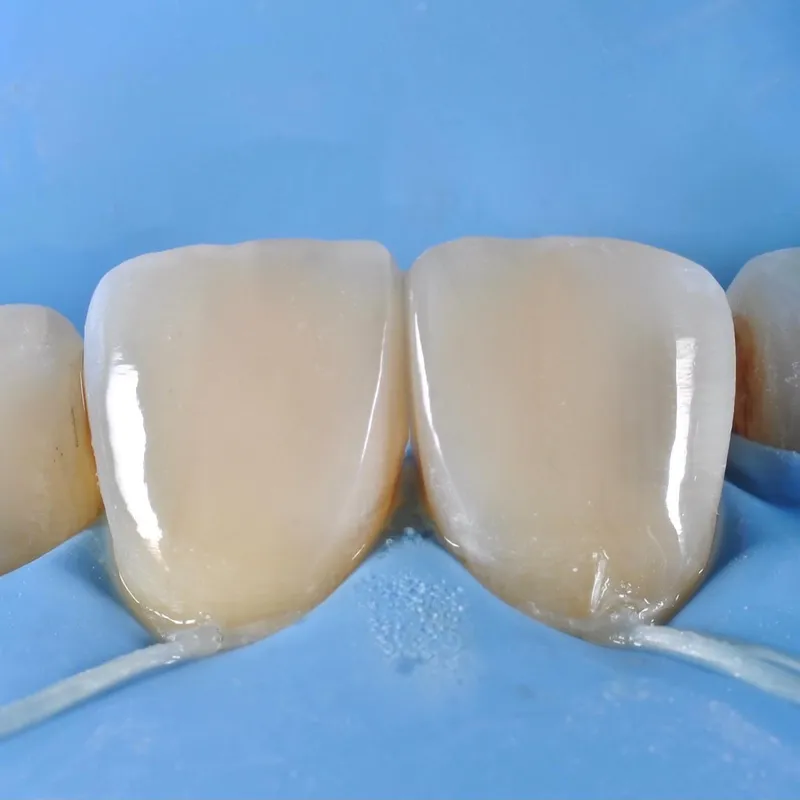
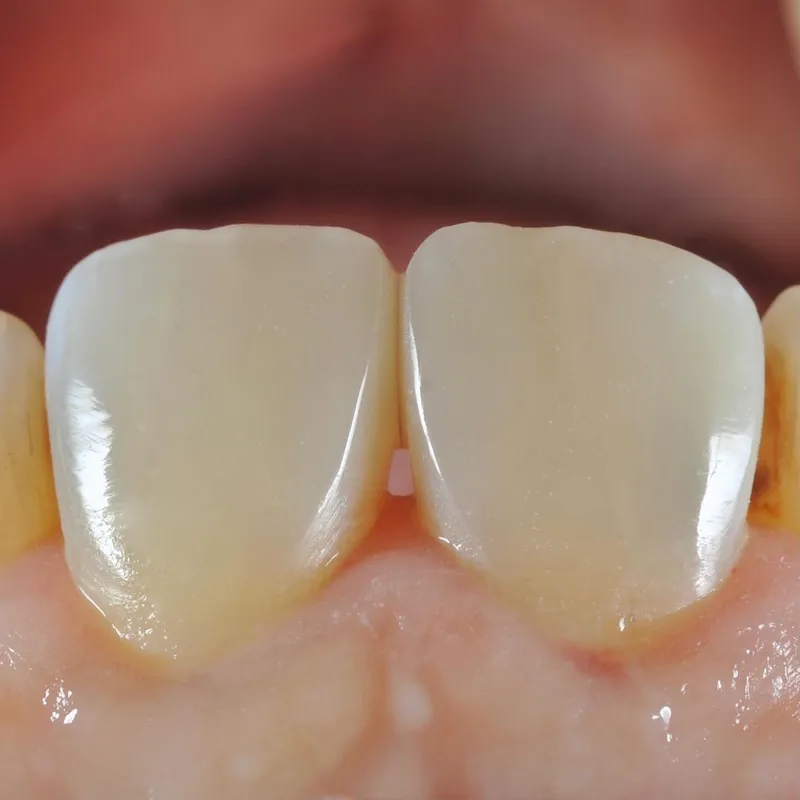
Gaps between teeth have different causes, including the size or position of the teeth or a missing tooth.
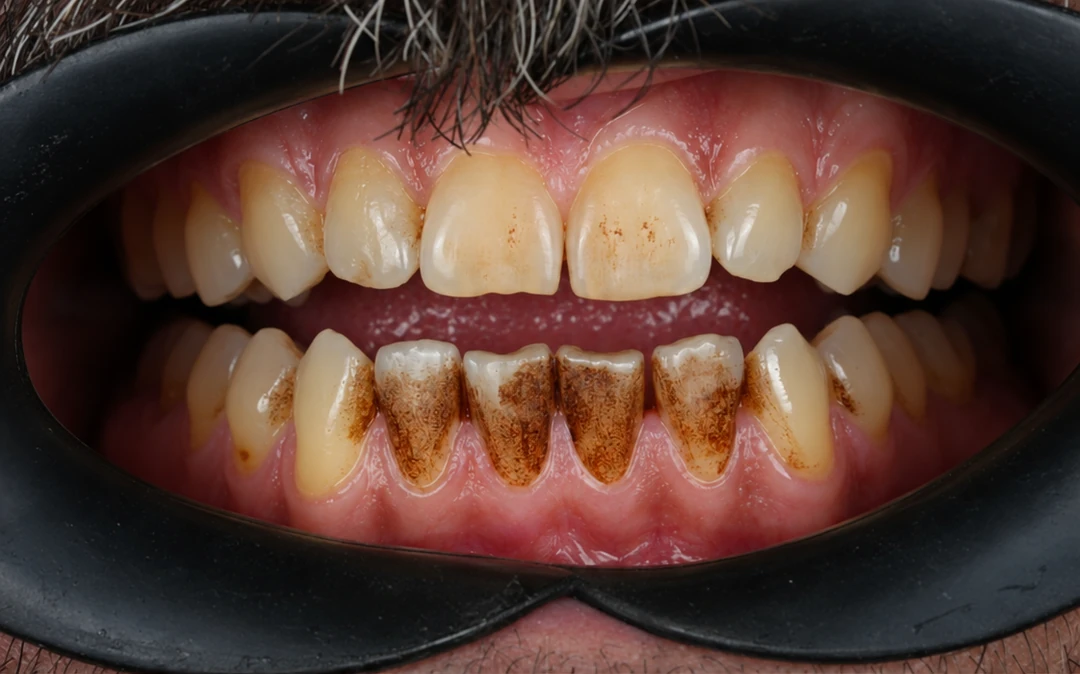
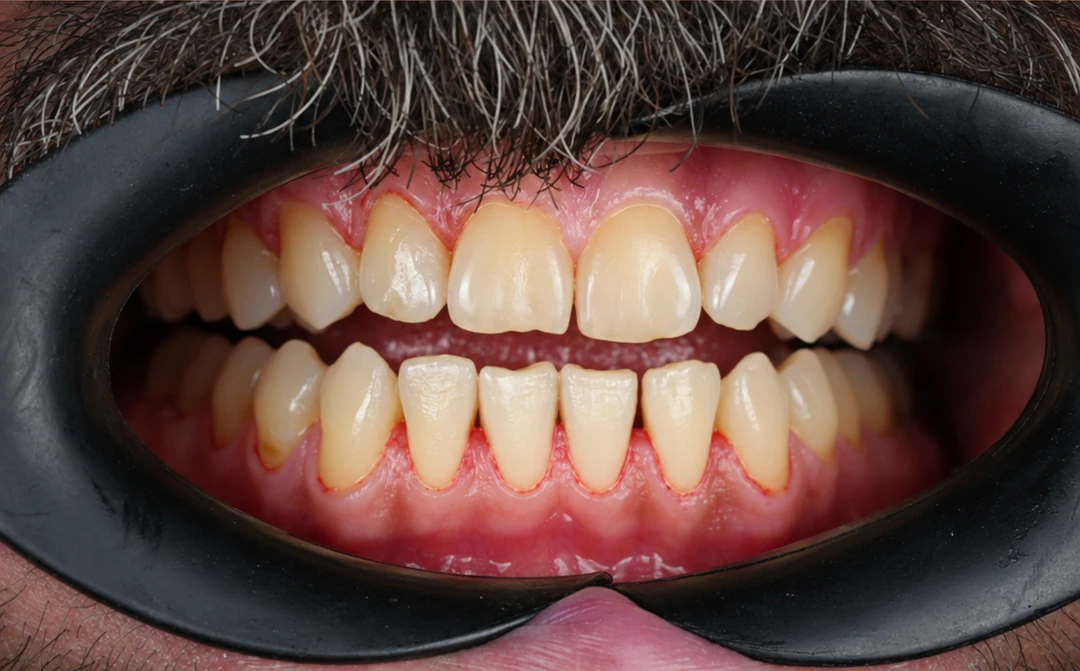
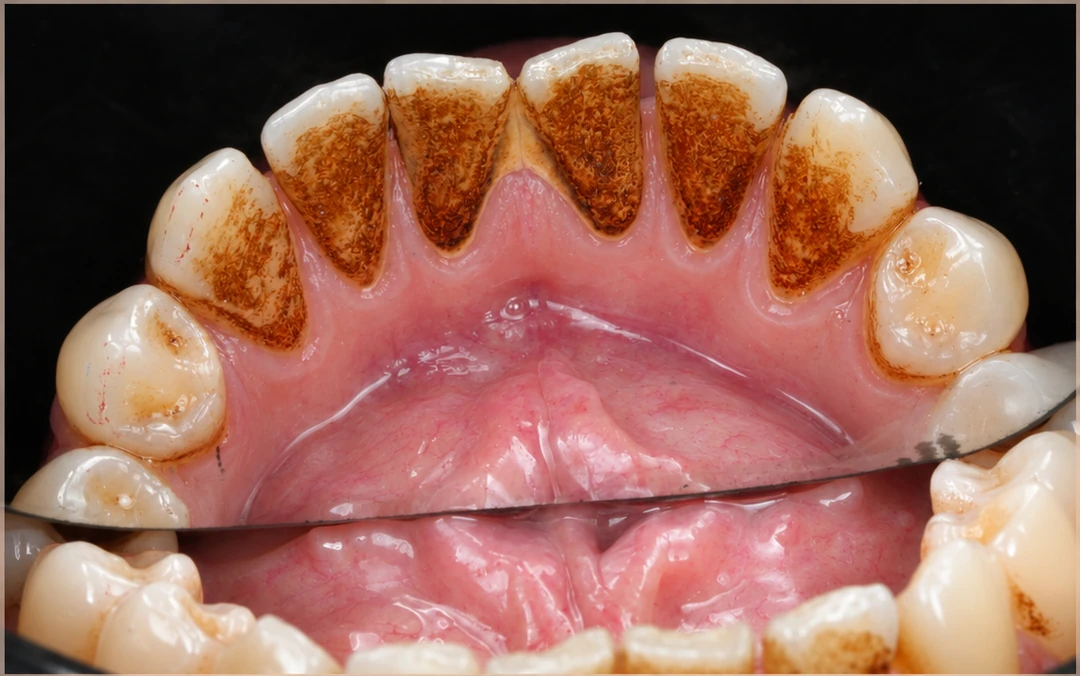
A hard deposit called tartar (calculus) and stains can build up on the teeth, especially along the gum line.
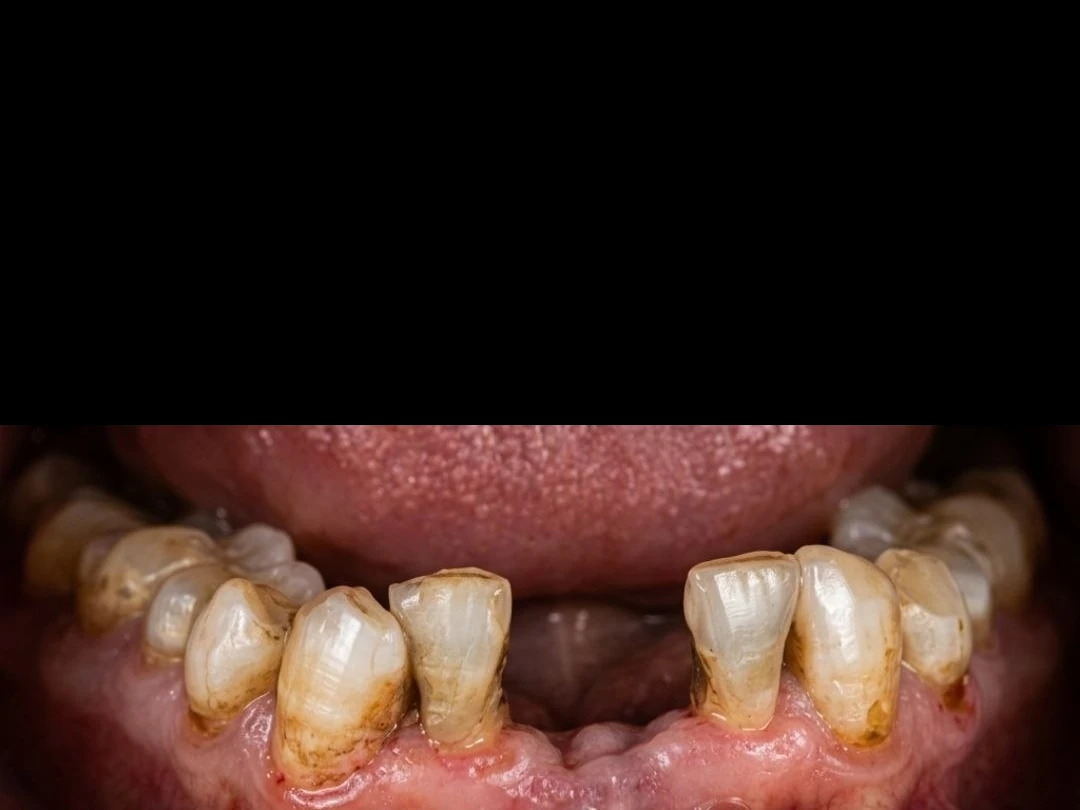
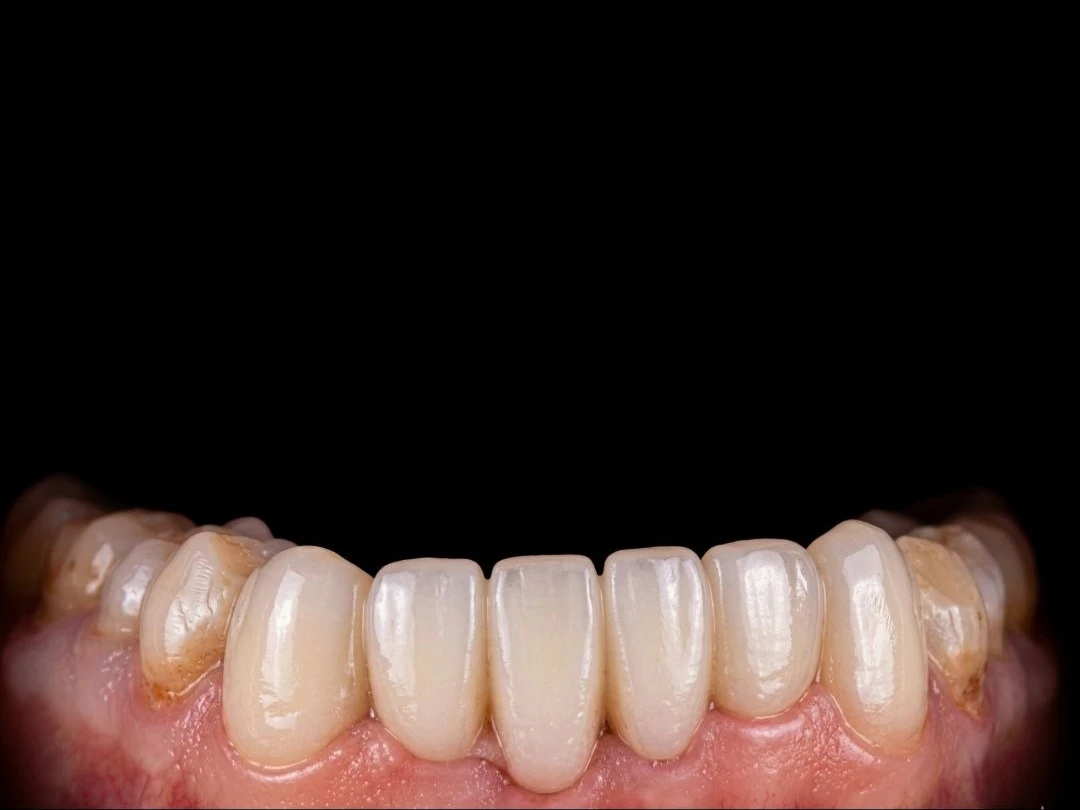
When a tooth is lost, the empty space matters beyond appearance. Over time the neighbouring teeth may tilt toward the space, the tooth opposite it may move toward the space, and the jawbone where the tooth was may shrink (alveolar bone resorption). That is why it is important to replace missing teeth.
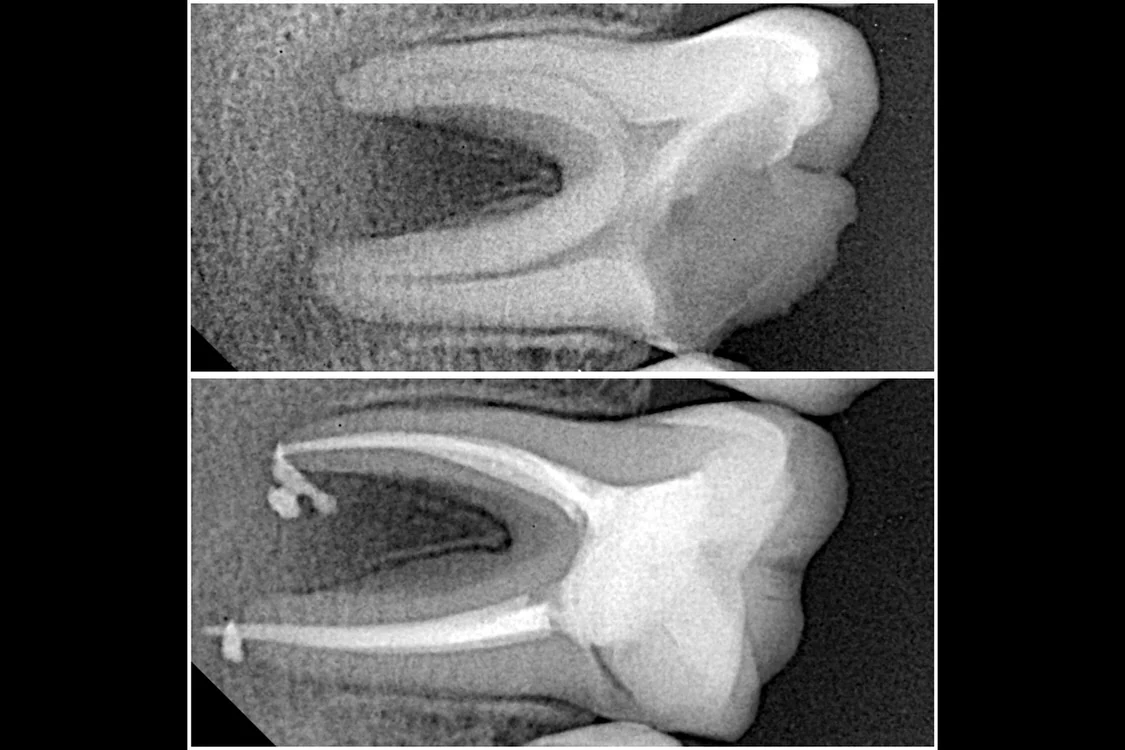
Pain can be linked to deep decay, a break or inflammation inside the tooth. Pain alone is not enough to know its cause.
If the pain is severe or comes with swelling, contact the clinic as soon as you can.
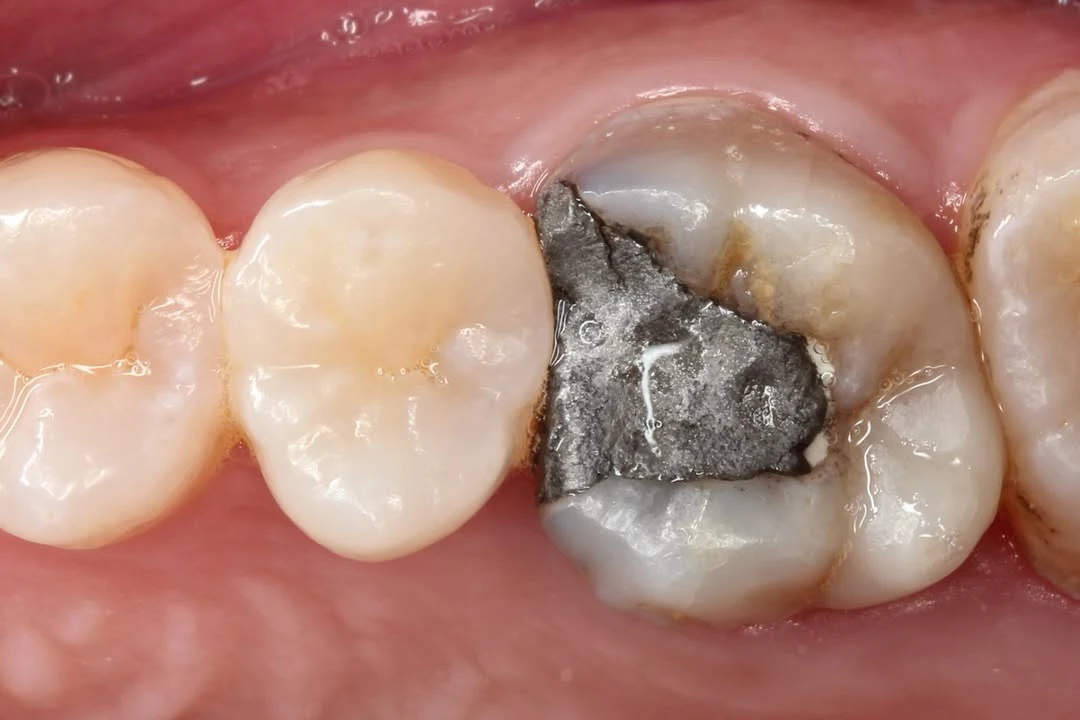
Old fillings and restorations can change over time, and you may notice a change in their colour or edges.
Clinical assessment
What the dentist evaluates
- The extent of the fracture
- The remaining tooth structure
- Whether the pulp is involved
- Existing fillings or restorations
- Occlusion (how the teeth meet)
- Clinical and radiographic findings when indicated
- The extent and depth of the damage
- The remaining tooth structure
- Whether the pulp is involved
- Existing fillings
- Occlusion (how the teeth meet)
- Radiographs when indicated
- The size and location of the gap
- The shape and size of the neighbouring teeth
- The condition of the gums
- Occlusion
- Radiographs when indicated
- How much tartar and staining there is, and where
- The condition of the gums
- How the mouth is cleaned at home
- The number and position of the missing teeth
- The condition of the neighbouring and opposing teeth
- The amount of bone and the condition of the gums
- Occlusion (how the teeth meet)
- Radiographs when indicated
- The nature of the pain and when it appears
- Examination of the tooth and gums
- Radiographs
- The condition of old fillings
- The condition of the filling edges
- Whether there is decay around it
- Occlusion
- Radiographs when indicated
Possible treatment options
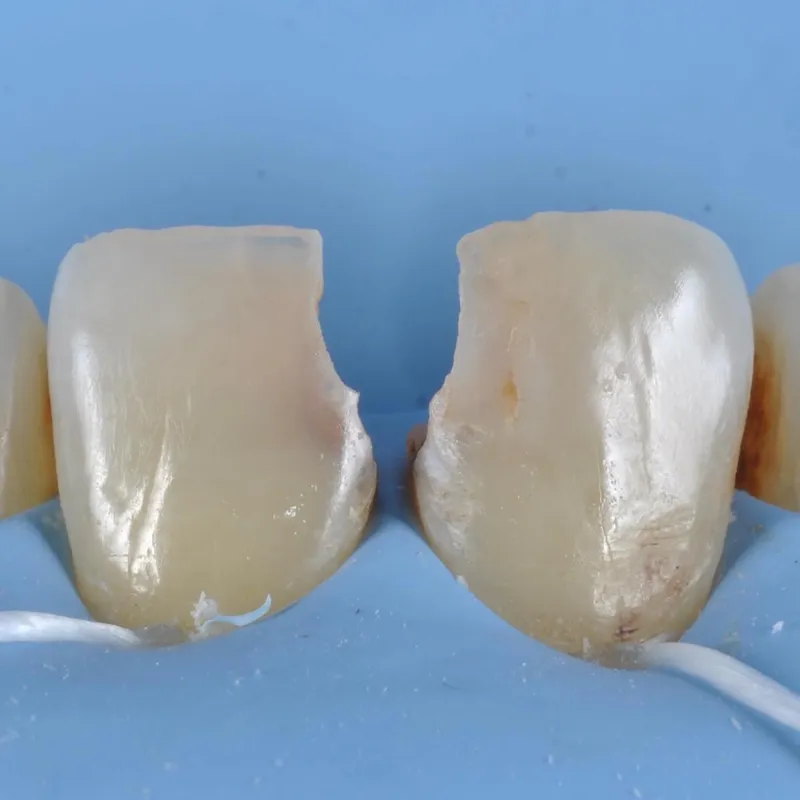
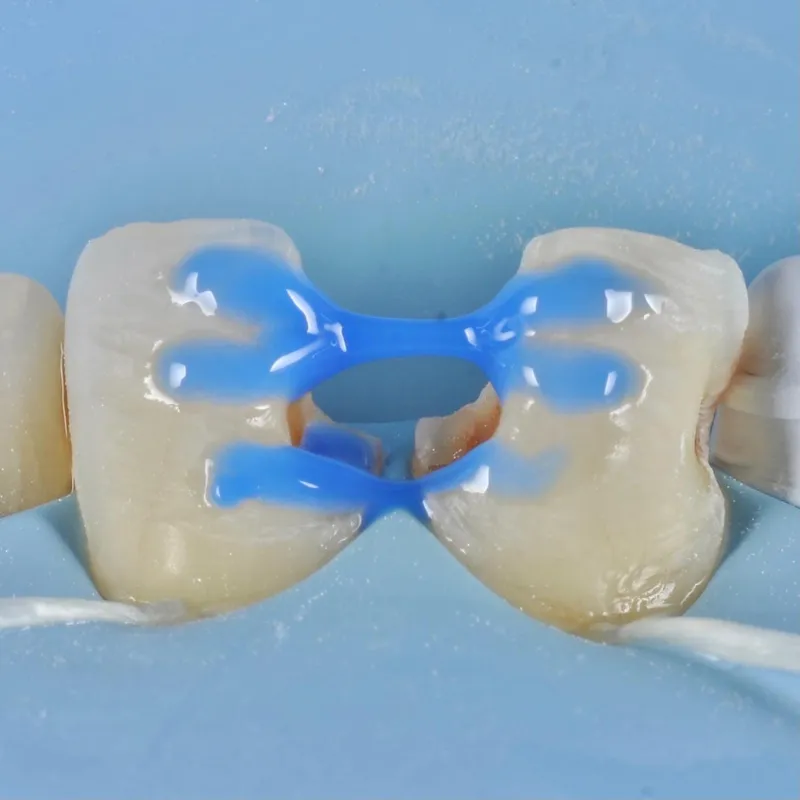
The options depend on the clinical examination. The dentist may discuss rebuilding the broken part with a tooth-coloured filling, or other options that suit the size of the break and the condition of the tooth.
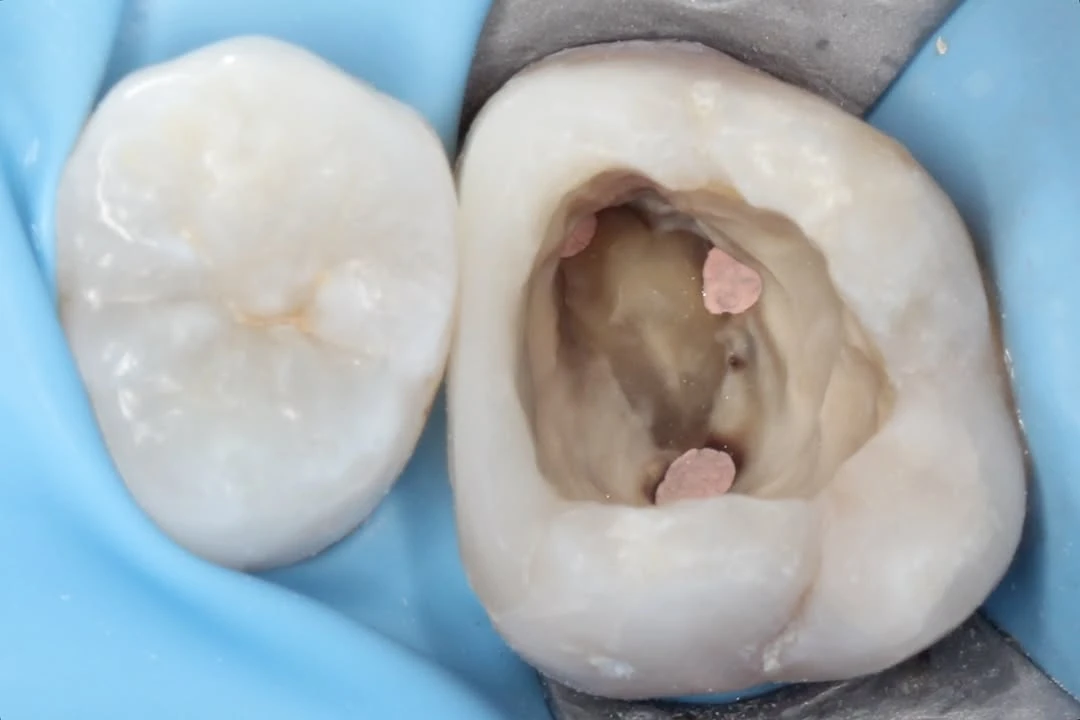
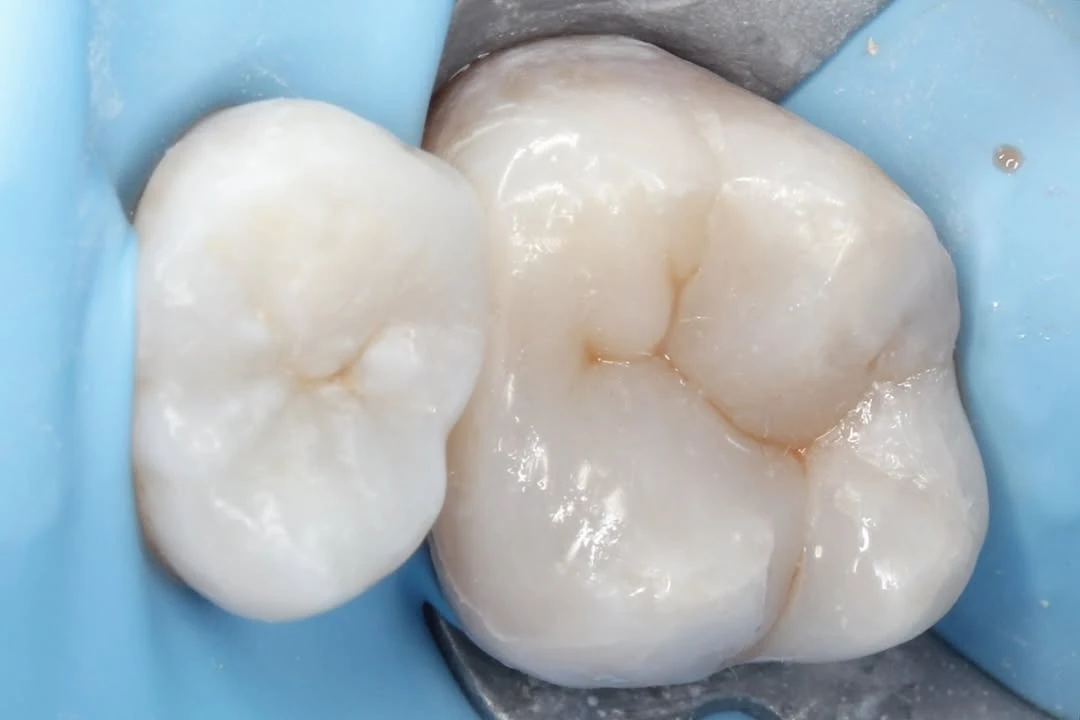
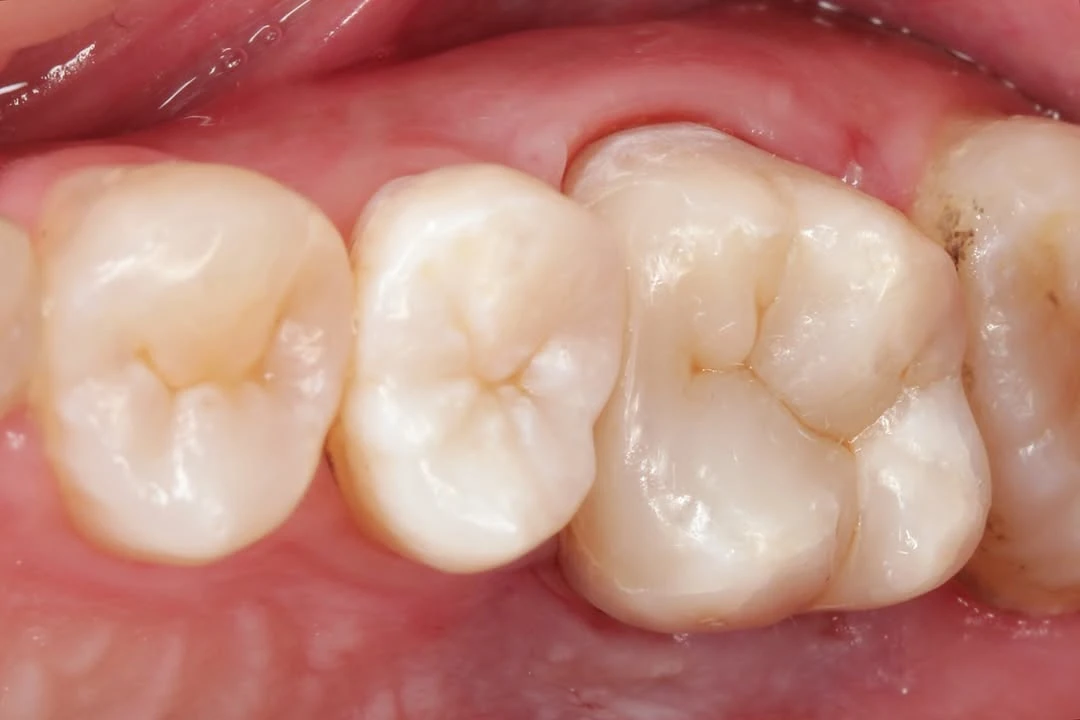
After the examination, the dentist may discuss restoring the molar with a filling or a larger restoration, and root canal treatment may be an option if needed.
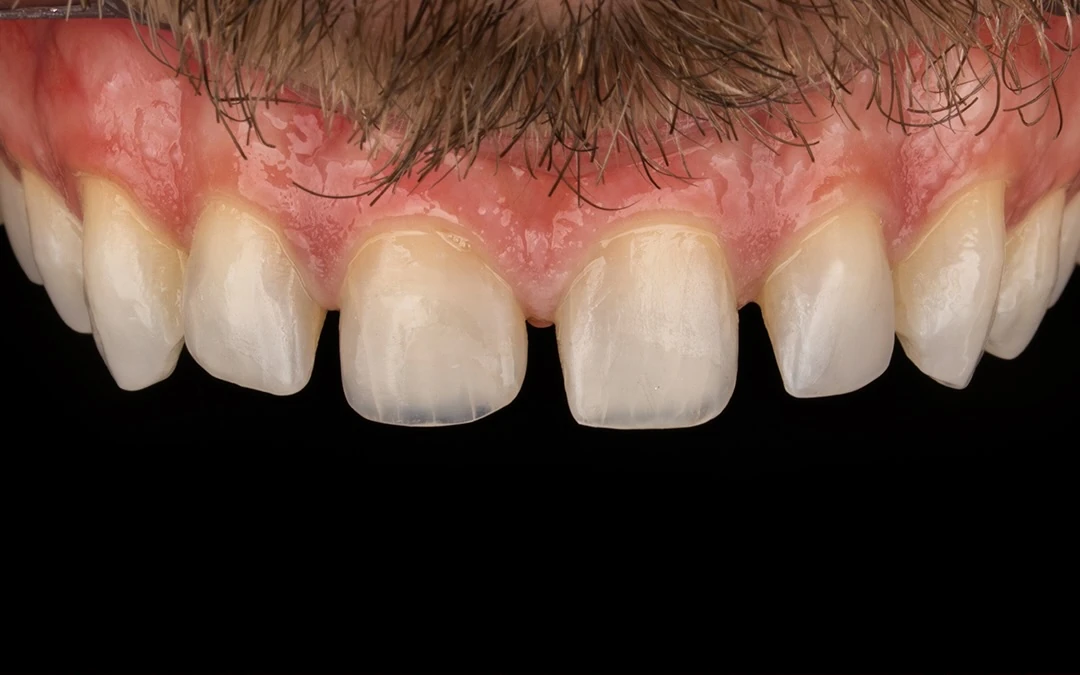
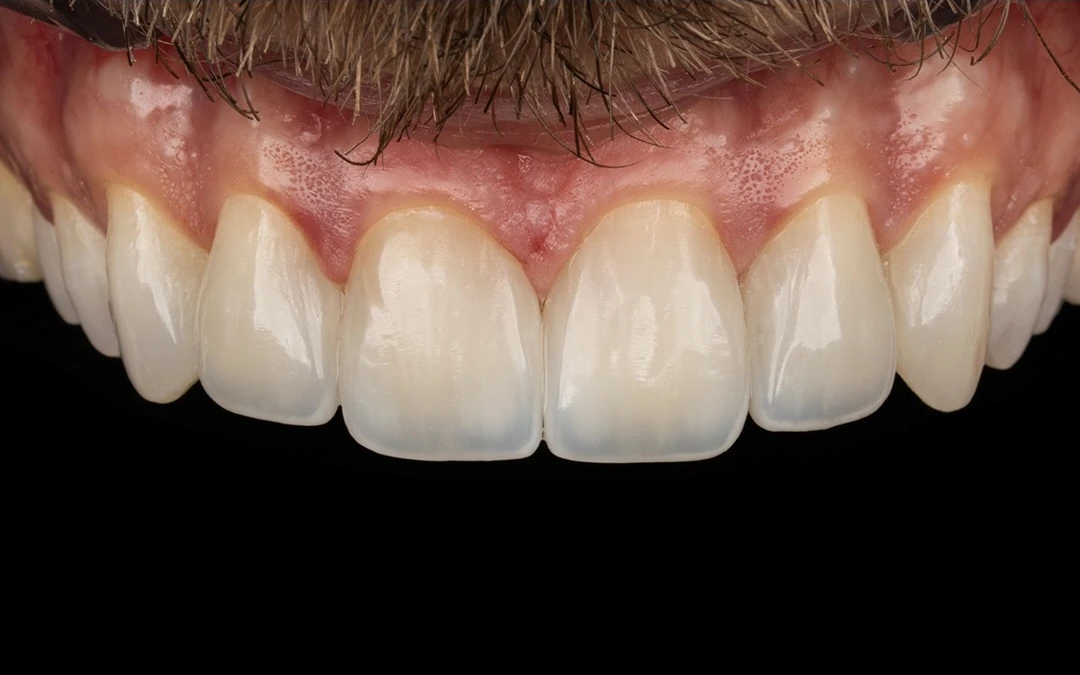
The dentist may discuss closing the gap with a tooth-coloured material, or other options depending on the cause of the gap and the examination.
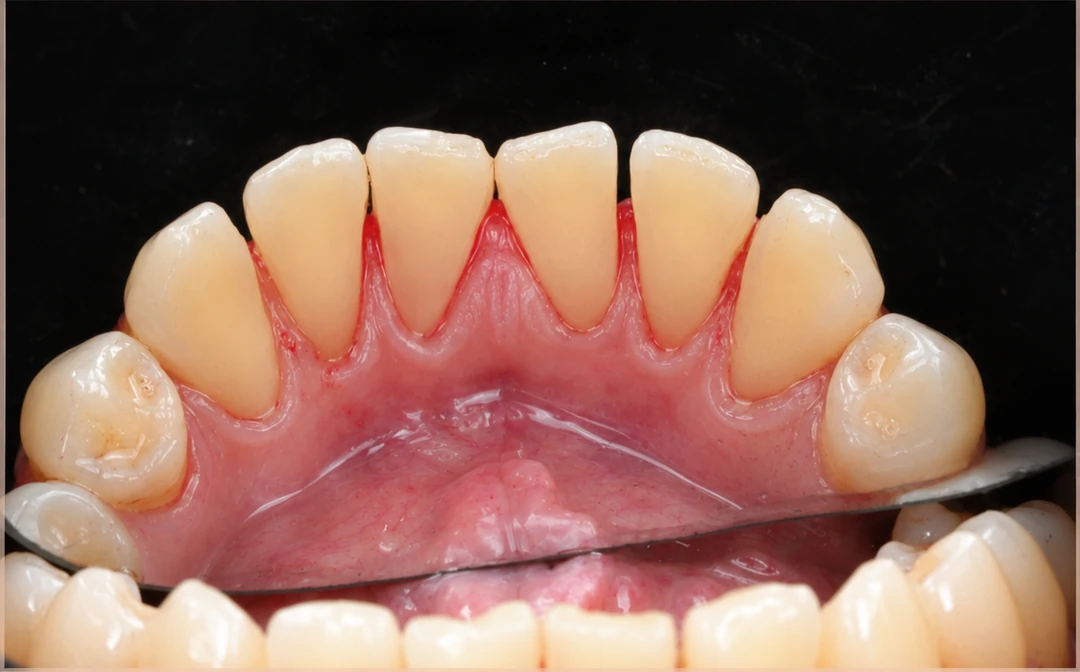
The treatment for tartar and staining is cleaning off the tartar and removing the stains by polishing. After that, keeping the mouth clean is the patient's part: cleaning the teeth and the tongue and using dental floss three times a day.
Missing teeth can be replaced with a fixed prosthesis (a dental bridge), a removable prosthesis (a removable partial denture), or dental implants. The dentist discusses with you what suits your case after the examination.
After the examination and radiographs, root canal treatment may be one of the options, and there may be others depending on the case.
The dentist may discuss monitoring the restoration as it is, repairing it or replacing it, depending on the examination.
The treatment journey
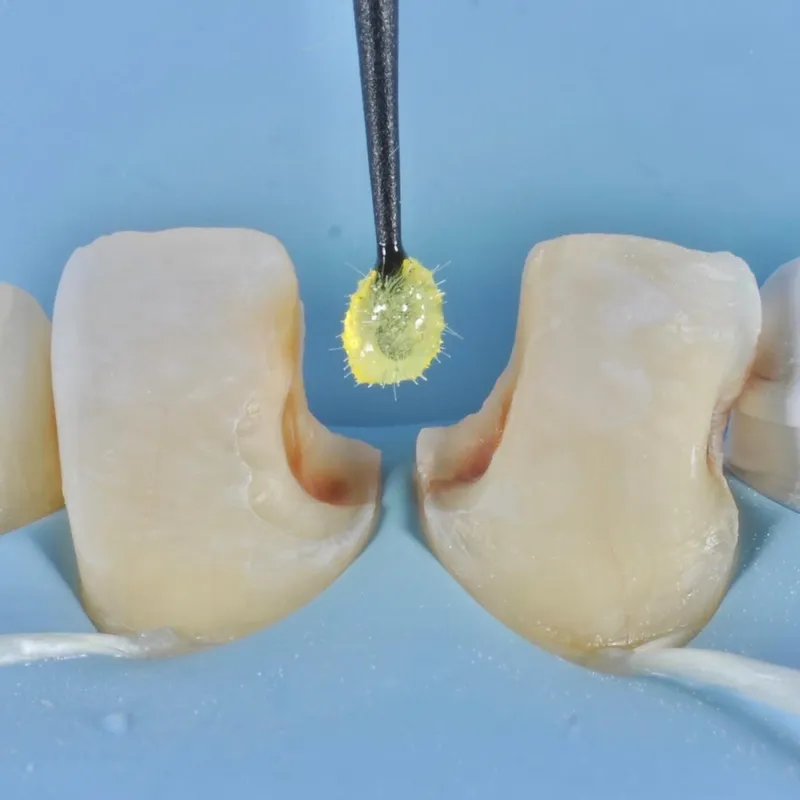
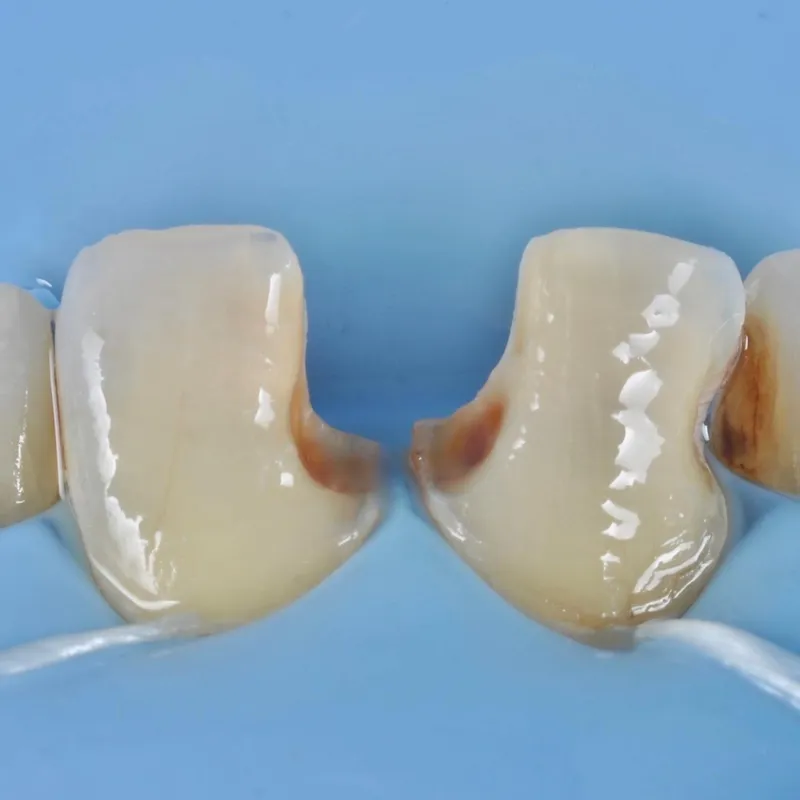
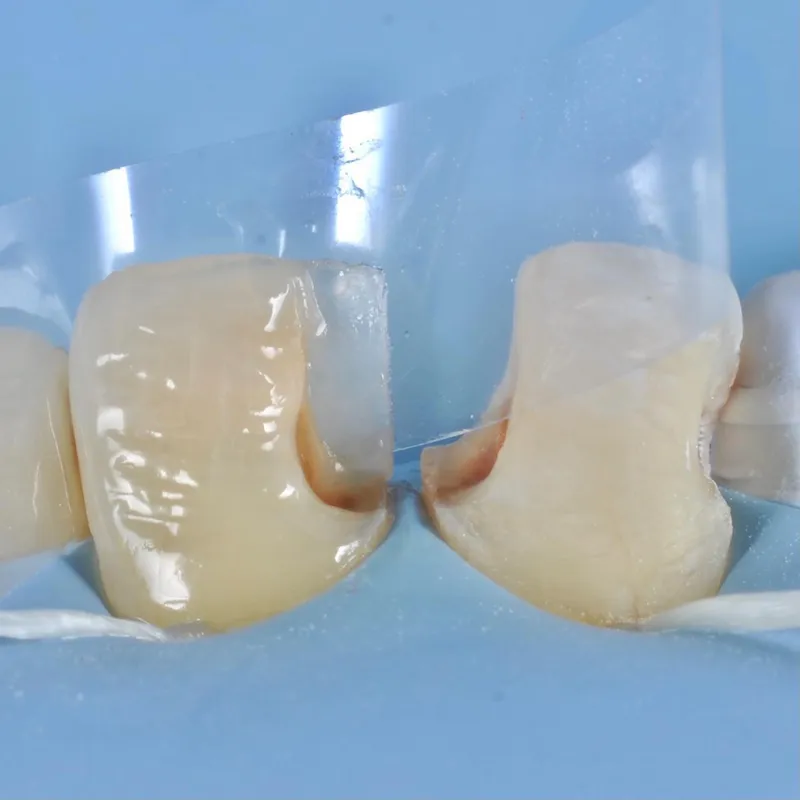
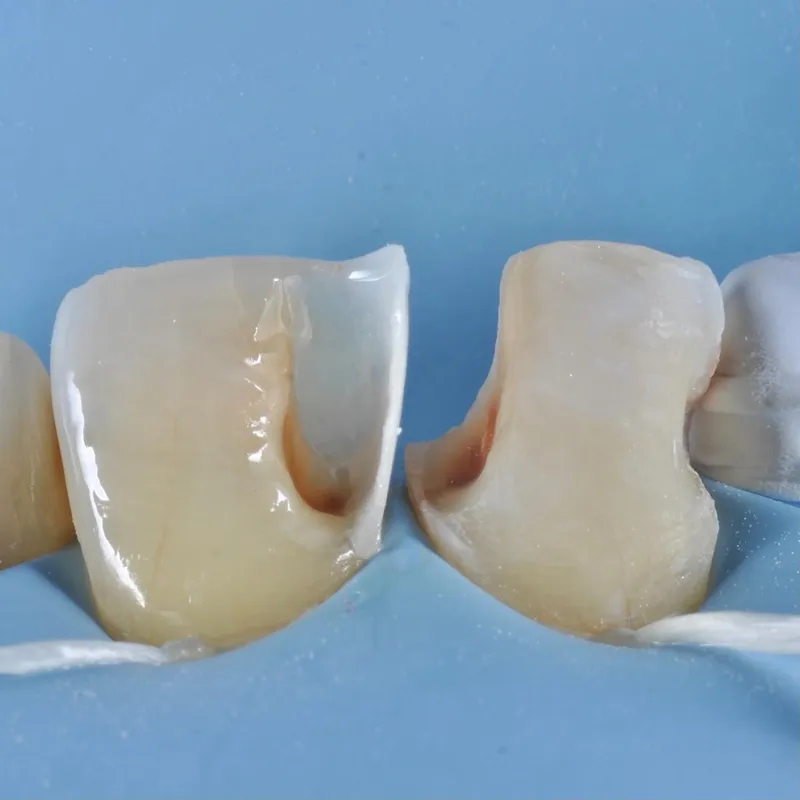
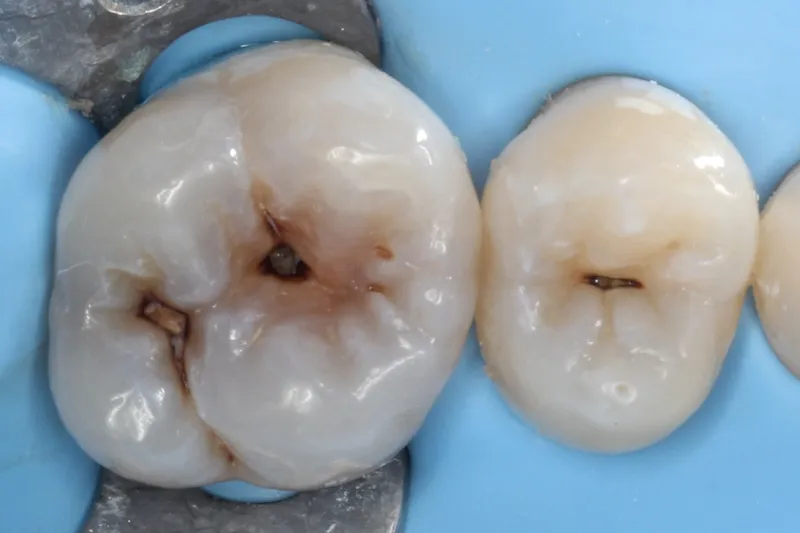
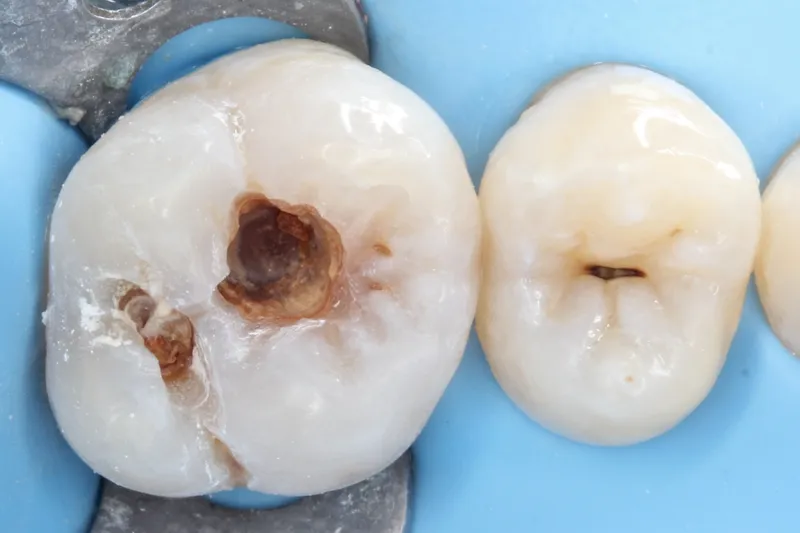
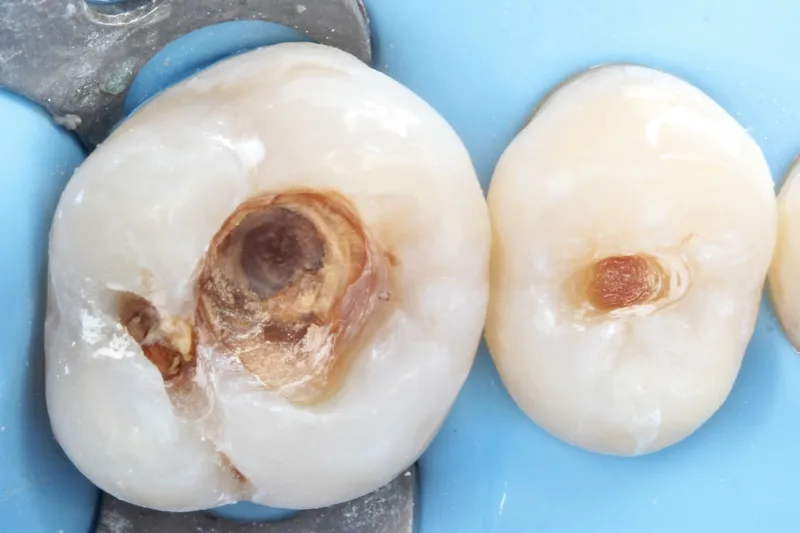
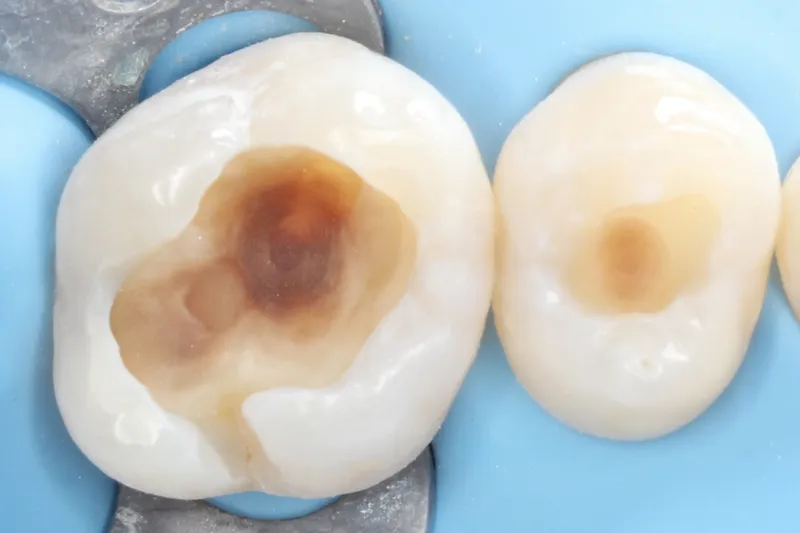
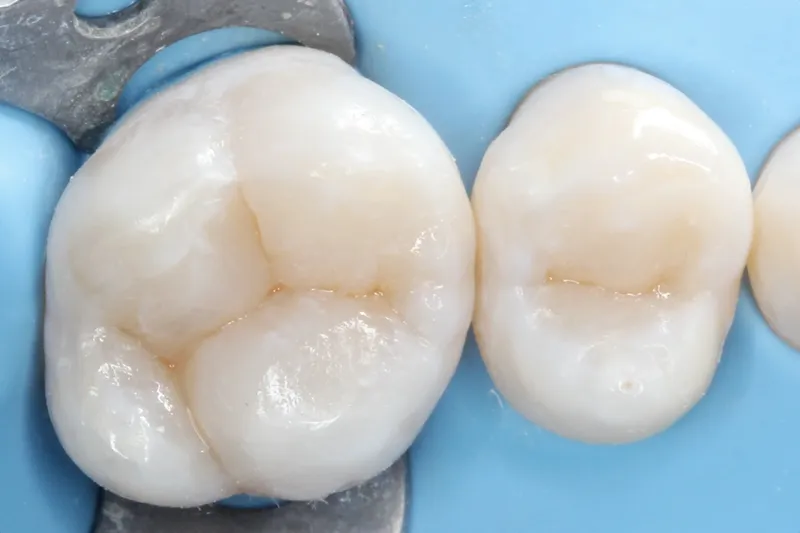
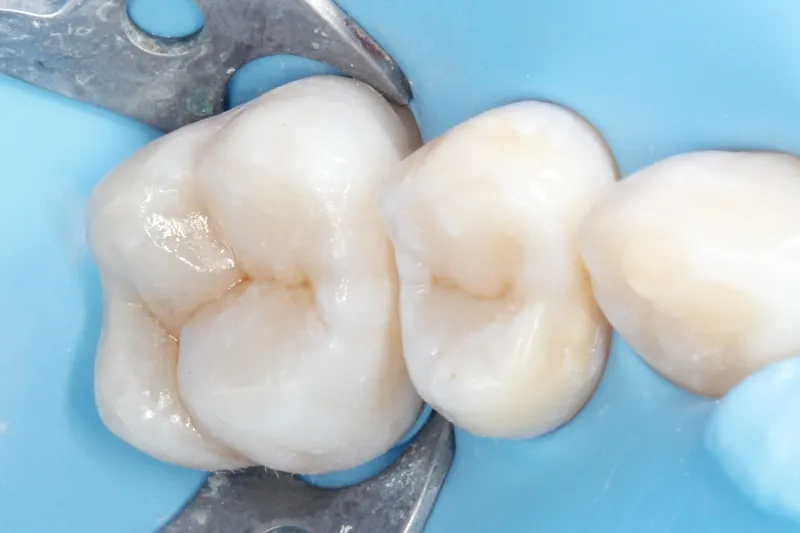
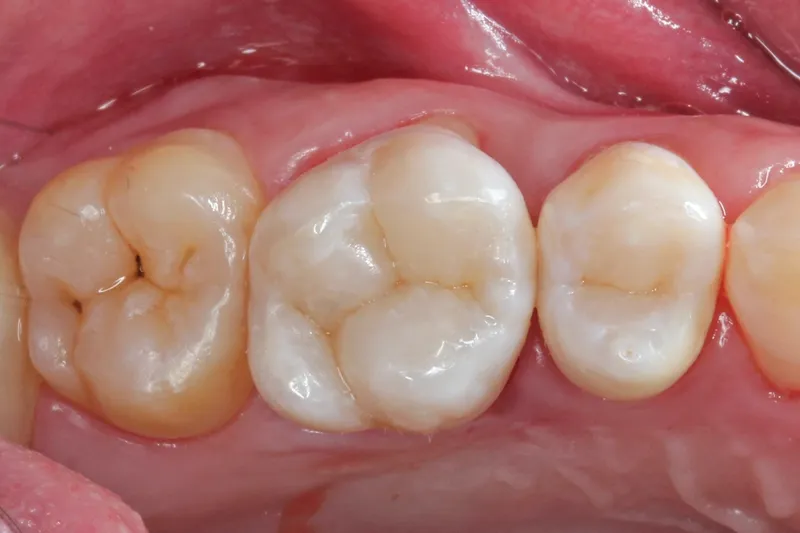
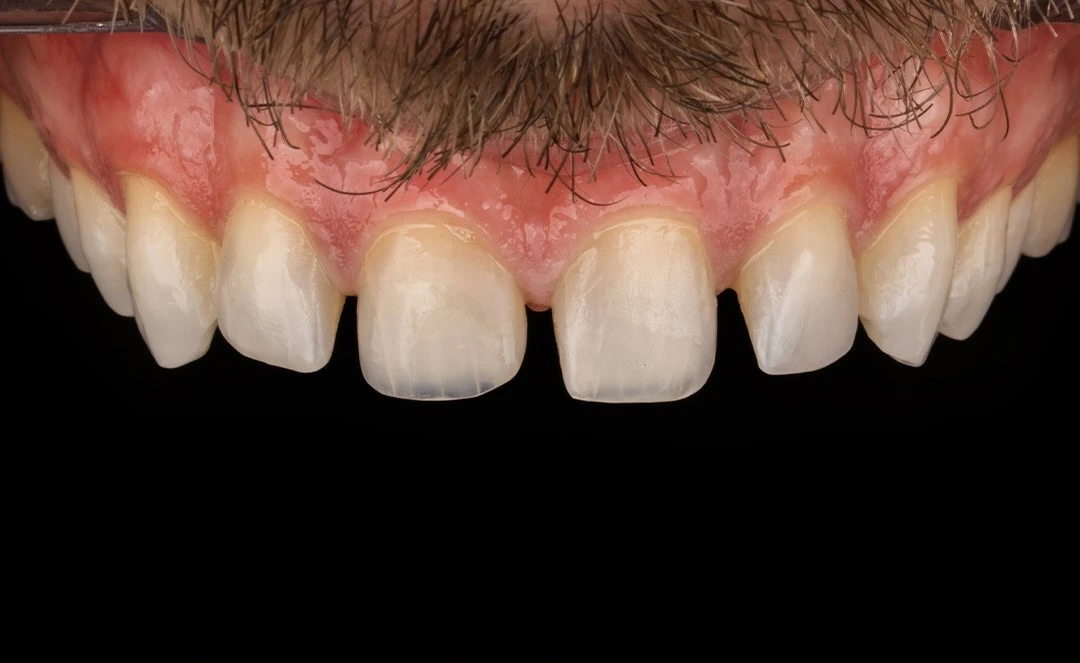
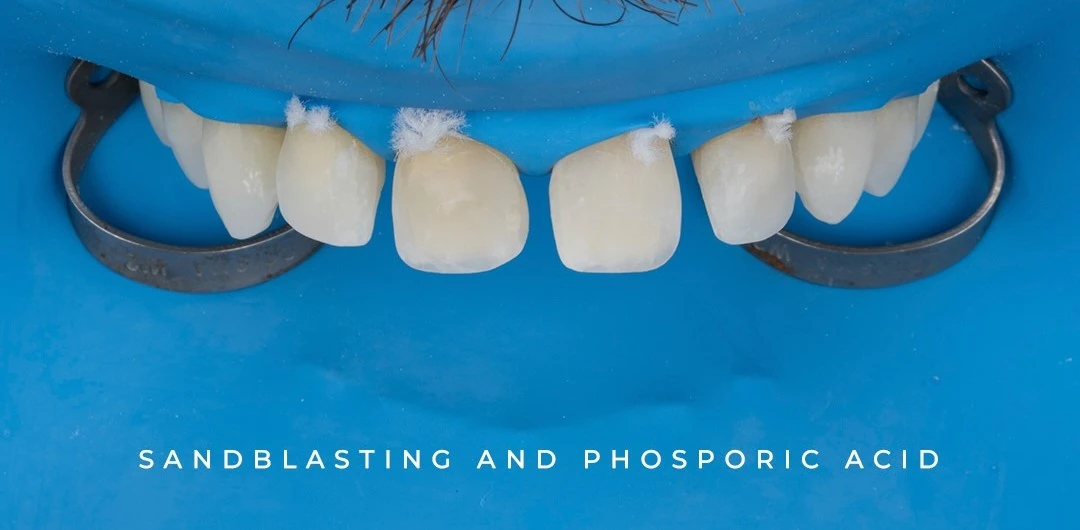
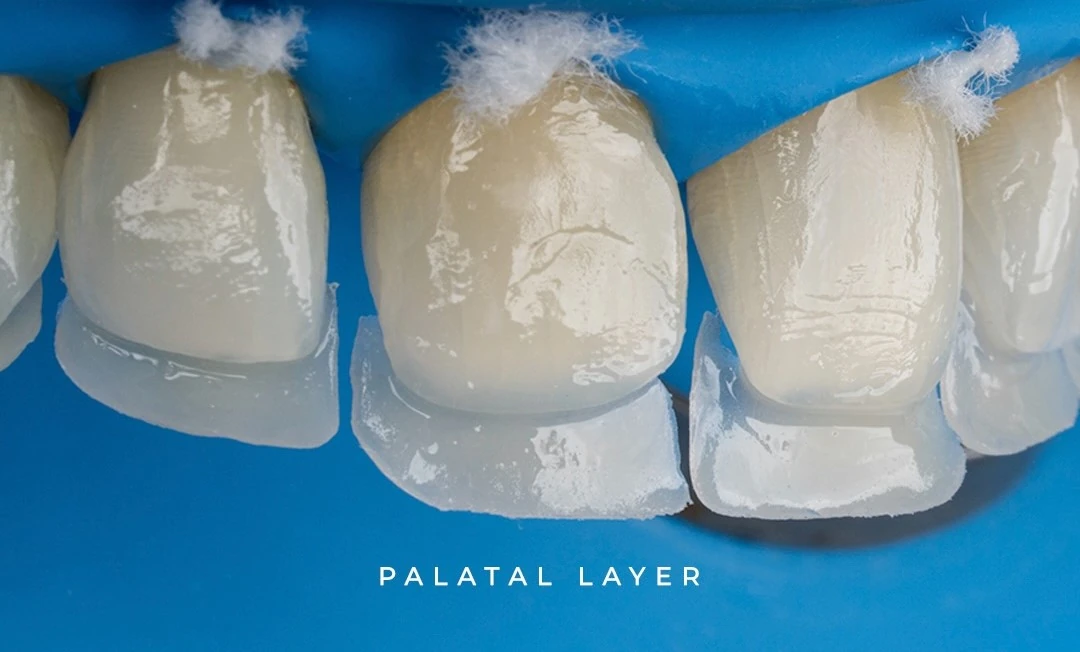
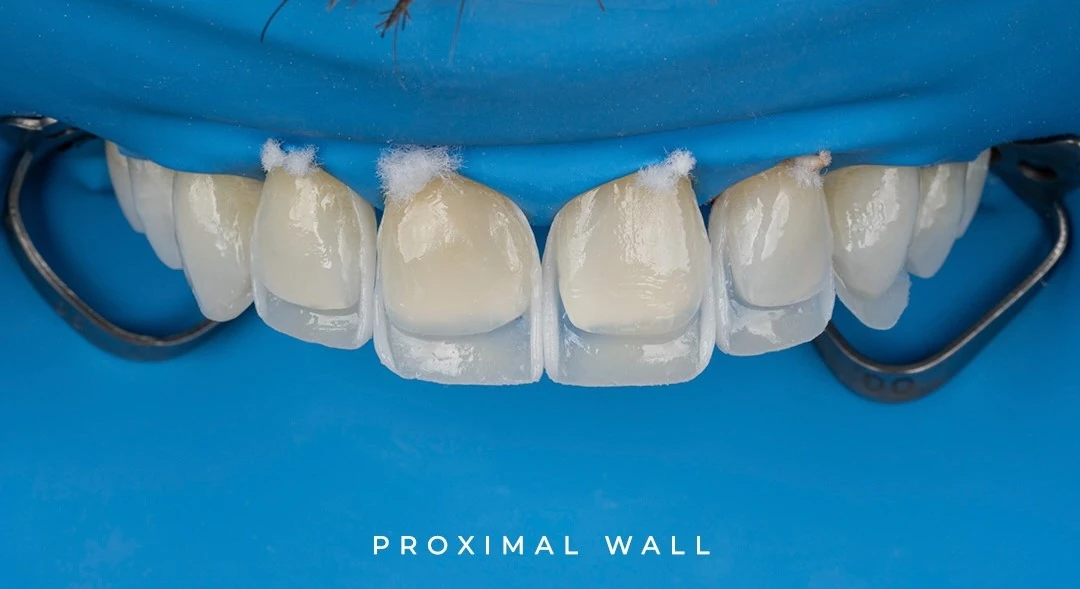
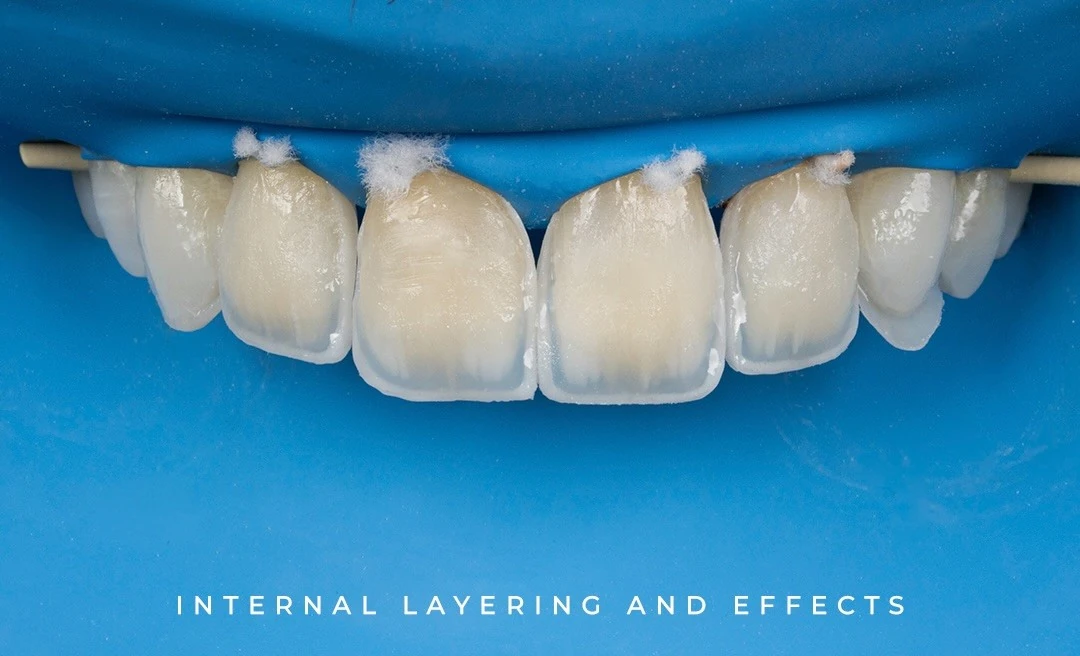
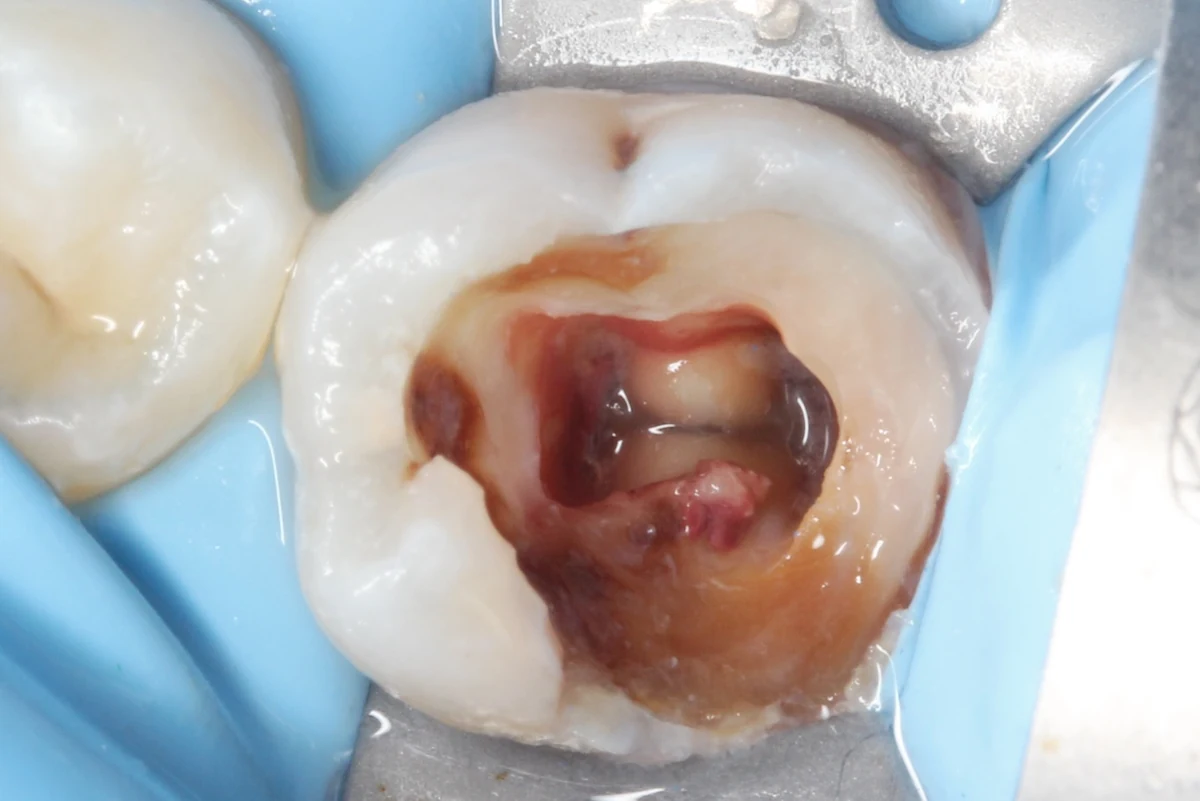
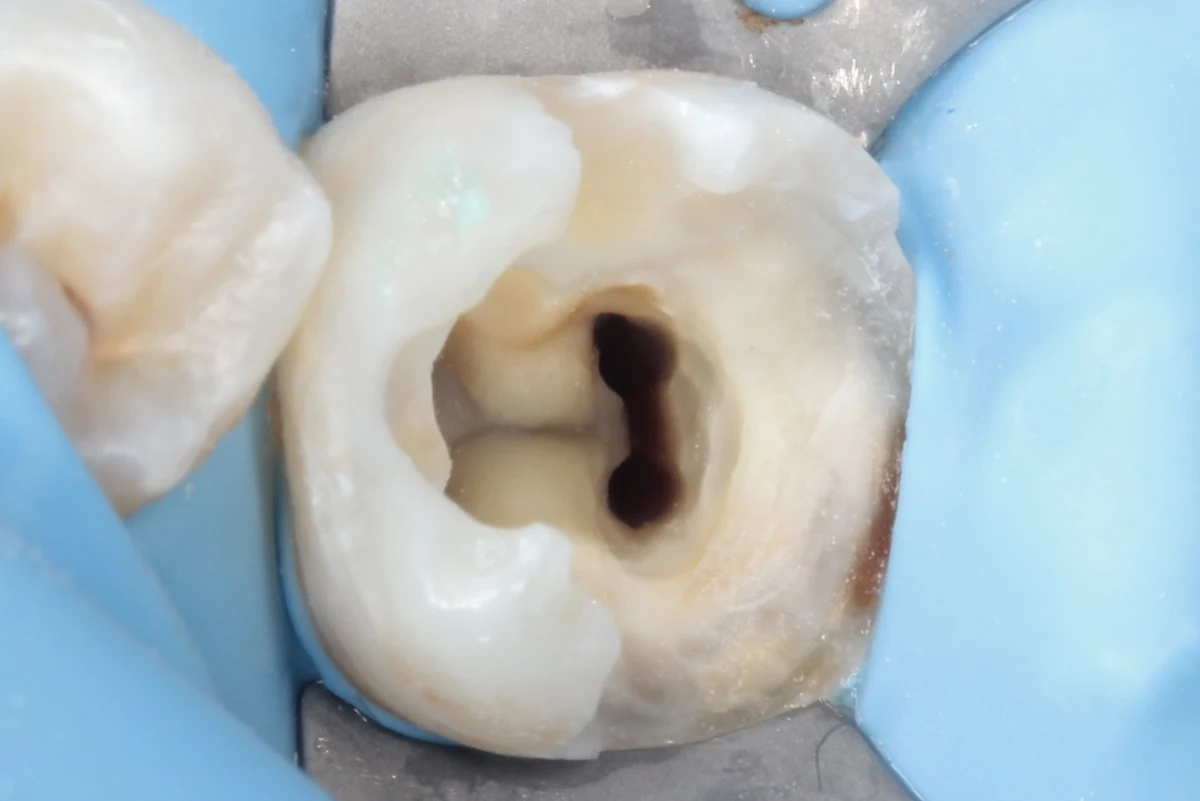
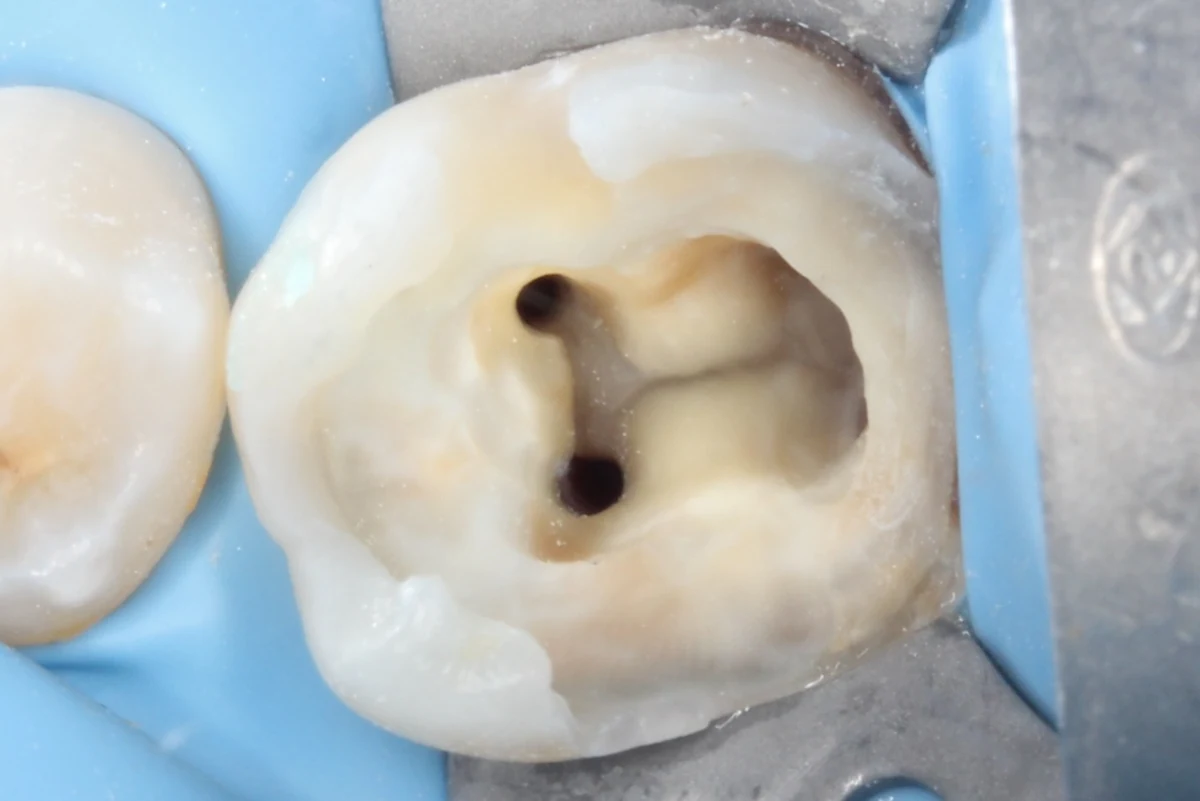
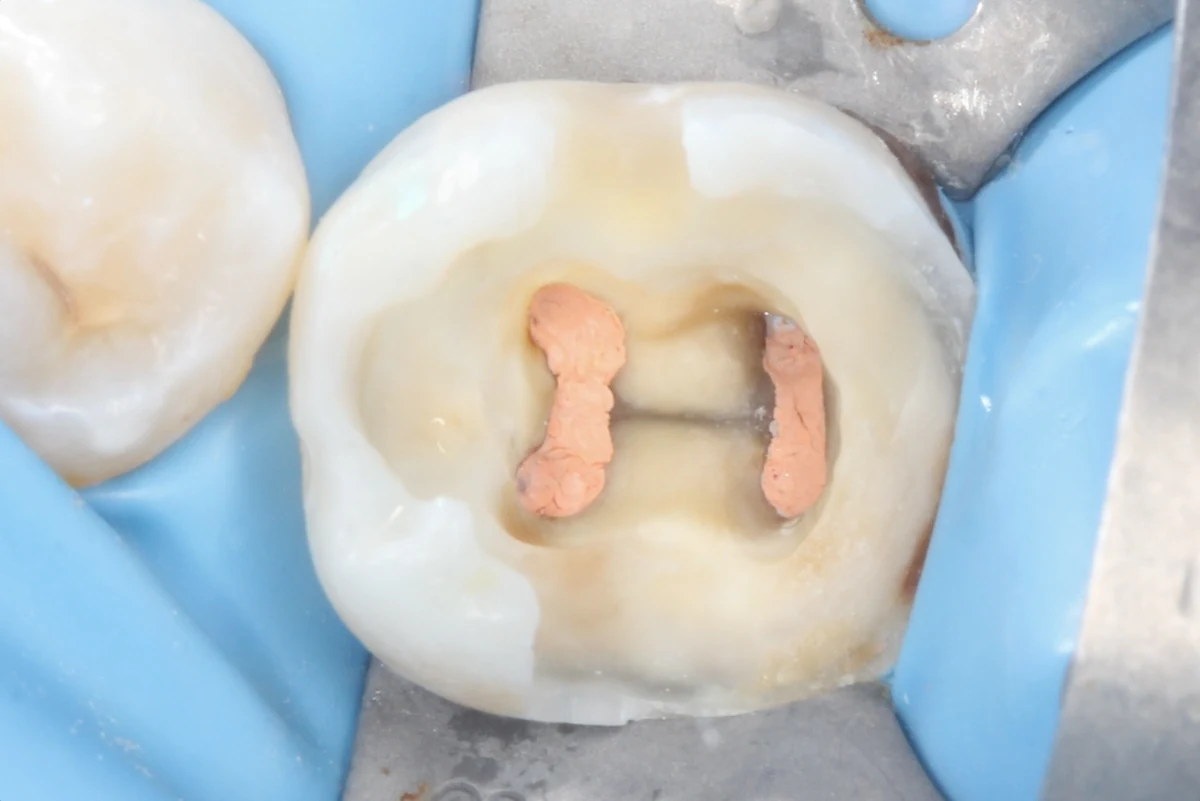
What happens next
A personal assessment happens at an in-person clinical examination.
Contacting us does not by itself book or confirm an appointment.
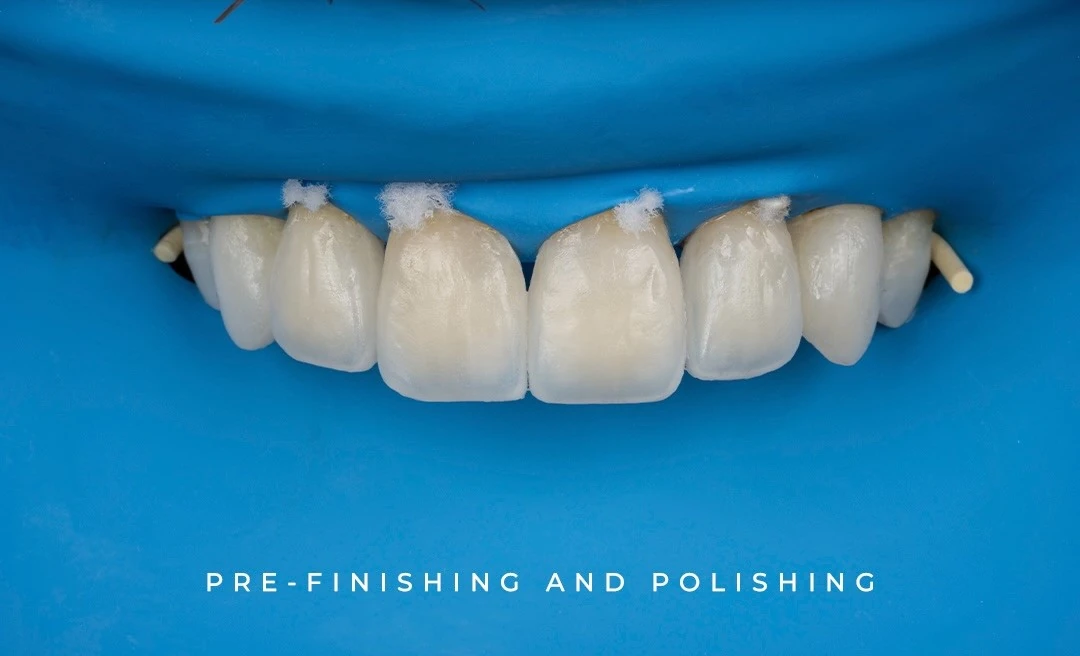
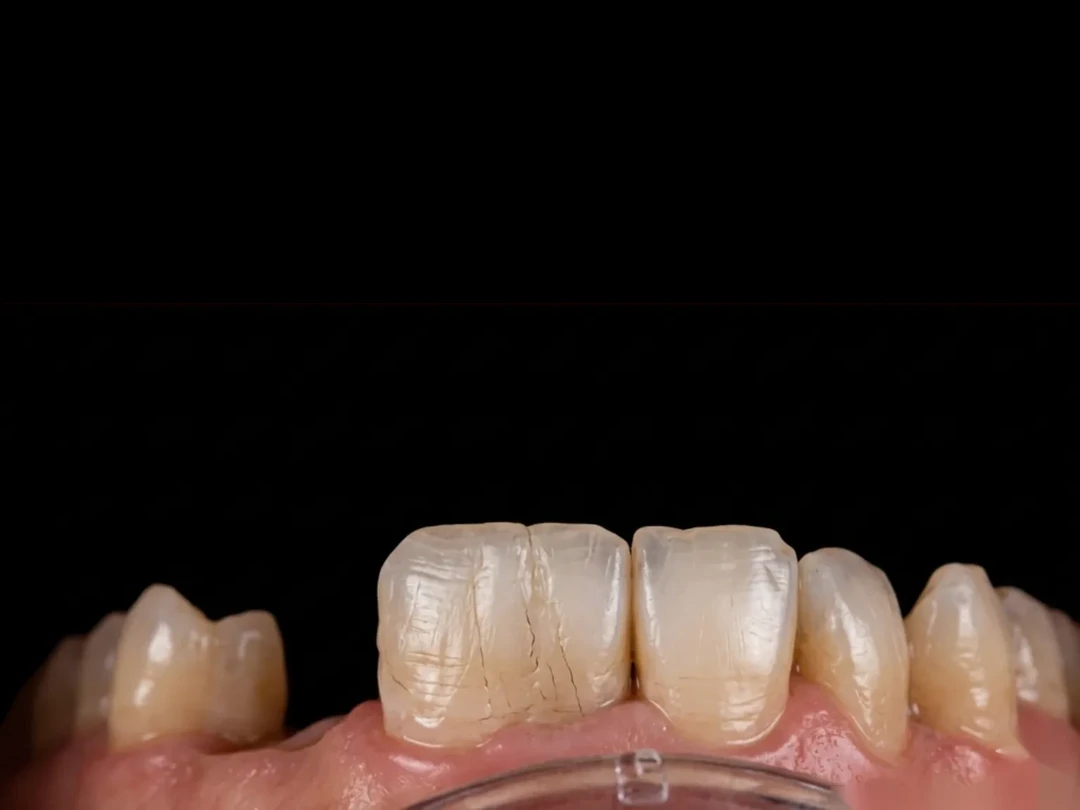
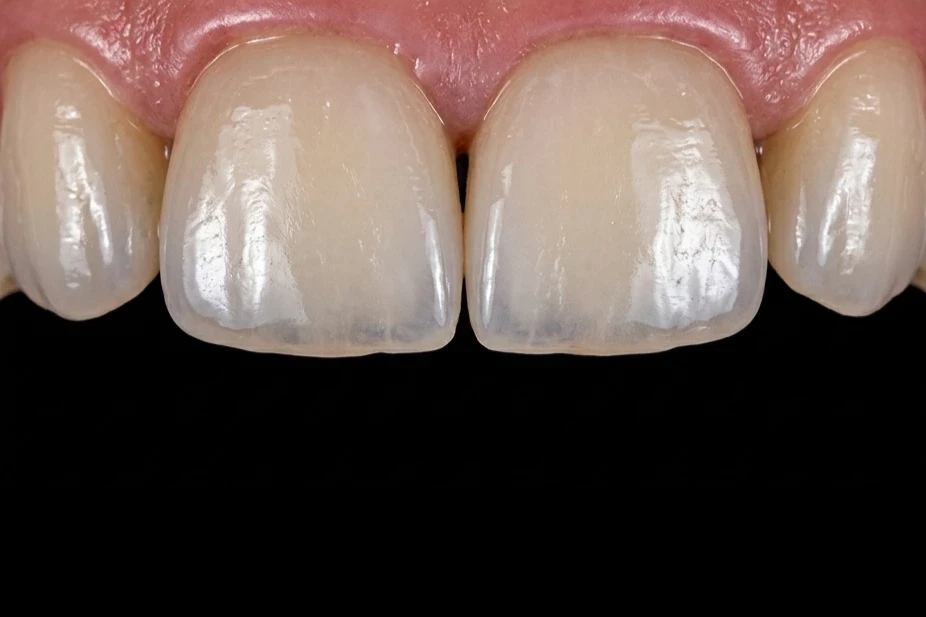
The images and stages shown are for illustration and education only. The treatment plan and the expected result are determined after a clinical examination.
About the clinic
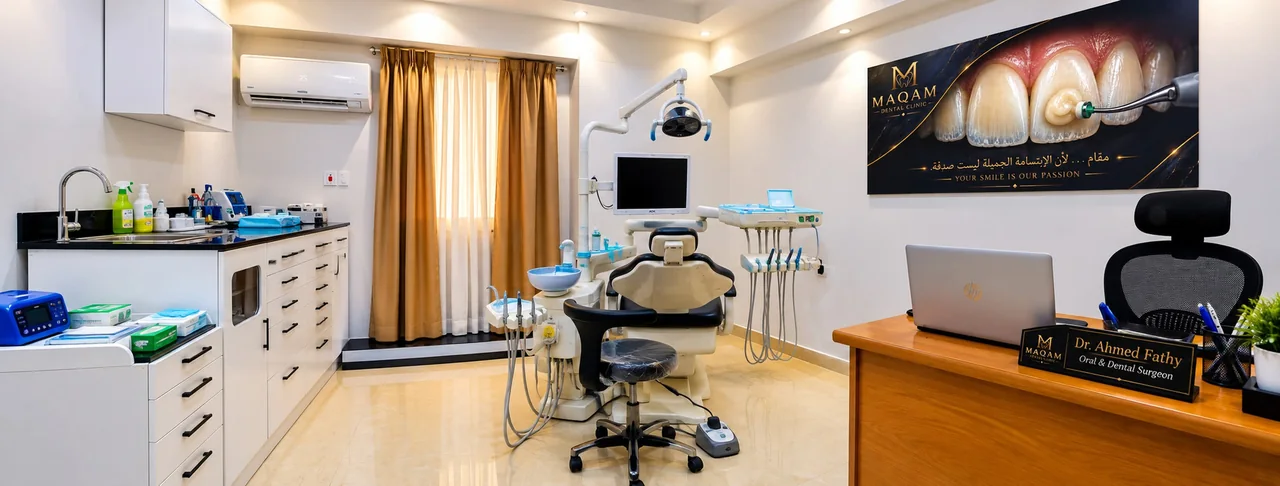
We chose the name Maqam as a promise that every patient has a place of honour with us. Our slogan: "Maqam: because your standing is high with us." We listen to you, we explain, we treat you like family, and we check on you after treatment.
The clinic is white and well organised, the sterilisation room and the treatment room are tidy, and we take care of the cleanliness of the place and its instruments.
Treatments
Our treatments
- Direct Composite VeneersReshaping and improving teeth with tooth-coloured composite, built directly on the tooth.Cosmetic
- Smile DesignPlanning the smile from canine to canine before treatment, with a trial model you can try yourself.Cosmetic
- Dental ProsthesesReplacing damaged or missing teeth with restorations that are fixed onto teeth or implants.Prosthetic
- Restorative & Root CanalRemoving decay and closing the space with a tooth-coloured filling so the tooth can work again. Removing the inflamed or damaged nerve, cleaning the root canals, then sealing them.Restorative
Before and after
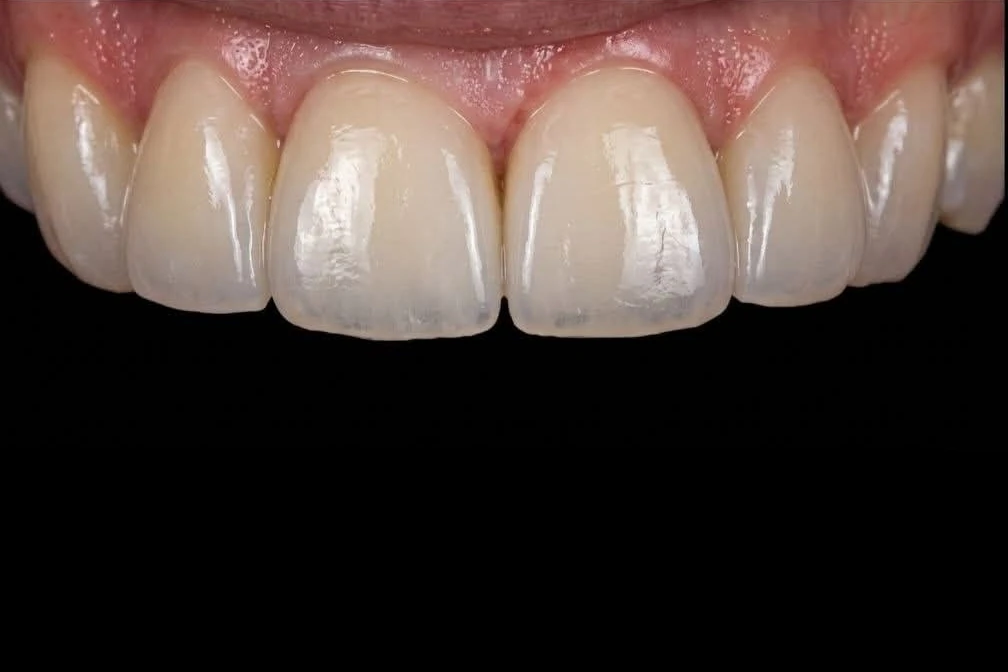
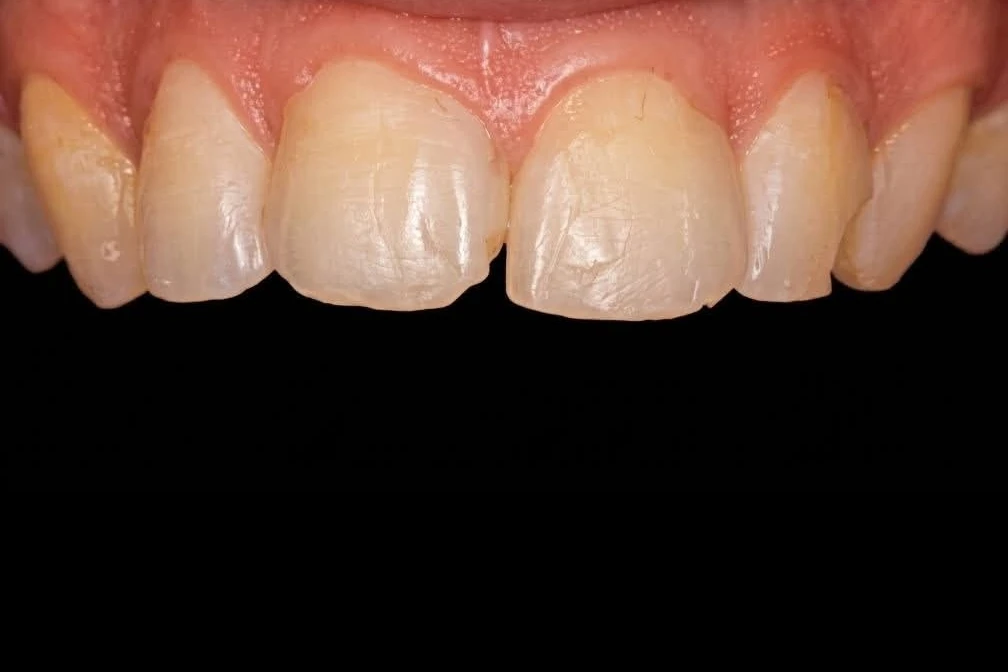
Your first visit, step by step
- 1Listening to you
- 2Examination and photographs
- 3Showing and explaining your case on screen
- 4The plan and its cost
- 5Treatment once you agree
- 6Follow-up and checking on you afterwards

Your dentist
Dr. Ahmed Fathy
General Dentist
Graduate of the Faculty of Dentistry, Ahram Canadian University.
More than six years of clinical experience in dentistry, with a particular interest in cosmetic dentistry and cosmetic specialities.
What you will find at Maqam
A graduate of the Faculty of Dentistry, Ahram Canadian University, with more than six years of clinical experience.
A white, well-organised clinic where we take care of the cleanliness of the place and its instruments.
We work Saturday to Thursday, 5 pm to 9 pm, in Helwan.
We follow up on your case after treatment, and we may send you a WhatsApp message to check on you.
Questions we are often asked
Will the anaesthetic hurt?
The anaesthetic is no longer as painful as it used to be. We first apply a topical anaesthetic gel where the injection will go, which reduces the sensation a lot, and in most cases the patient does not even feel the prick of the needle; if they feel anything, it is very mild.
Does the anaesthetic take long to work?
No. The anaesthetic usually works within a few minutes, and while we prepare our instruments it has already started to take effect.
Is root canal treatment painful?
The aim is for the nerve to be completely numb during the work so that you feel nothing. In some cases, when a patient comes late and the inflammation has reached a high level, we make additional effort to reach full numbness, and we may inject inside the nerve itself so the patient is comfortable and we can work well.
Does a composite filling fall out?
If the filling is done correctly it lasts for a long time. This depends on the quality of the material used and on the dentist's work.
Is a direct composite veneer strong, and can I eat and drink on it?
Yes. Once the composite hardens under light it becomes strong, and you can eat, drink and use it as normal. It needs regular follow-up, a check every six months to a year, so we can make sure it is in good condition and repair anything if needed.
What is the difference between direct veneers and E.max (indirect veneers)?
With direct veneers we build the teeth with composite ourselves in the clinic, while E.max is made in a laboratory and needs measurements and a laboratory stage, so its cost is higher. Direct veneers need more maintenance. Both types can last for years.
Does contacting the clinic mean booking an appointment?
No, contacting us does not by itself book or confirm an appointment.
What are the working hours?
Saturday to Thursday, 5 pm to 9 pm (closed on Fridays).
Where is the clinic?
Al-Maraghi Street, above B.TECH, Al-Saraya Tower, 4th floor, Helwan, Cairo.
How can I contact you?
By WhatsApp or by phone on +20 122 464 3430.
Will you explain my case and the cost of treatment before I start?
Yes. We show you your case on screen and explain the plan and its cost so you can decide knowing it all.
Visit us
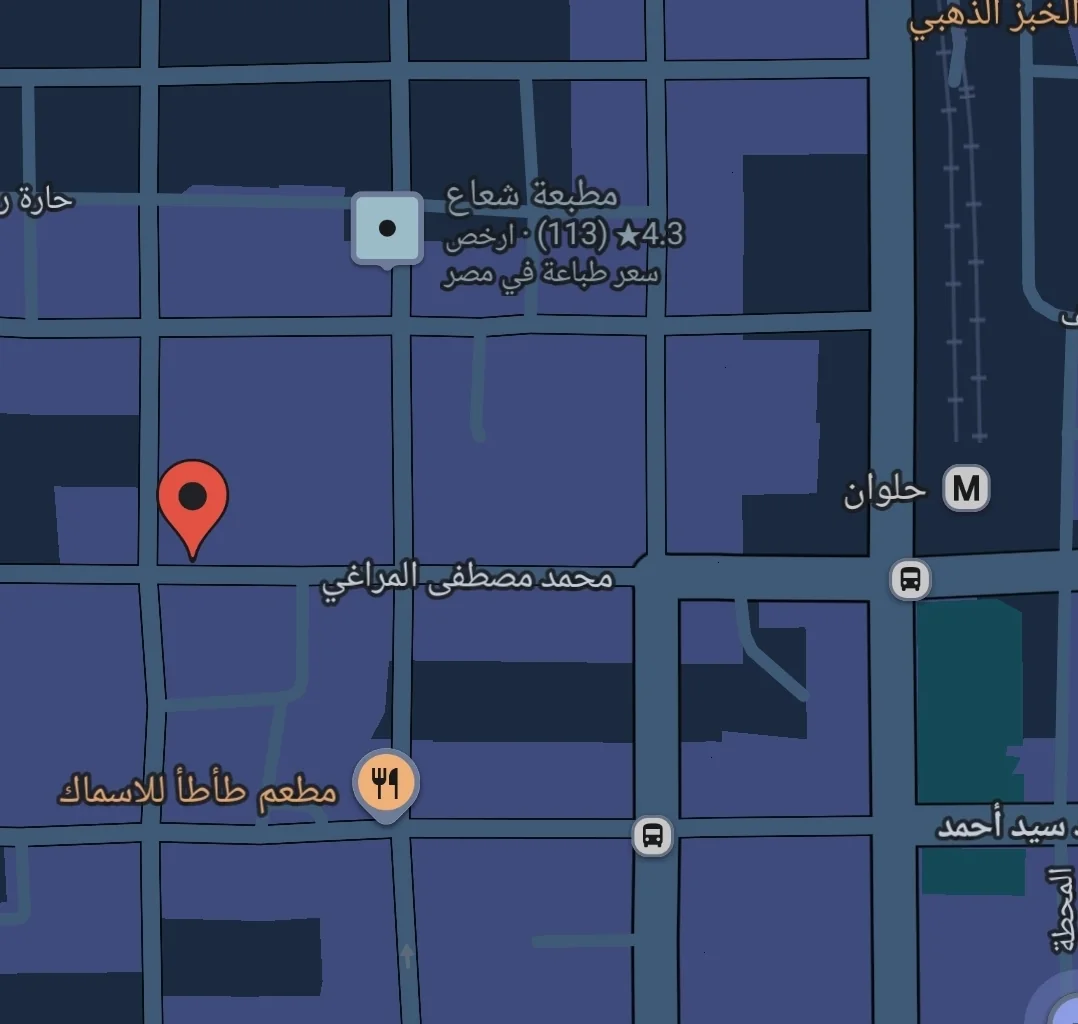 Map data © Google Open in Google Maps (opens in a new tab)
- LocationAl-Maraghi Street, above B.TECH, Al-Saraya Tower, 4th floor, Helwan, Cairo
- Phone+20 122 464 3430
- WhatsApp+20 122 464 3430 (opens WhatsApp)
- Working hoursSaturday to Thursday, 5 pm to 9 pm (closed on Fridays)
Contacting us does not by itself book or confirm an appointment.
A conversation is the first step.
Contacting us does not by itself book or confirm an appointment.
General information only. A dental assessment is needed for advice about your case.