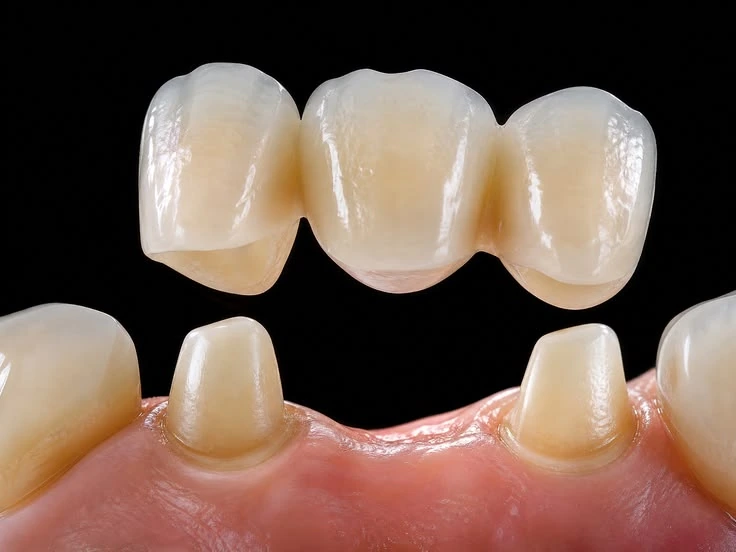
A bridge of three joined teeth made in the laboratory, shown above the two prepared teeth it will be fixed onto

Dental Prostheses

Replacing damaged or missing teeth with fixed restorations.

Dr. Ahmed Fathy Helwan, Cairo, Egypt

About the treatment

A fixed prosthesis is a piece made in the dental laboratory to fit your tooth, then fixed onto the tooth or an implant, so the patient does not take it out, unlike removable prostheses. It differs from a filling, which is built directly on the tooth in the mouth, because a fixed prosthesis is prepared outside the mouth and then fixed in place. This page covers fixed prostheses only.

Educational visuals

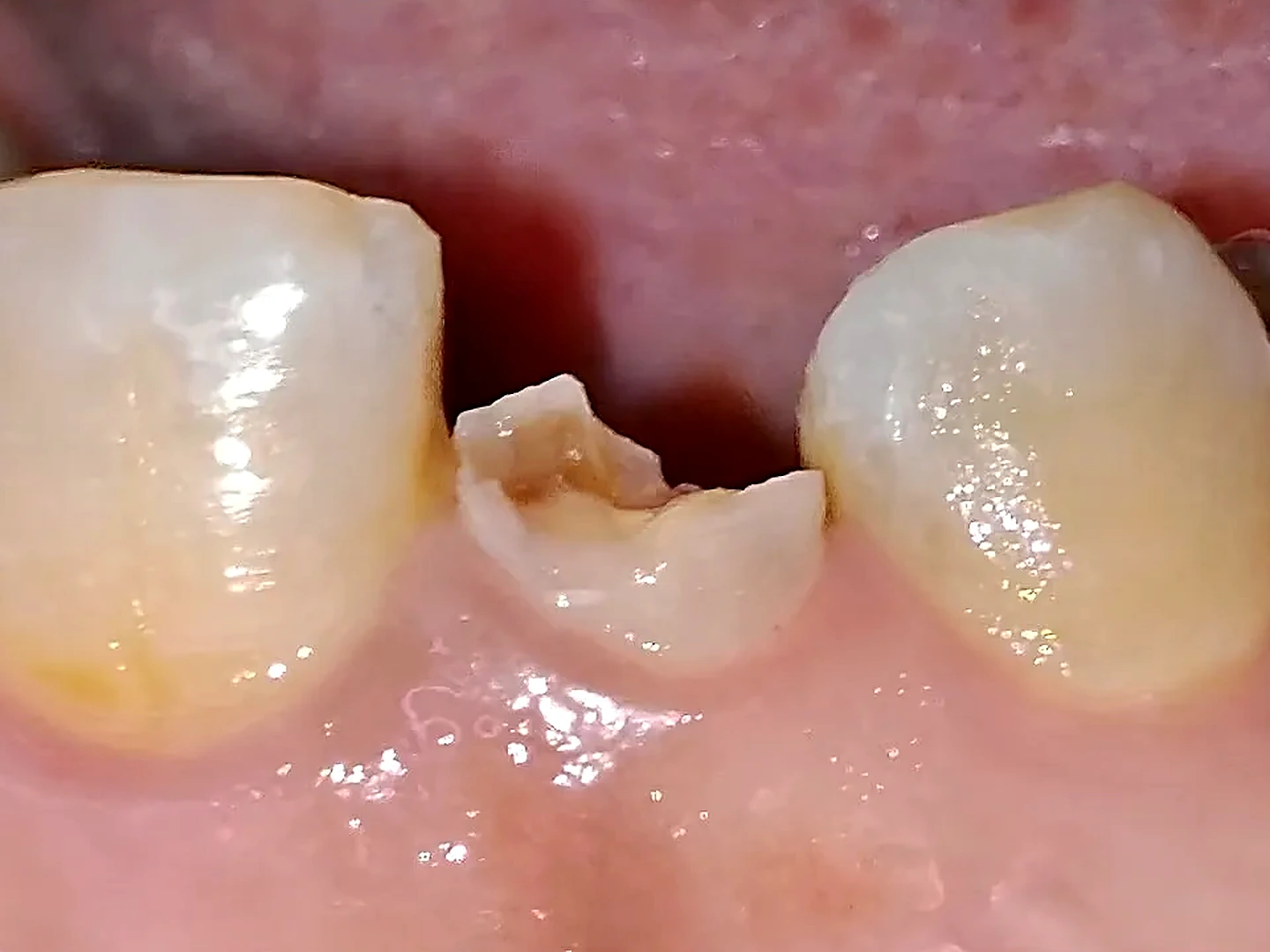
  • A broken front tooth between its two neighbouring teeth, before treatment.
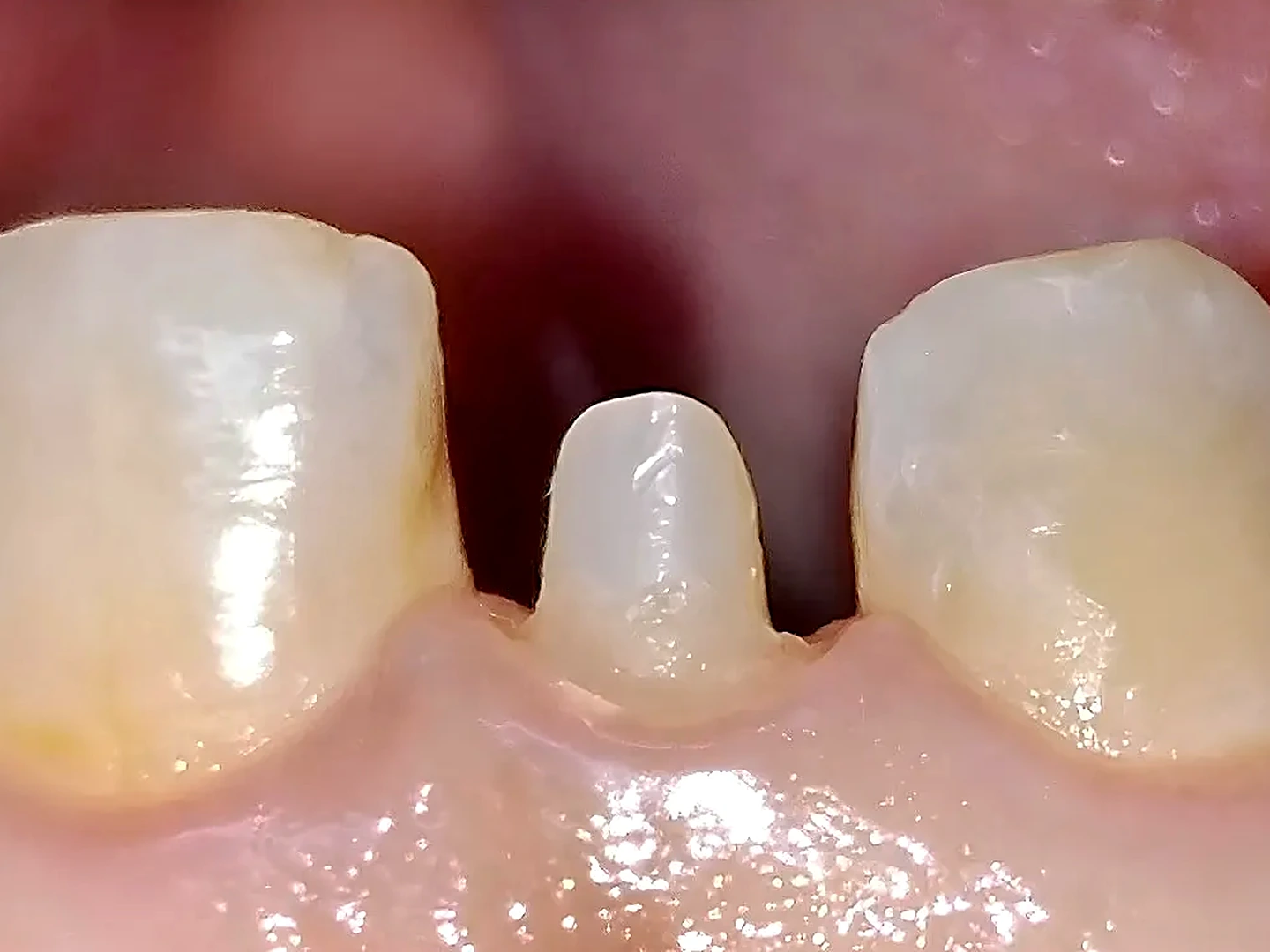
  • The tooth after it was prepared for a crown: a smaller, reduced tooth between its neighbours.
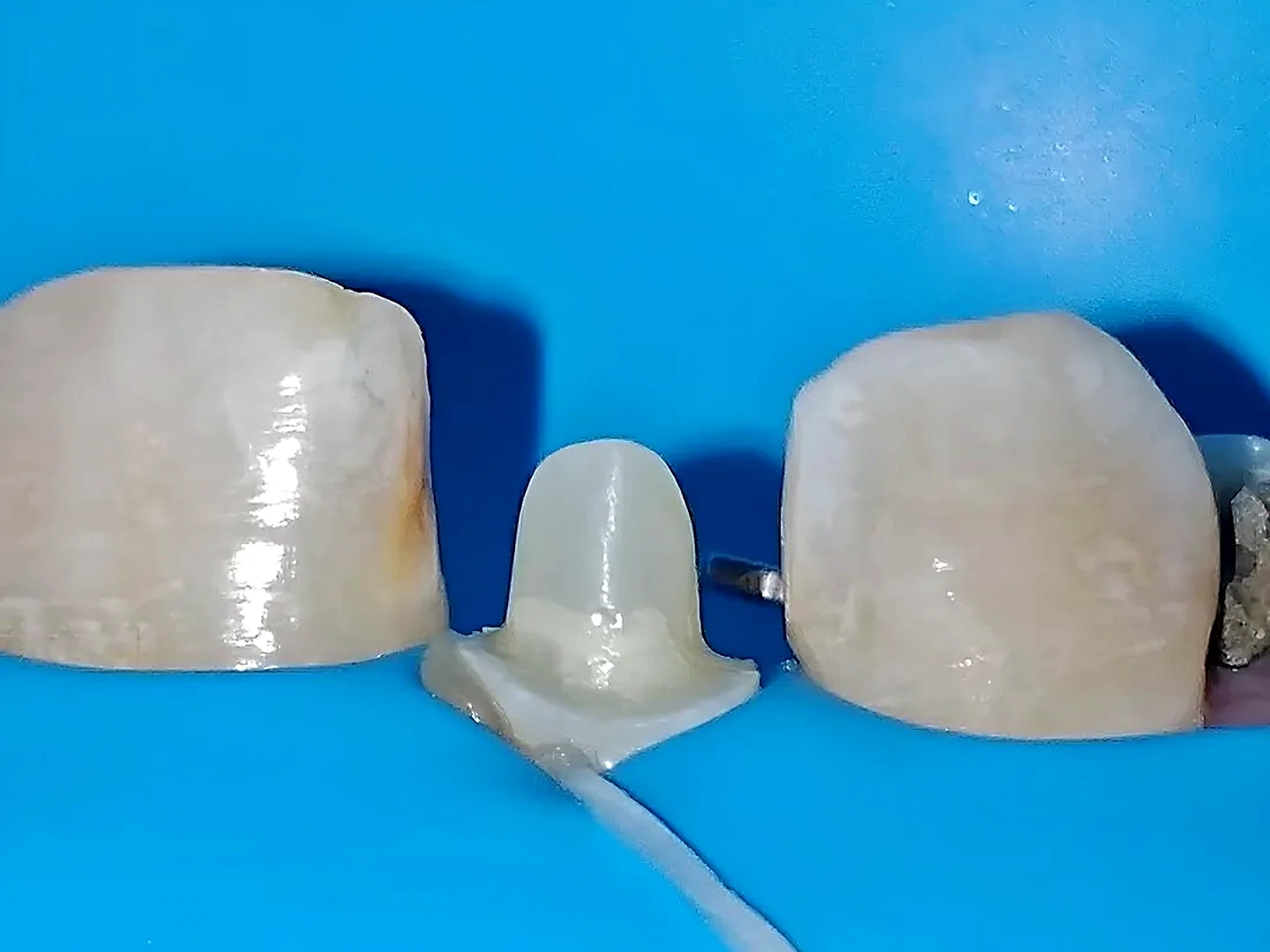
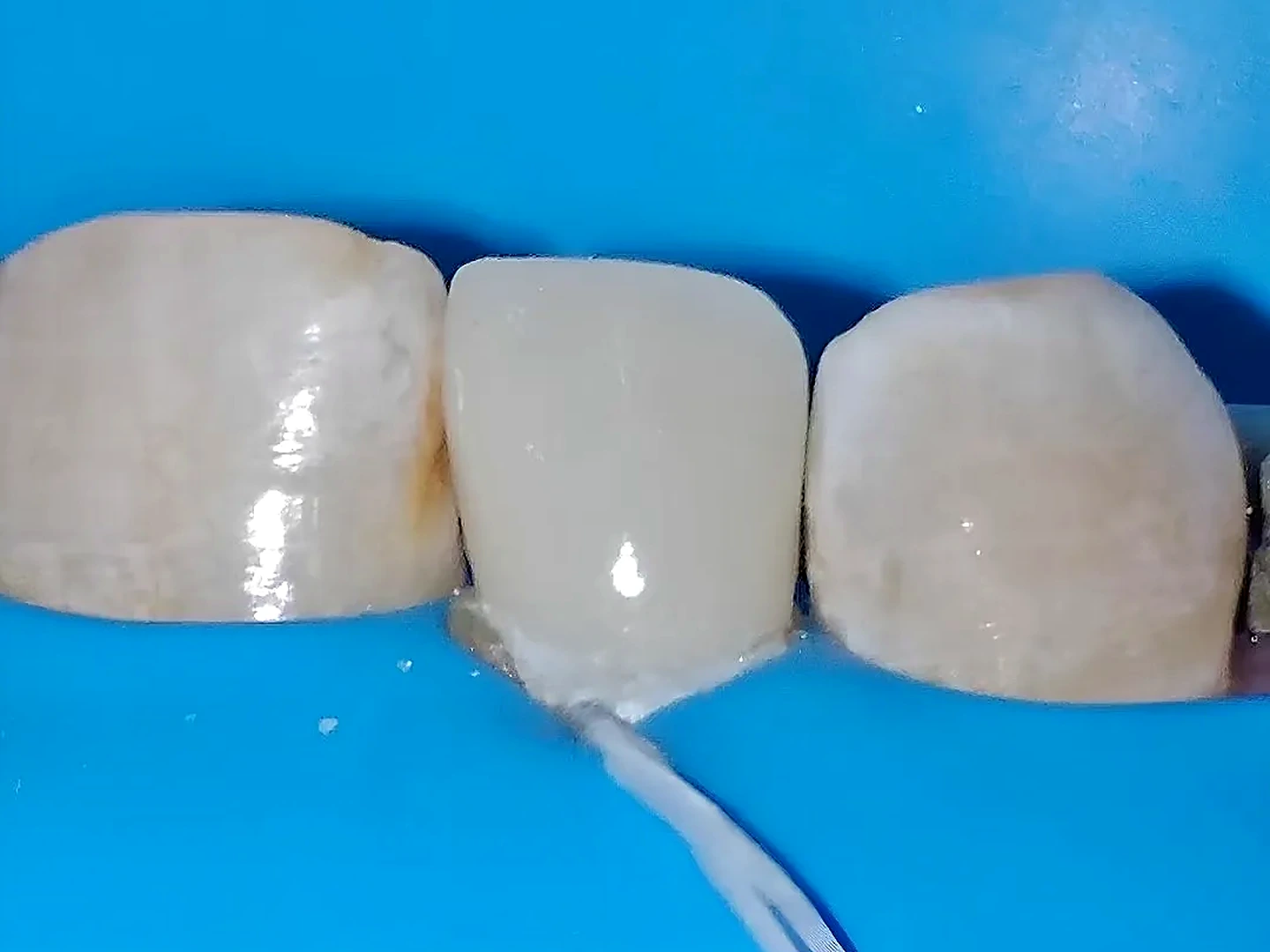
  • Under a rubber dam: the prepared tooth with a thin cord around its base, between its neighbours.
  • Under a rubber dam: the ceramic crown being fitted onto the prepared tooth.
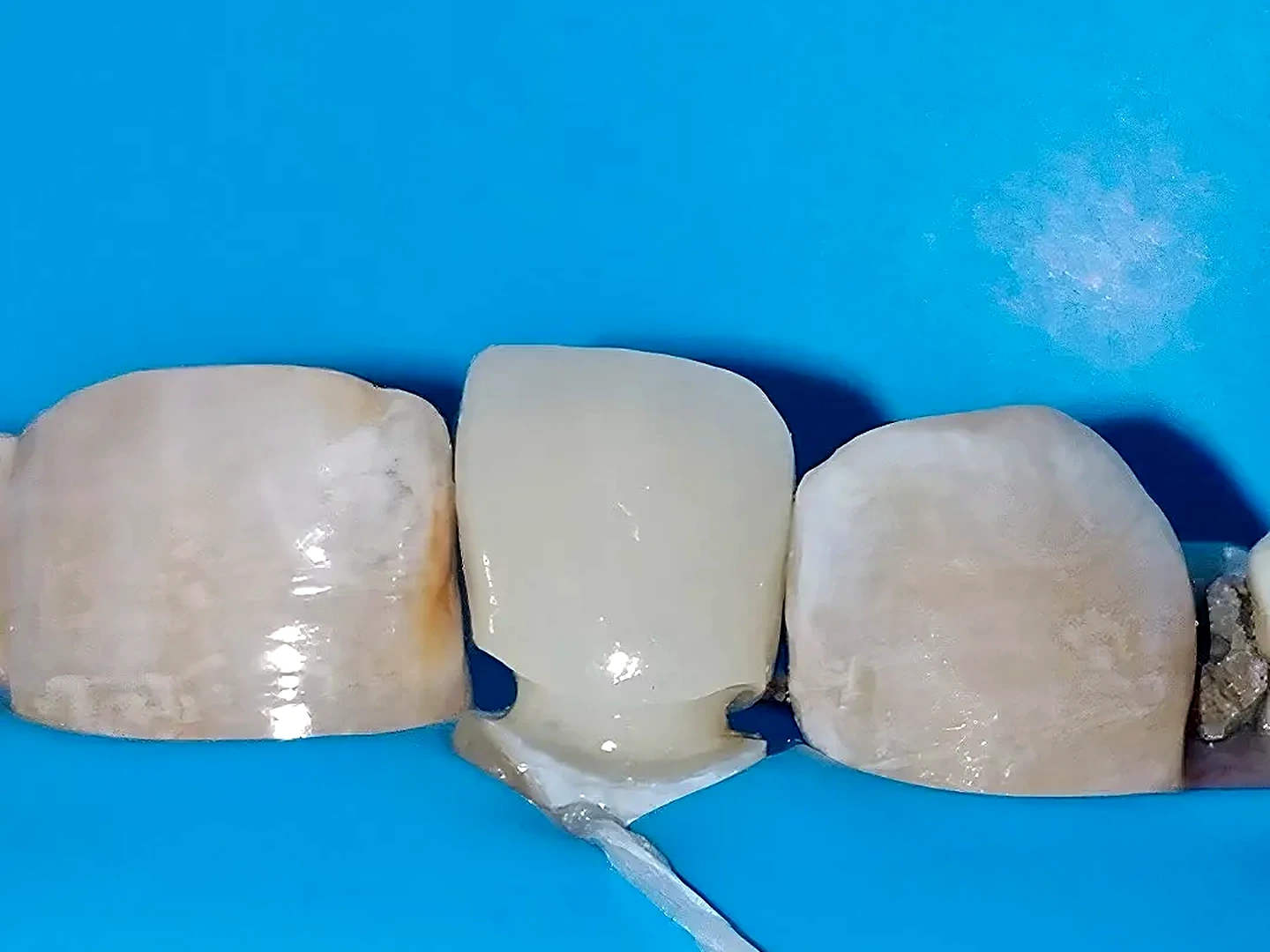
  • Under a rubber dam: the crown seated on the tooth, with a thread at its edge.
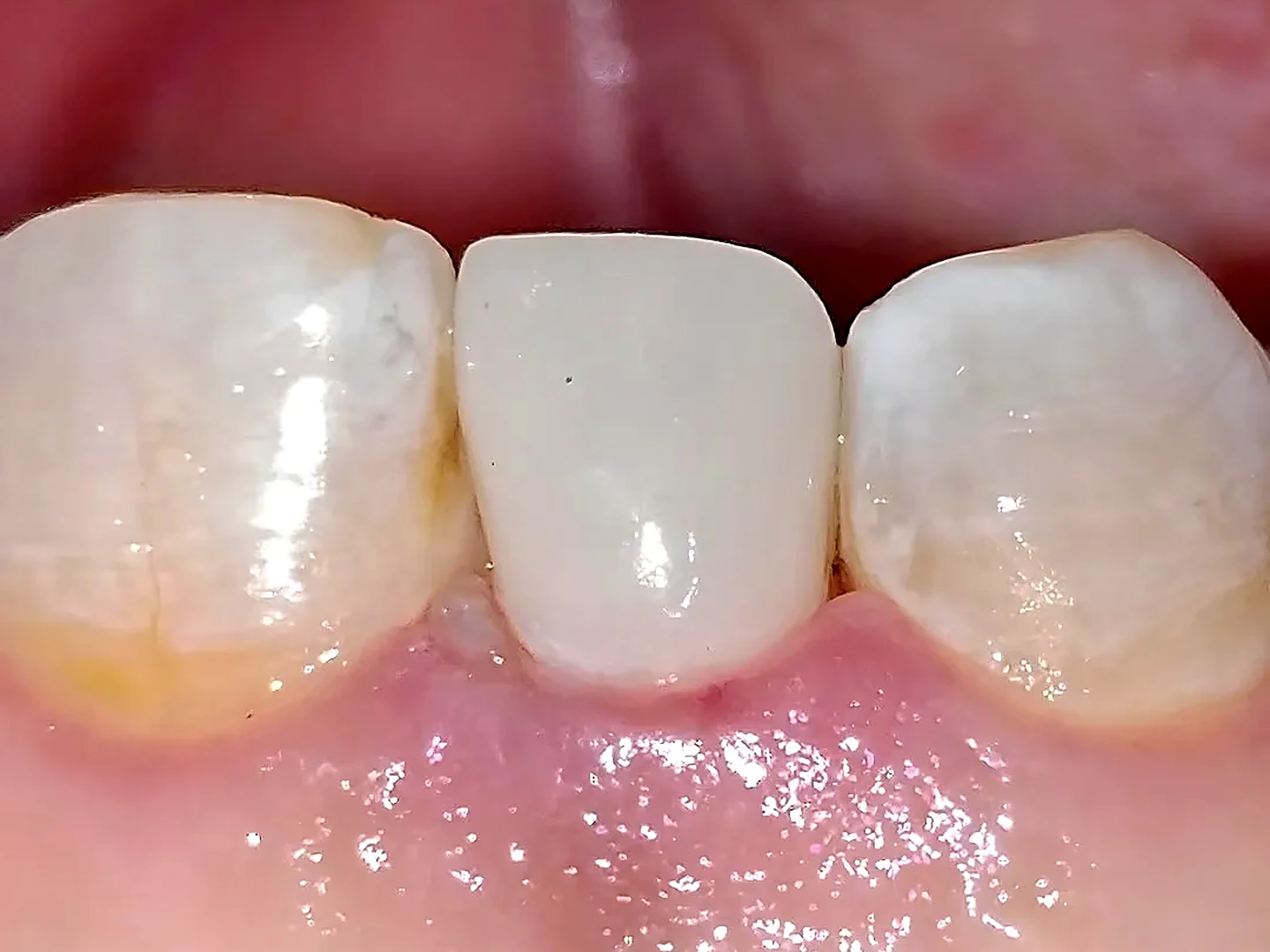
  • The finished crown in place between its neighbouring teeth, with the rubber dam removed.

Before and after

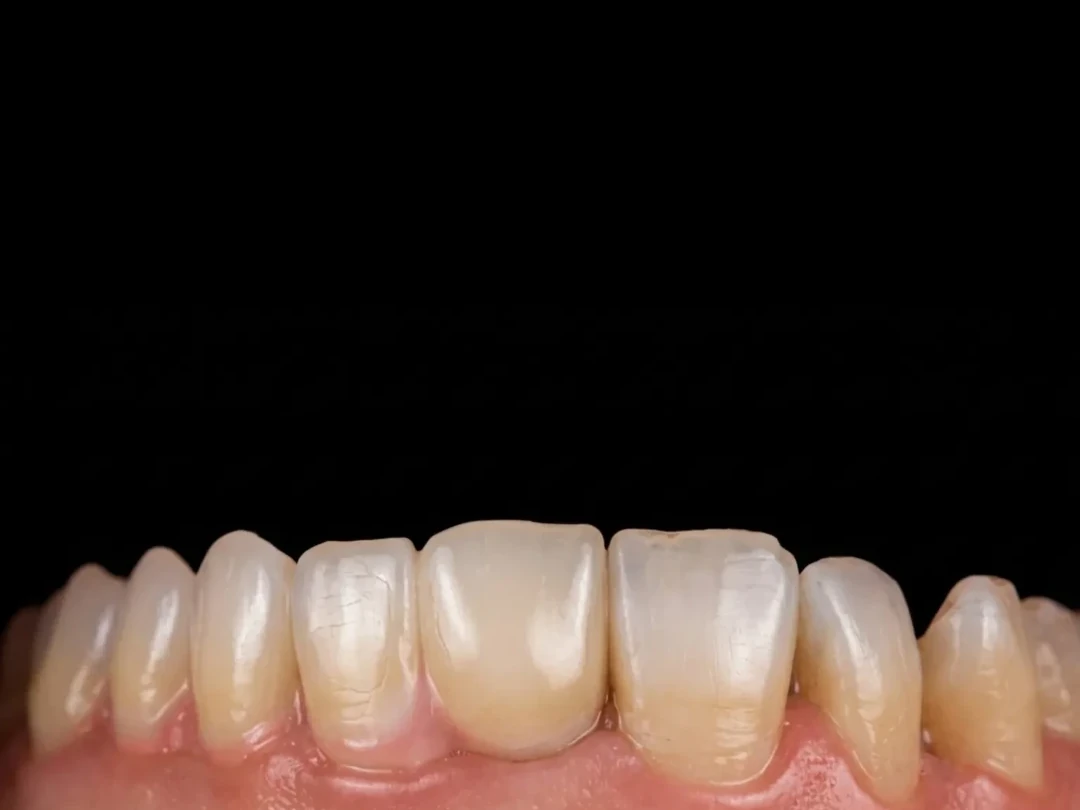
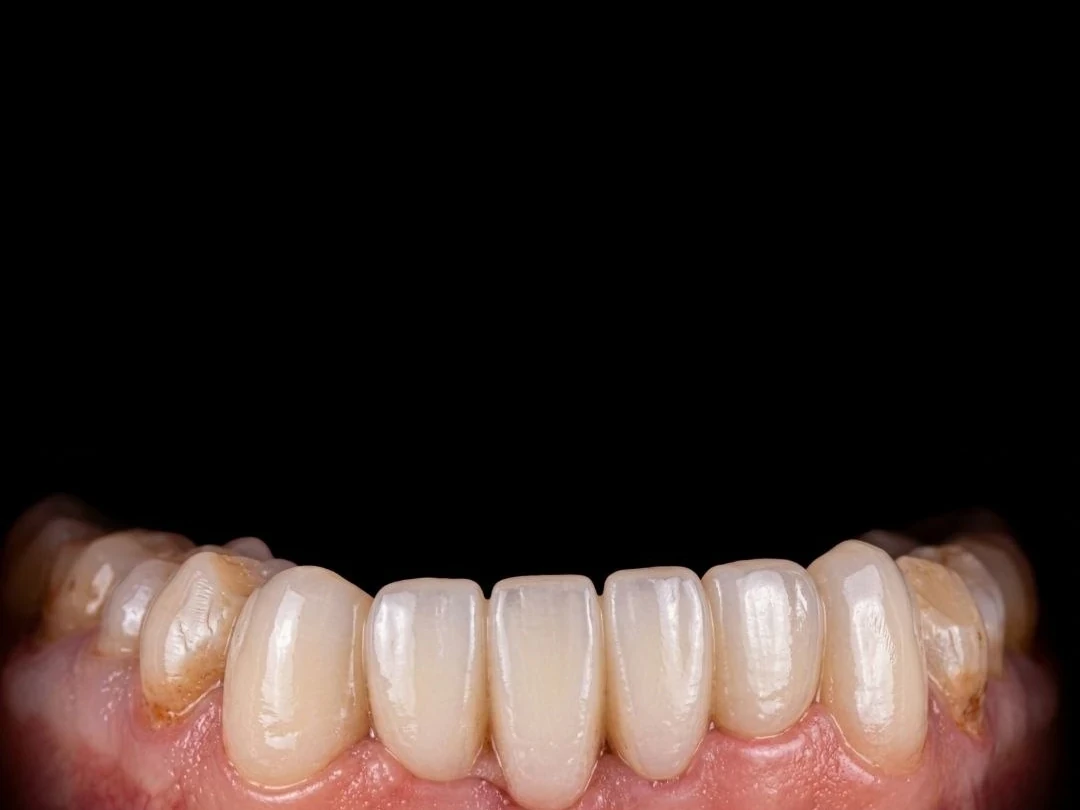
After treatment: the same area, now with a continuous row of teeth and no gap
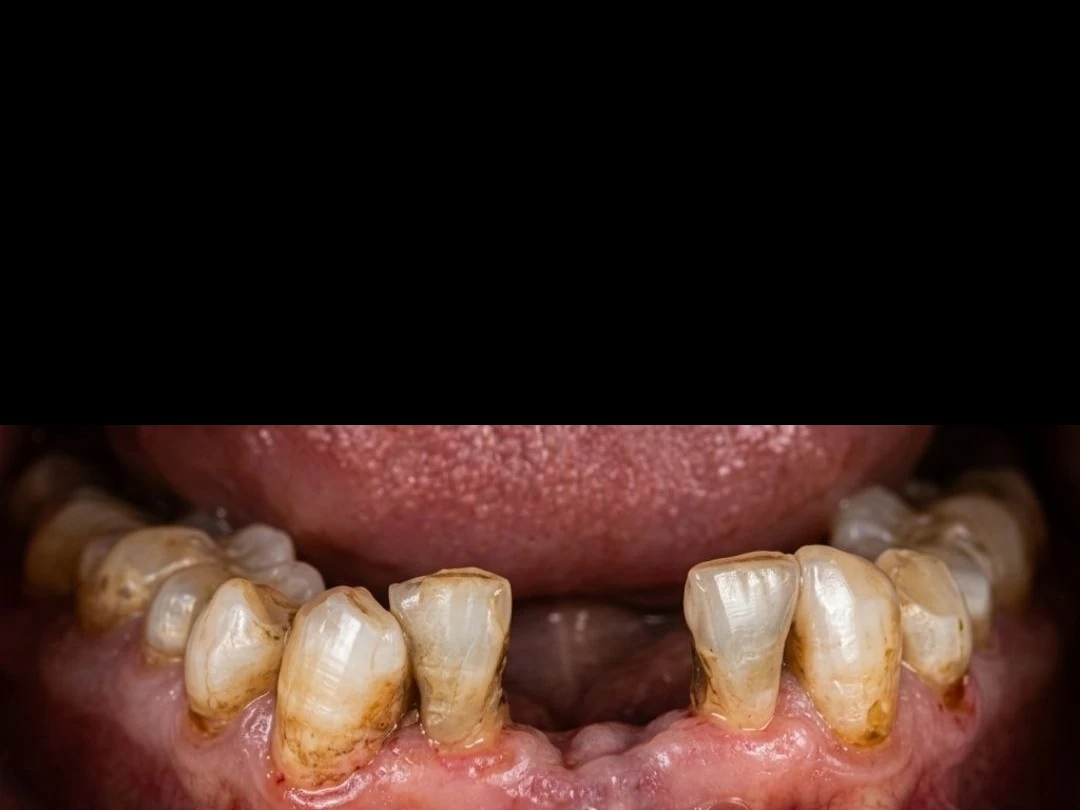
Before treatment: the lower front teeth with a gap on the left side where teeth are missing, and fine cracks on the surface of the remaining front teeth
BeforeAfter
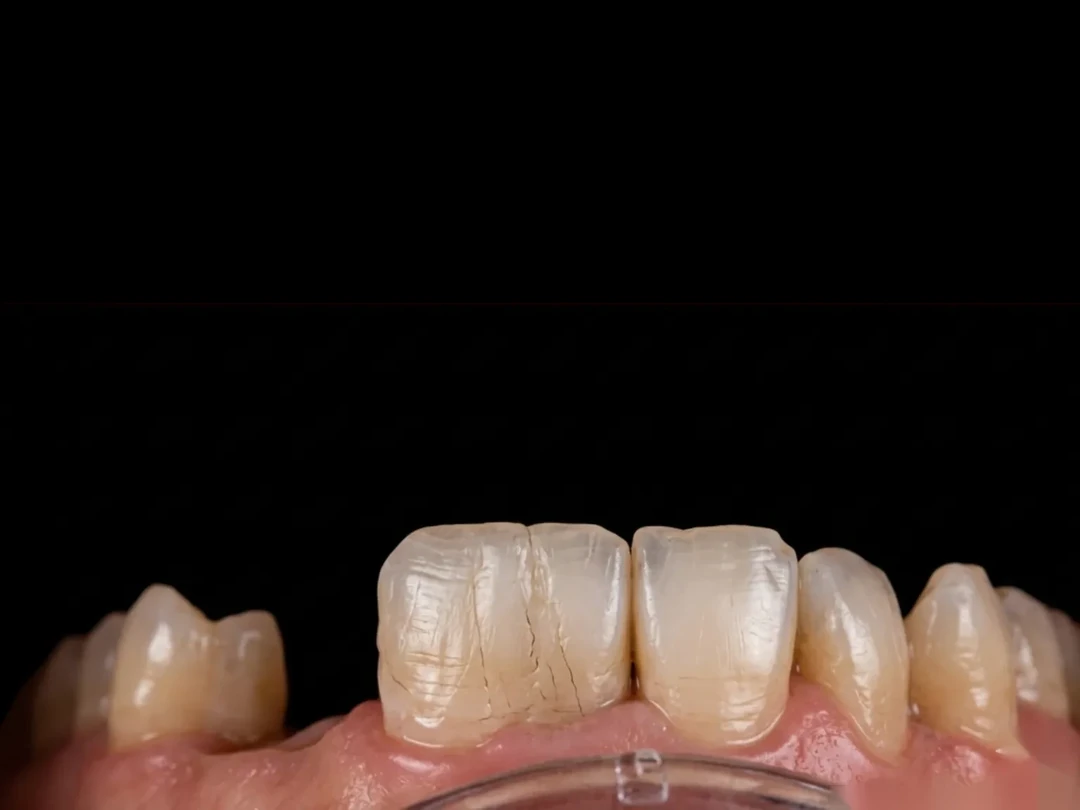
After treatment: the missing front teeth replaced by a row of teeth that fills the gap, in line with the neighbouring teeth
Before treatment: the lower jaw with the front teeth missing, leaving a wide gap between the remaining teeth
BeforeAfter

Some of its types

Crown

A cover around the whole tooth, used when much of the tooth is lost or after root canal treatment.
Bridge

Replaces one or more missing teeth and is supported by the teeth next to the gap or by implants.

Inlay and onlay

A laboratory-made restoration for part of a tooth when the damage is too large for a direct filling.

Indirect veneer (such as E.max)

A thin shell made in the laboratory and fixed onto the front surface of the tooth.

Crown or bridge on an implant

A restoration fixed onto a dental implant.

Materials

Prostheses are made from materials such as zirconia, ceramic (porcelain), and metal covered with ceramic. The dentist chooses the material according to the position of the tooth, the biting force on it and the look required.

The usual stages

  1. 1Examination, and X-rays when needed.
  2. 2Preparing the tooth or the supporting teeth (part of the tooth is removed to make room for the prosthesis).
  3. 3Taking a record of the teeth (an impression or a digital scan).
  4. 4A temporary prosthesis if the case needs one.
  5. 5Making the prosthesis in the laboratory.
  6. 6Trying it in, then fixing it.
  7. 7Follow-up.

Care

Cleaning the teeth and flossing around the prosthesis as the dentist advises, and regular check-ups.

After the examination the dentist decides whether a fixed prosthesis suits you, and which type.

Dr. Ahmed Fathy smiling in a treatment room, wearing a white coat

Your dentist

Dr. Ahmed Fathy

Dr. Ahmed Fathy leads care at Maqam Dental Clinic.

A conversation is the first step.

Contacting us does not by itself book or confirm an appointment.

General information only. A dental assessment is needed for advice about your case.